23 Kasım 2026
açık


Widespread French protests turn violent, heightening political tensions and prompting national debate over policy, security, and democracy.
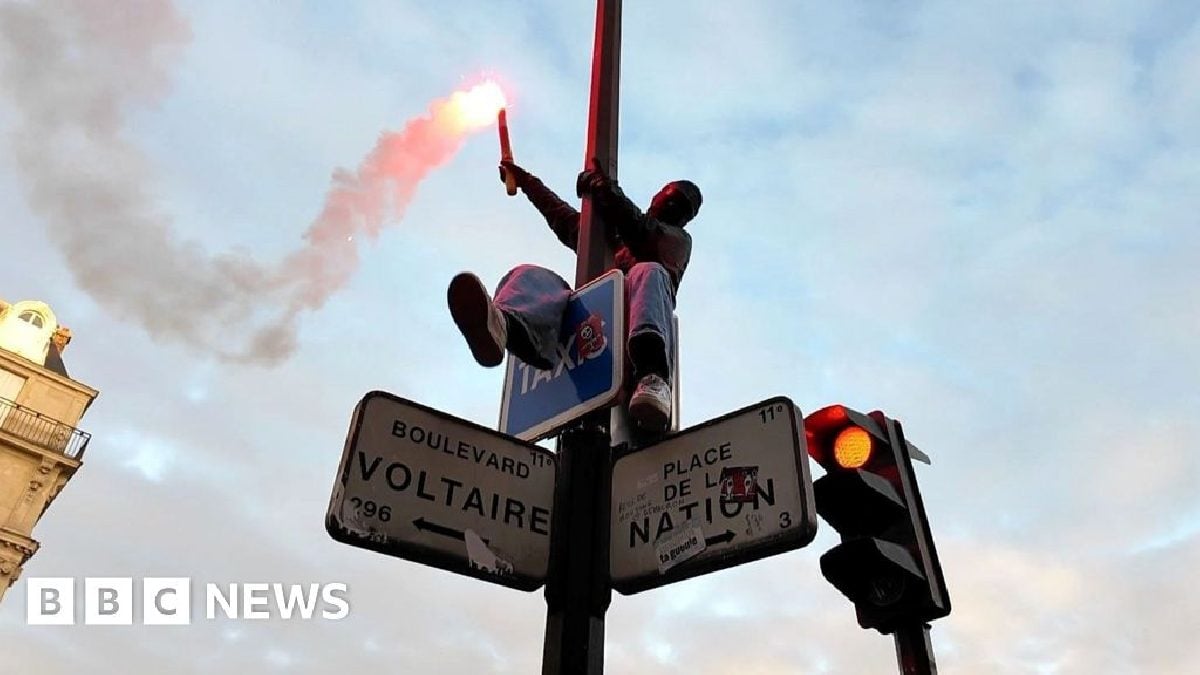
France has experienced successive weekends of protests marked by looting, clashes with police and significant damage to property, with the unrest intensifying public debate ahead of upcoming elections.
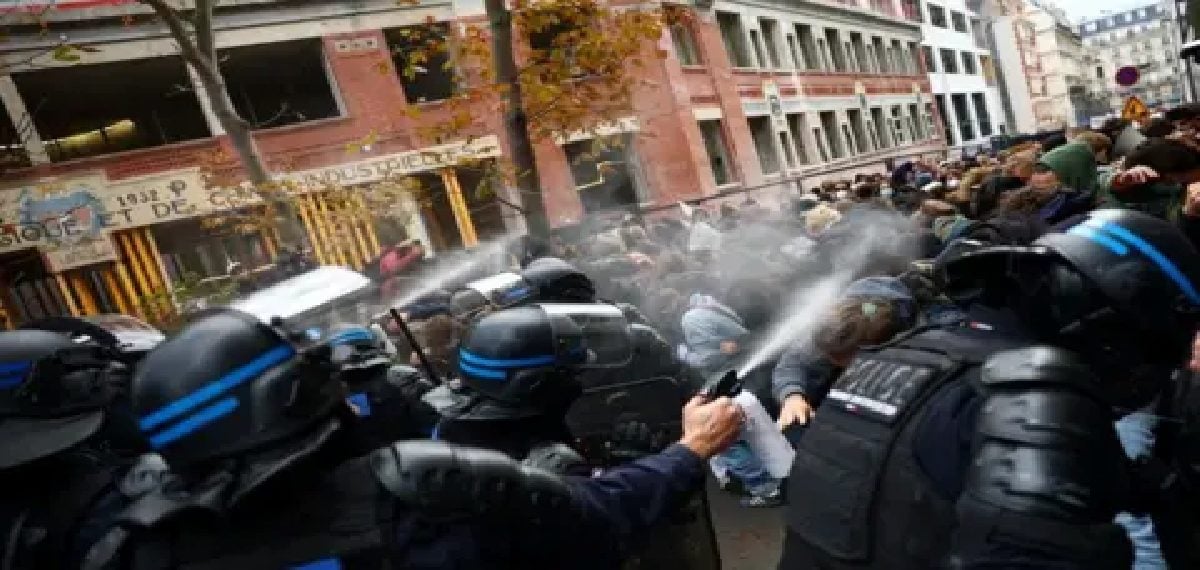
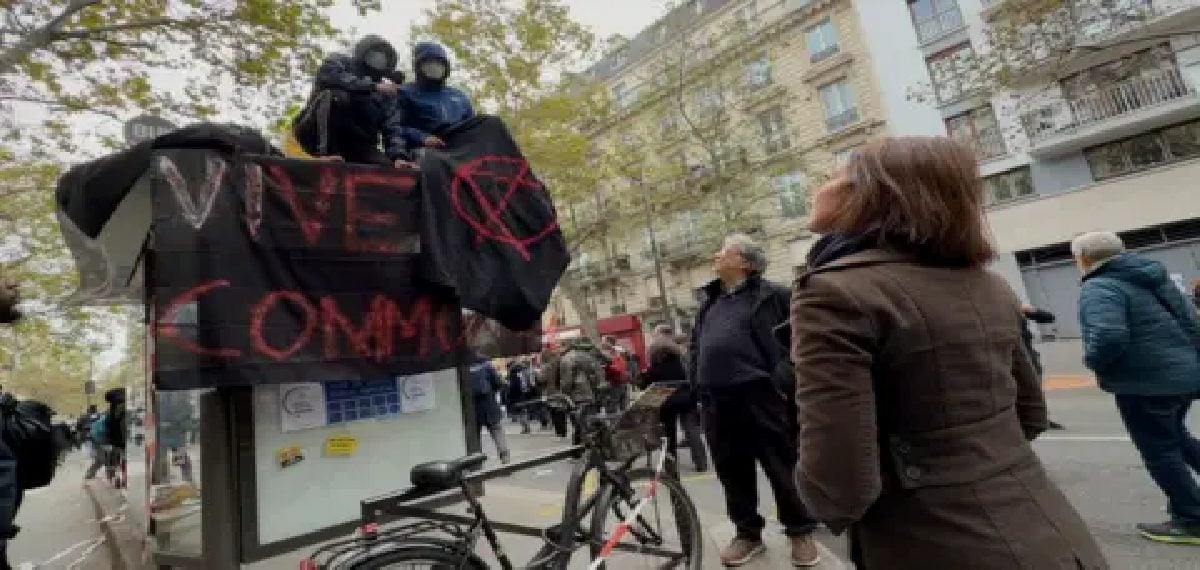
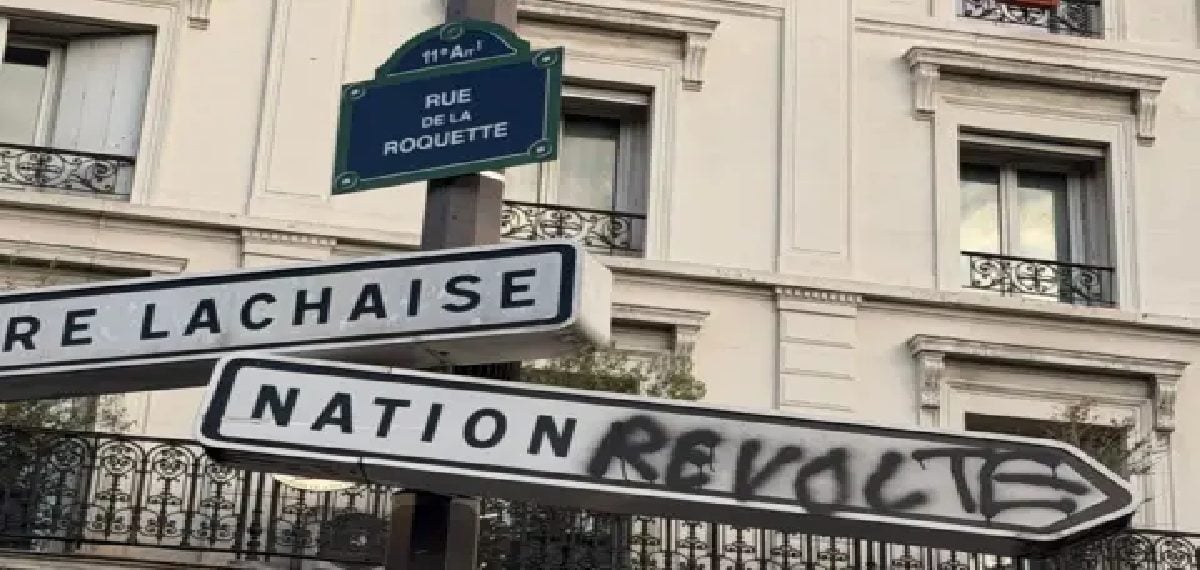
Demonstrations began as student-led protests over soaring living costs and alleged police brutality and evolved into broader unrest involving masked groups dressing in black, commonly identified as the Black Block. Protesters and masked rioters appeared in city streets and side lanes as daytime marches wound down and riot police deployed batons, stun grenades and tear gas.
Authorities report heavy policing of demonstrations and attempts to tightly manage gatherings. Protesters described police tactics as heavy handed while some young demonstrators defended the use of violence as a means to be heard. Several accounts describe improvised weapons such as paint-filled eggshells and stones used against officers.
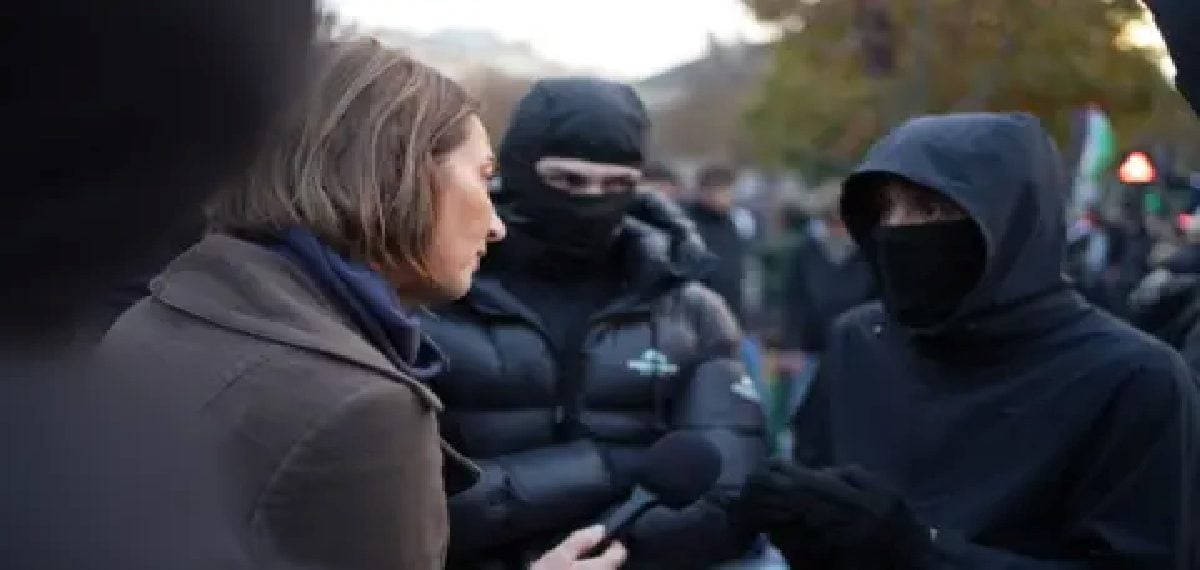
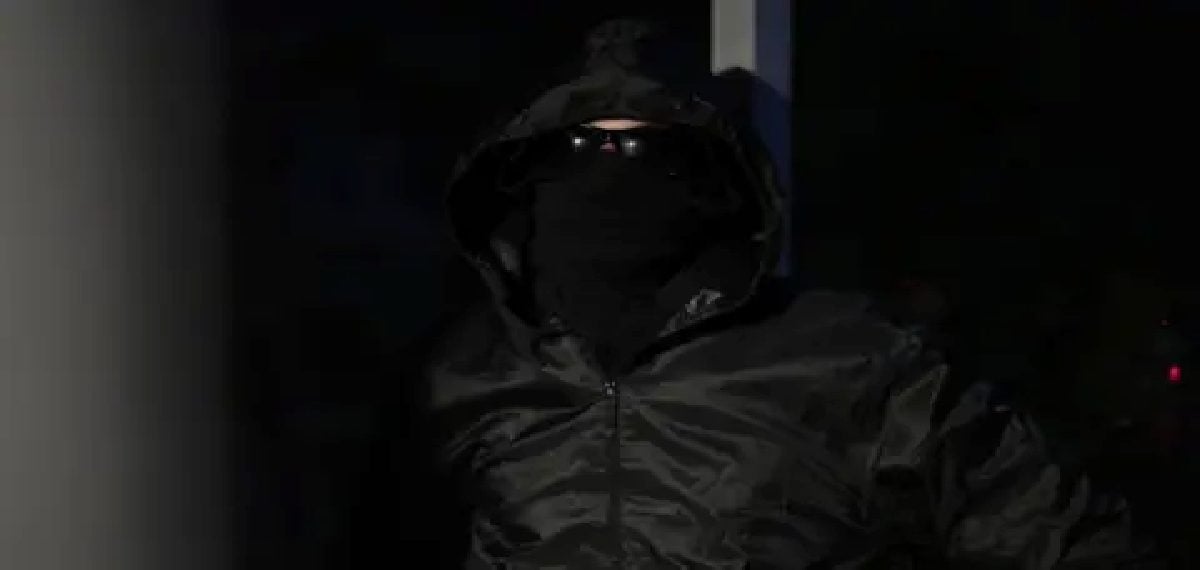
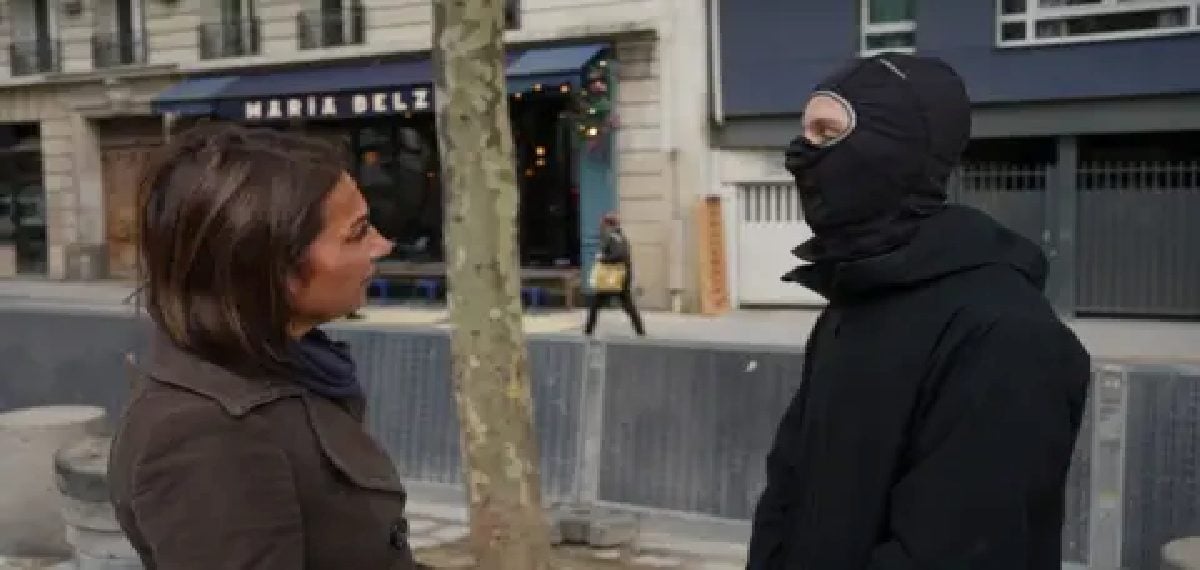
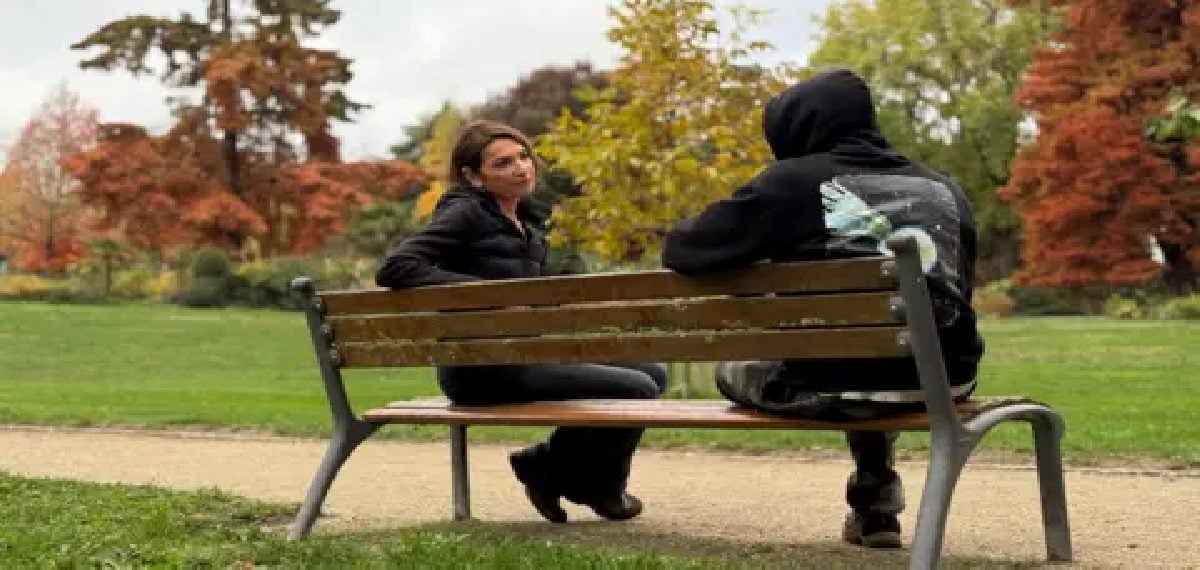
Journalistic encounters with participants revealed varied motivations. Some young people from disadvantaged banlieues framed their actions as expressions of anger over education and economic inequality rather than as directions from organized political groups. Hard-left activists and Antifa sympathizers were present at protests, often insisting anonymously that violent actions were not centrally organised and that their aim was to challenge capitalist structures.
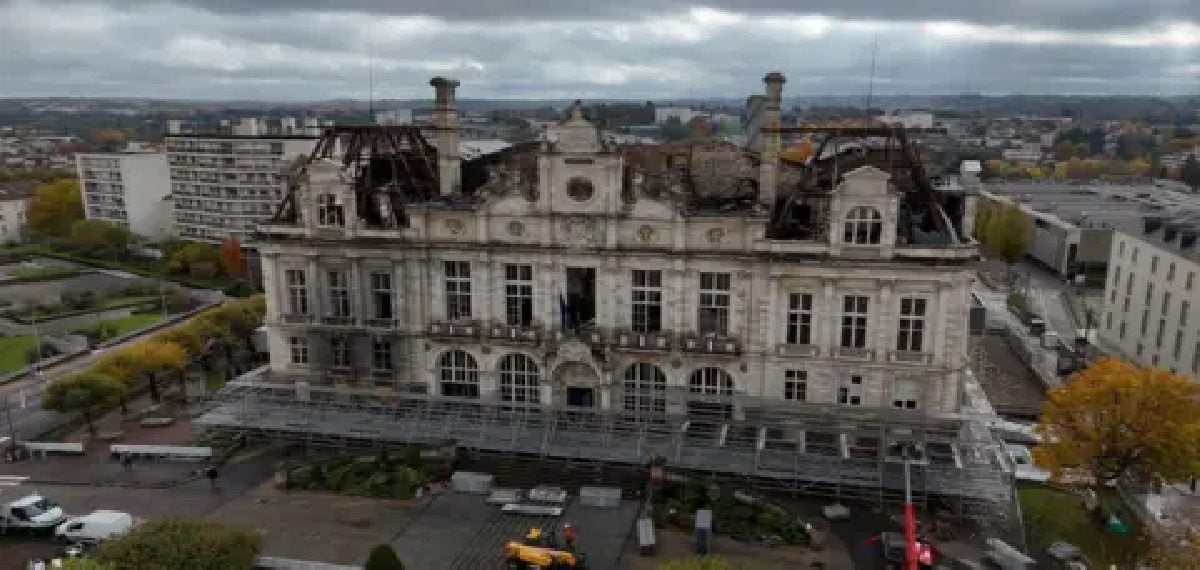
French intelligence estimated a figure of around 5,000 “ultra-left” activists in the country. Interviewed activists rejected claims of a unified plot to topple the Republic, characterising the movement as disparate individuals united by rage. Other elements, including eco-activists and alleged saboteurs, were linked in individual cases to more severe incidents such as the Limoges Town Hall fire, which became a potent symbol of the unrest.
Authorities reported substantial injuries among police, and insurers estimated significant financial damage on peak days of rioting. Security officials and a retired police commissioner expressed that, despite dangerous rhetoric from some activists, the radical left lacked the capacity to pose an existential threat to the state. Observers highlighted an increased risk of clashes between far-left and far-right groups in the run-up to the presidential election, with far-right vigilante presences noted at some protests.
The protests represent a volatile convergence of social grievance and political polarization that complicates public order and the electoral environment. Disparate actors ranging from youthful local rioters to seasoned ultra-left militants and opportunistic looters have contributed to a pattern of unrest that strains policing resources and fuels public concern. Claims from authorities about organised threats among the ultra-left contrast with accounts from activists who describe a decentralized, rage-driven dynamic. The prominence of violent episodes and symbolic attacks on public buildings has amplified political rhetoric as parties position themselves ahead of national elections, increasing the likelihood of further confrontations and a charged campaign atmosphere.