01 Eylül 2026
açık


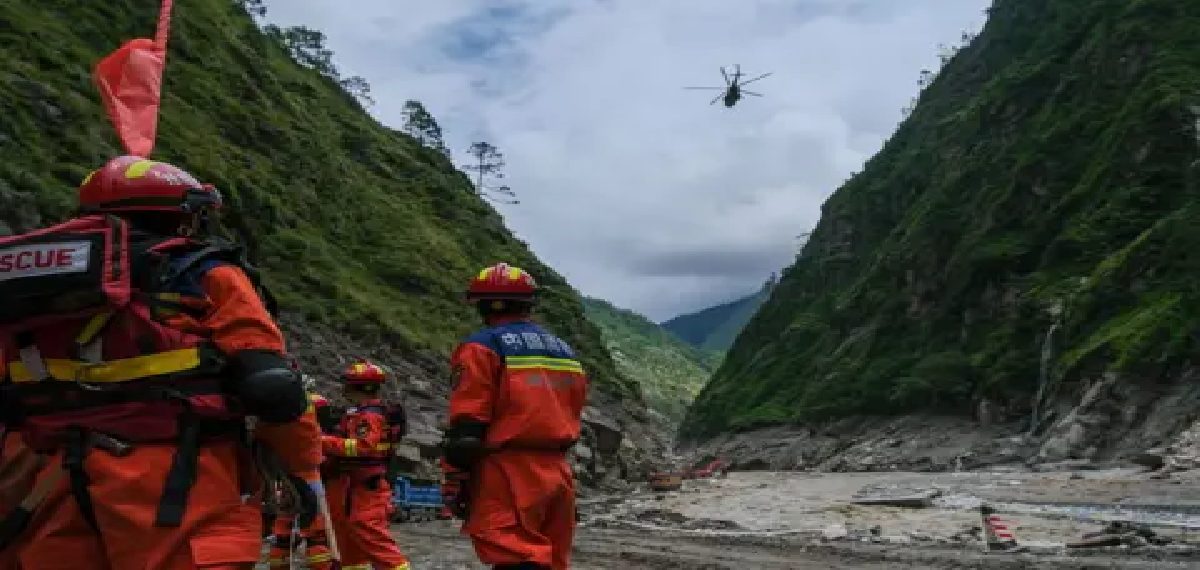
Sudden Gyirong mudslide devastates Nepal-China border crossing, causing major damage and disrupting transit; authorities respond to assess losses and aid survivors.
A powerful mudslide hit the Gyirong border crossing between China and Nepal on 26 August, sweeping away the Friendship Bridge, border facilities and nearby settlements and leaving scores missing, Nepalese and Indian authorities and local officials said.
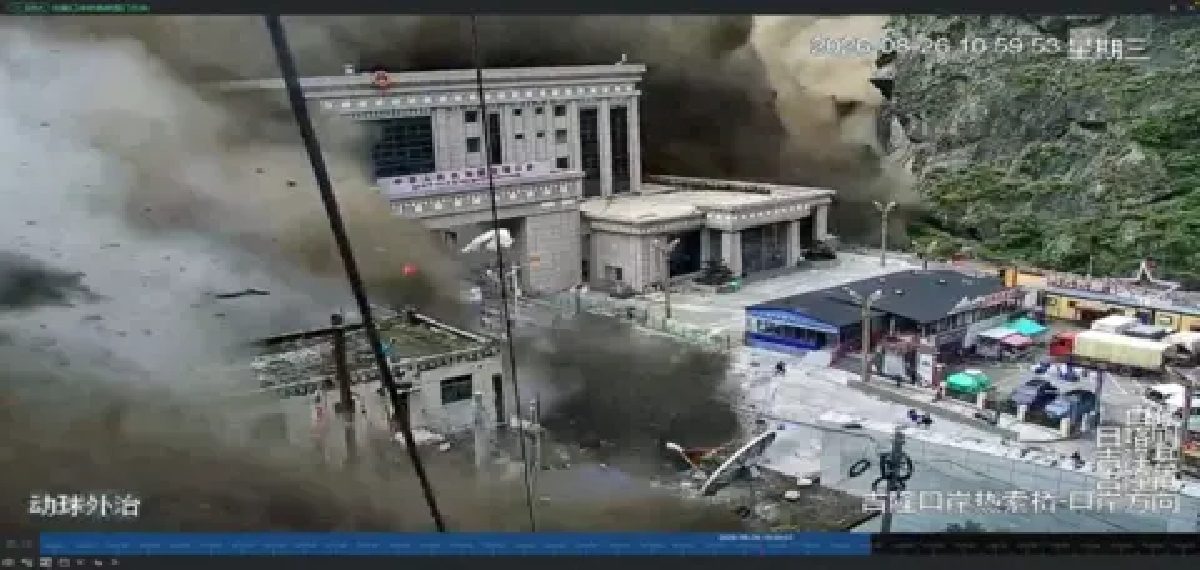
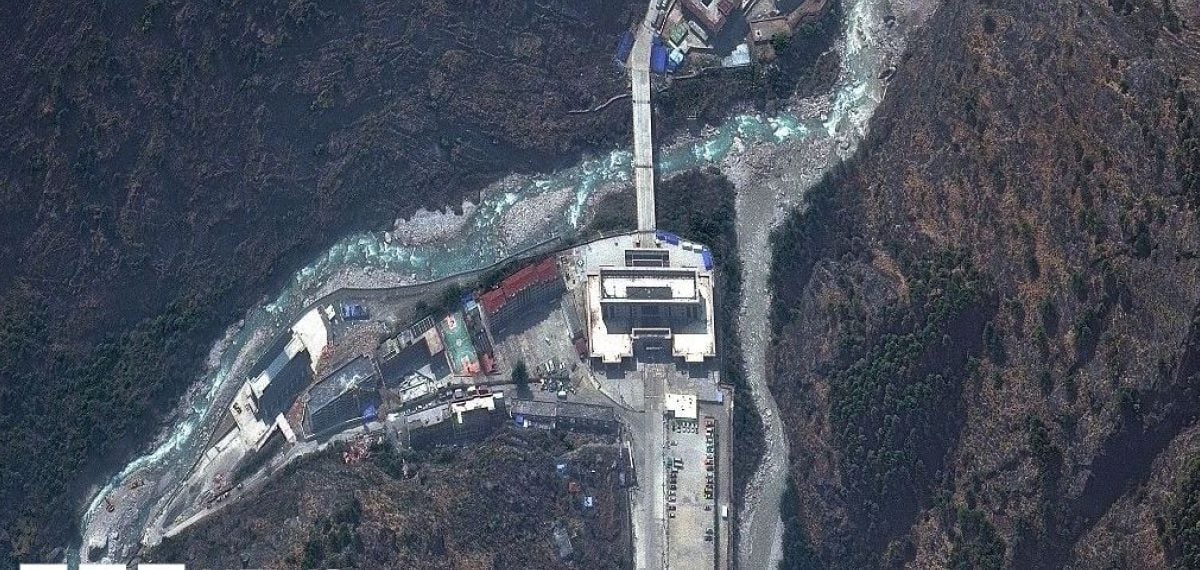
CCTV footage timestamped 10:59:53 local time shows a dark surge of water, mud, boulders, ice and rock racing down the valley toward the Gyirong complex on the Chinese side. Satellite images and videos captured before and after the event show extensive destruction with many buildings on the valley floor obliterated.
Nepal’s Rasuwagadhi crossing on the Nepal side, including the Friendship Bridge, immigration and customs facilities and surrounding Timure settlement, was also heavily damaged. Nepal’s Department of Immigration records show the last recorded transaction at 08:35:03 local time, under 10 minutes before the torrent appears in the Gyirong footage.
Officials reported that four immigration employees went missing; one body was later recovered downstream while the female official who logged the final transactions remains missing. Electronic immigration records indicate 89 Nepali and foreign nationals cleared to leave Nepal that morning, including 32 Indians, 12 Chinese and nine Americans, with other nationalities also recorded.
Local survivor Tika Ram Pokharel, a senior immigration assistant at Rasuwagadhi who was in Kathmandu the day of the disaster, said the area had been unusually crowded that morning, with some 300 to 400 people waiting to cross and many more gathered in shops, hotels and parking areas along the 2 km stretch between the immigration office at Ghatte Khola Bazar and the border bridge.
Seismic instruments recorded mountain movement at 08:37, about two minutes after the final immigration transaction; researchers attributed the signal to a partial glacier collapse that triggered the flood. Chinese authorities said the mudslide reached the border in roughly seven minutes from its origin.
CCTV and eyewitness accounts indicate travellers, pilgrims and transport workers were present both sides of the crossing when the surge arrived. Among those unaccounted for were a group of 77 pilgrims associated with the Isha Foundation and three staff members returning from Mount Kailash, whose status remained unknown in the immediate aftermath.
The Rasuwagadhi immigration office had operated from Ghatte Khola Bazar, roughly 1.5 km north of Timure, with the bridge about 2 km further on. Pokharel noted that the office stood about 100 metres above the river but that floodwaters appeared to surge much higher during the event. He estimated many friends and local residents were missing and suggested the local toll could exceed official figures, though that estimate was not independently verified.
Gyirong and Rasuwagadhi had been important trade and travel links between Nepal and China, serving pilgrims, tourists, truck drivers and traders. Chinese border authorities recorded more than 100,000 people passing through Gyirong by June, while Nepali records showed 53,742 arrivals and departures at Rasuwagadhi in the year to mid-July, figures based on different reporting systems and periods.
The available accounts indicate a rapid glacier collapse and ensuing debris flow that reached the border crossing within minutes, destroying infrastructure on both sides and leaving border staff, travellers and local residents among the missing. Official immigration logs provide partial counts of those who cleared Nepali exit controls that morning, but the busy waiting areas and distance to Chinese facilities complicate establishing exact locations of many individuals when the mudslide struck.