21 Ekim 2026
açık


Examining Kim Jong Un’s health rumors, photo evidence, and how uncertainty shapes politics in North Korea and beyond.
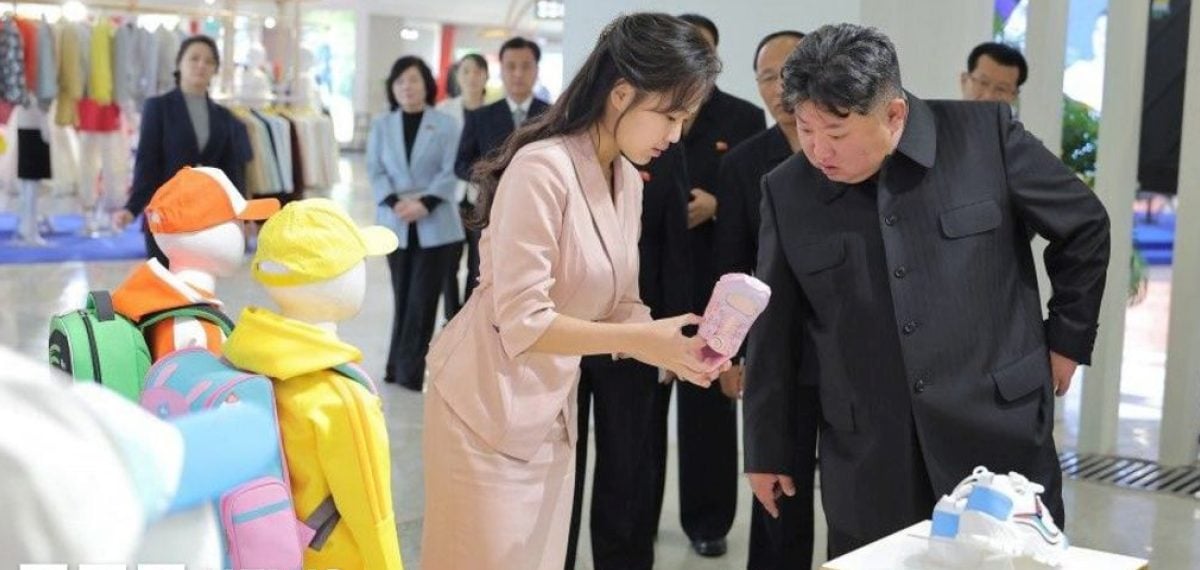
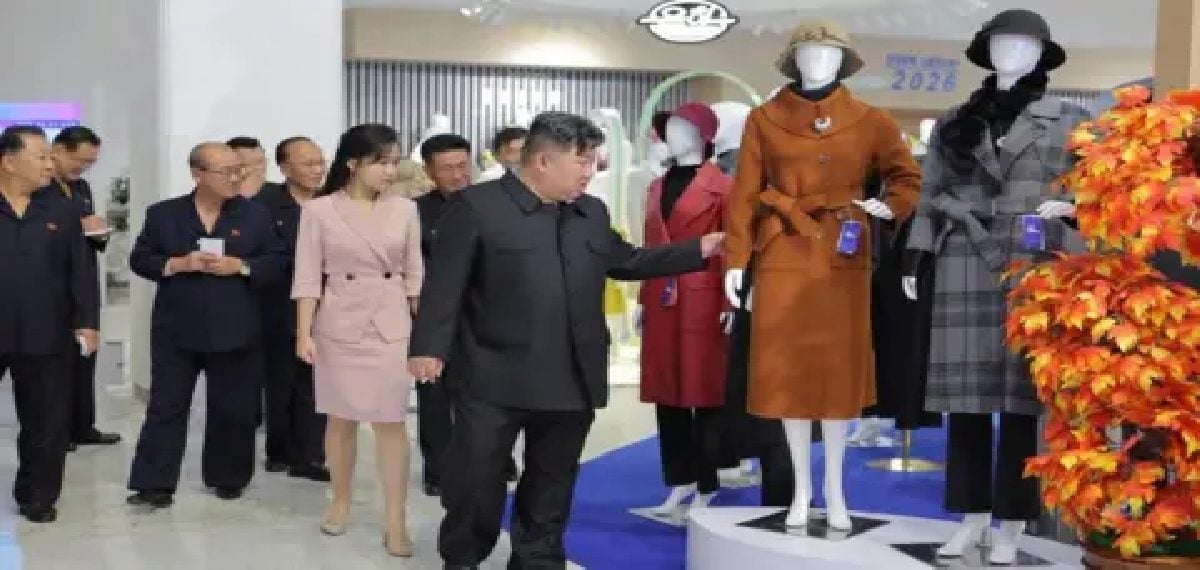
The North Korean leader has recently appeared in state-controlled media looking healthy, despite circulating claims that he had suffered a fatal brain haemorrhage. State newspaper Rodong Sinmun published photographs showing him at a clothing and footwear exhibition accompanied by his daughter and senior officials.
These images arrived shortly after a US-based Chinese dissident asserted—without verifiable evidence—that Kim had been flown to Beijing in a coma and later died. Such sensational assertions are not new concerning North Korea and frequently emerge in the information vacuum surrounding the regime.
Photographs can contradict dramatic rumours. In the released pictures, Kim Jong Un is seen examining displays with Kim Ju Ae and his usual entourage. While independent verification of when the photos were taken is difficult, other observable signs that typically accompany a leader’s sudden incapacitation have not appeared.
Regional indicators—such as tightened Chinese border security, increased activity around North Korean diplomatic posts, or a surge of cross-border intelligence from defectors—would likely accompany a genuine collapse of leadership. To date, South Korean agencies and Yonhap News report no corroborating evidence.
Past episodes demonstrate how easily unverified claims can spread. In 2020 a prominent defector insisted Kim had died after surgery; that claim unraveled when he subsequently surfaced in public. These recurring false alarms reflect both genuine opacity inside North Korea and the appetite for dramatic developments among observers.
The question of succession amplifies every rumour. The Kim dynasty has ruled for three generations, but the path forward after Kim Jong Un is less certain than for his predecessors. Historically, successions were long prepared—Kim Il Sung groomed Kim Jong Il over decades—whereas Kim Jong Un’s elevation was relatively swift and followed rapid consolidation of power.
Recent analyses suggest the regime may be positioning Kim’s daughter as a potential successor. She has appeared increasingly at public events, yet she is believed to be only in her early teens and has not been formally named heir. Her youth and lack of precedent for female leadership in North Korea would make any transfer of authority delicate and potentially contested.
Rumours persist in part because they are not implausible. Kim is reported to be overweight and a heavy smoker—factors that raise cardiovascular and stroke risk—and heart disease has been noted in his family history. A sudden health crisis would pose major questions about control of North Korea’s military and nuclear assets, the potential for internal power struggles, and regional stability.
Neighbouring states and global powers monitor the situation closely because any abrupt leadership disruption could provoke unpredictable international consequences: aggressive moves by hardliners, refugee flows toward China, or shifts in deterrence dynamics involving US forces stationed in South Korea.
Reliable information about North Korea is scarce. Only a small inner circle has routine access to the leader, and even intelligence services face severe limits on verification. The regime itself may foster ambiguity, leaking selective or misleading information to keep external observers uncertain about internal realities.
Given these constraints, it is unlikely that an individual outside official channels—such as the dissident who made the claim—would possess definitive knowledge of a secretive transfer to a foreign hospital or a hidden death. The motive for such claims can range from seeking attention to attempting to embarrass geopolitical partners.
Until multiple, independent sources corroborate any extraordinary report, scepticism is warranted. The combination of a closed political system, high international stakes, and an appetite for dramatic narratives makes North Korea a persistent source of rumours—and a challenge for those trying to separate fact from speculation.