16 Eylül 2026
parçalı bulutlu


Antonelli’s ascent and F1 rule fallout examined as teams regroup for the summer pause, assessing form, strategy and championship implications.
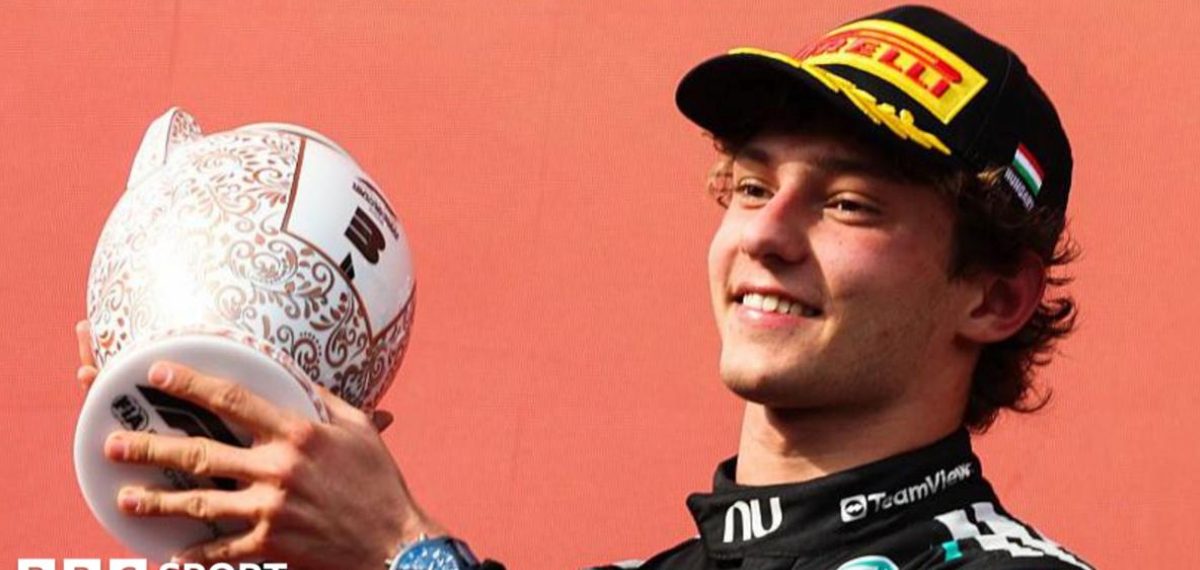
Formula 1 teams enter their summer break after 11 races that have highlighted a breakthrough driver, contested technical rules and disruption to the calendar, with the number of remaining races still uncertain, according to team and driver reports.
Kimi Antonelli has emerged as a genuine title contender after a marked step in performance this season, extracting more from the Mercedes than his team-mate George Russell and converting pace into results across the opening rounds.
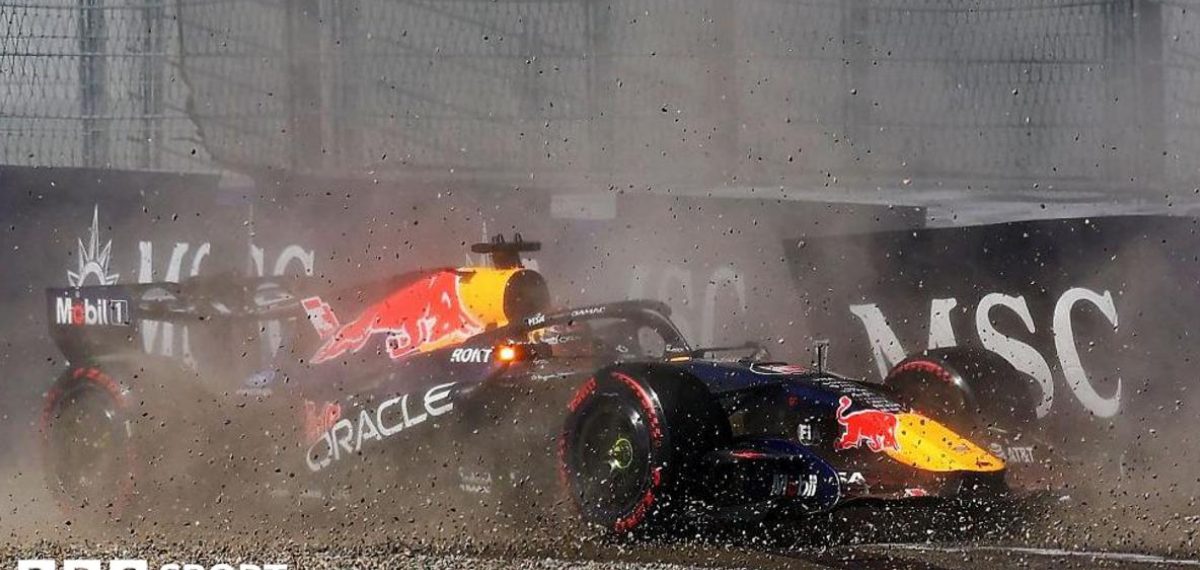
The 2026 regulations brought the biggest change to F1 in years: revised aerodynamics and a rebalanced hybrid power split. While chassis changes have been broadly welcomed, the new engine architecture has caused energy starvation on track, leaving cars with limited power when batteries deplete and producing so-called “yo-yo racing” where position changes reflect transient power availability rather than sustained performance.
Drivers including Max Verstappen and Fernando Alonso have criticised the package for reducing the quality of several classic corners and creating artificial overtaking. The FIA has already introduced early tweaks and announced a gradual engine split change toward 60-40 by 2028 to mitigate the problem.
Lewis Hamilton has regained form after a difficult 2025, securing his first Ferrari win in Barcelona and moving back into contention in the championship, while Ferrari’s intra-team fight with Charles Leclerc is now closer than last season.
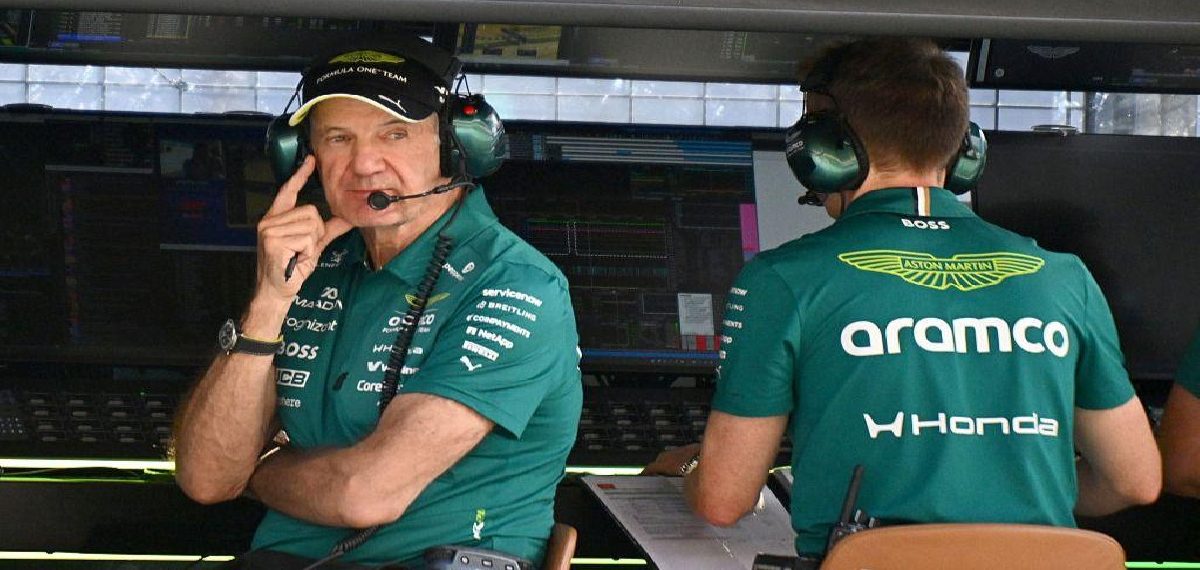
Aston Martin endured a poor start despite high expectations from personnel and funding, but a significant upgrade before the break improved downforce and reduced weight, yielding a step forward and renewed optimism ahead of Honda’s new power unit debut at the Dutch Grand Prix.
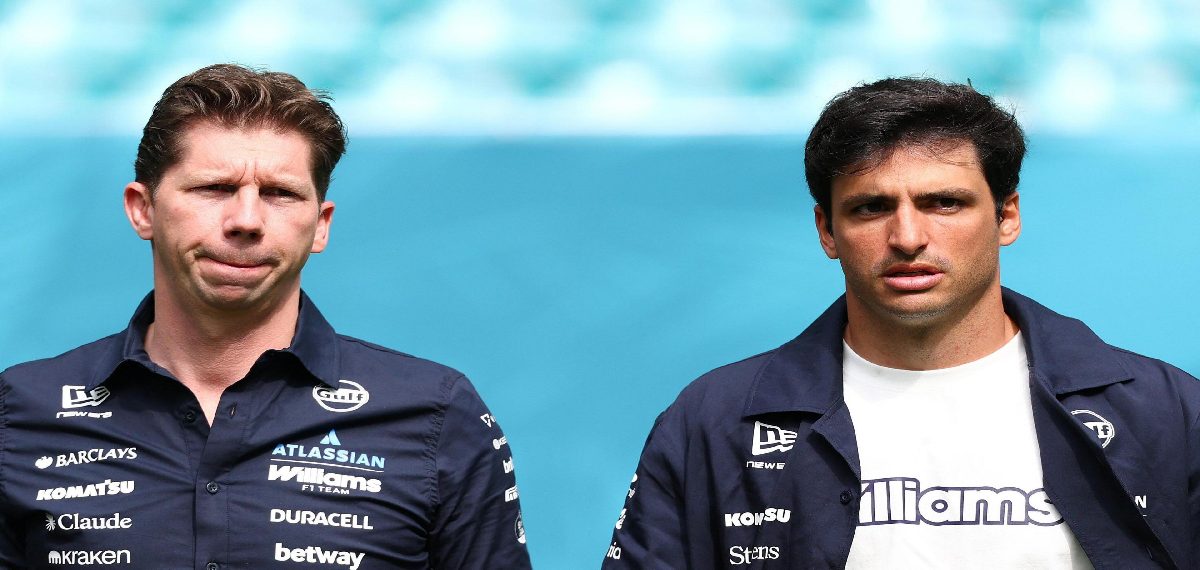
Williams, meanwhile, suffered a setback: a late, overweight car left the team down the order despite using Mercedes engines, with James Vowles characterising the experience as a painful but necessary reset for future development.
The opening 11 races have clarified competitive hierarchies and technical weaknesses in the 2026 package. Antonelli’s rapid development has shifted Mercedes’ intra-team dynamics. Engine energy limits have forced rule adjustments and prompted debate about long-term power-unit direction. Team upgrades—successful at Aston Martin and problematic for Williams—have revealed the reliability of development tools and the differing pace of recovery across outfits.