15 Eylül 2026
kapalı


RBI warns cash demand rises despite digital payments surge, urging vigilance as currency circulation grows alongside electronic transaction adoption.
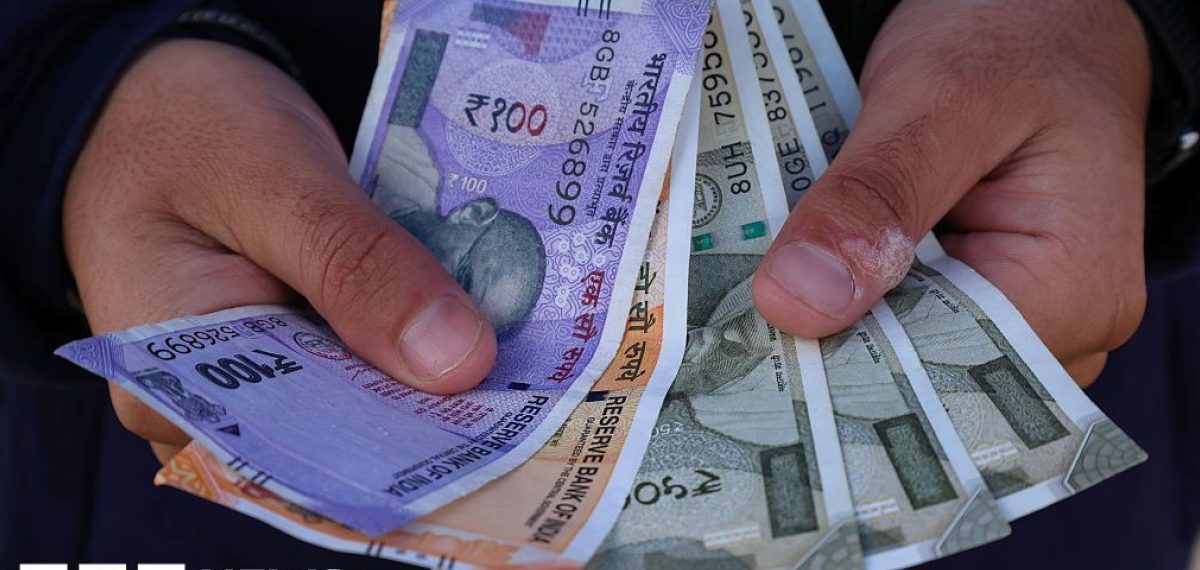
The Reserve Bank of India (RBI) reports that currency in circulation has reached 176 billion banknotes as digital transactions via UPI approach a billion per day, highlighting a growing stock of cash even while its share of everyday payments falls, RBI deputy governor Shirish Chandra Murmu said in Jakarta.
Murmu said India prints about 28–30 billion fresh notes across six denominations each year and retires roughly 21 billion, with cash distributed through 19 RBI regional offices, bank branches, more than 250,000 ATMs and millions of business correspondents. He described this coexistence of rising cash volumes and expanding digital payments as a “cash paradox.”
Economists and researchers cited in the report note that currency serves as a means of payment, a store of value and a hedge against calamity, with digital apps replacing primarily the payment function. Research by Anirudh Tagat, Mehmet Ozmen and Pushpa Trivedi found cash still dominated transactions as recently as 2019, and Tagat said India is a notable case where cash and non-cash payments have simultaneously grown.
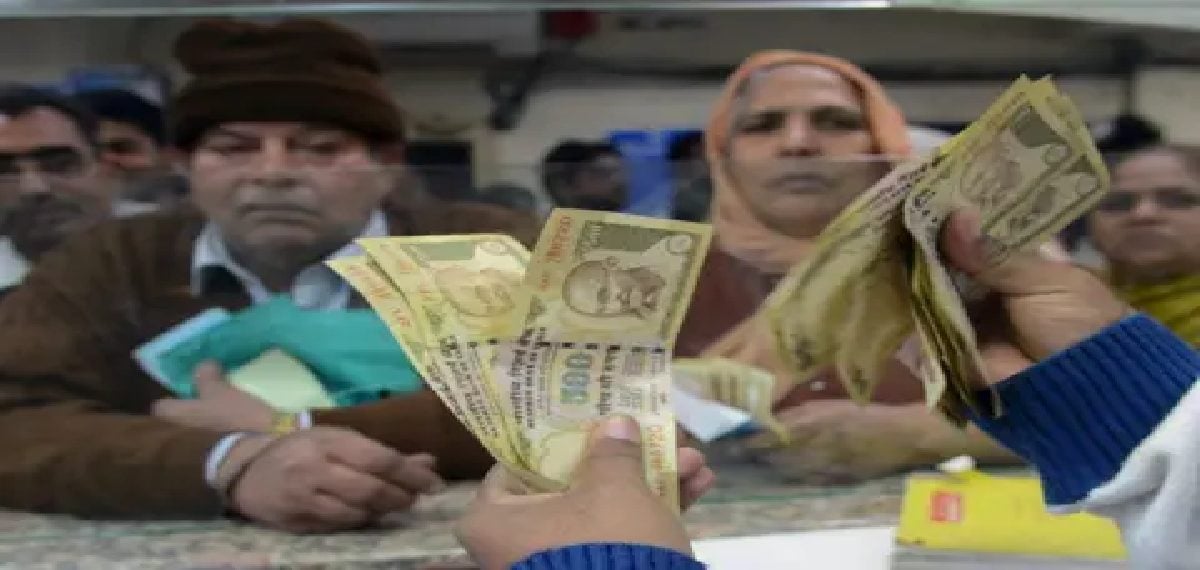
Florida State University researcher David Humphrey highlighted additional drivers: notes held abroad for major reserve currencies, replacement of unfit notes coming from overseas, and the value of unrecorded domestic transactions linked to illegal activity and under-declared property deals. The report notes that the 2016 demonetisation reduced the stock of high-value notes but did not eliminate flows of unrecorded cash.
The coverage shows multiple factors behind rising currency: strong demand for low-denomination notes in India, cash held as savings or insurance against system failures, currency use abroad, and unrecorded domestic cash flows. Central banks including the ECB have observed similar patterns, with household hoarding and external demand helping drive note circulation higher even as point-of-sale cash use declines.
For the RBI, maintaining currency production and distribution capacity remains essential alongside promoting digital payments. Ongoing trials of polymer notes aim to reduce replacement costs, while any future changes to small-payment fees on UPI could alter cash’s role in transactions.