26 Ağustos 2026
açık


Women protesters in Delhi face targeted online abuse after demonstrations; activists and rights groups call for accountability and stronger protections.
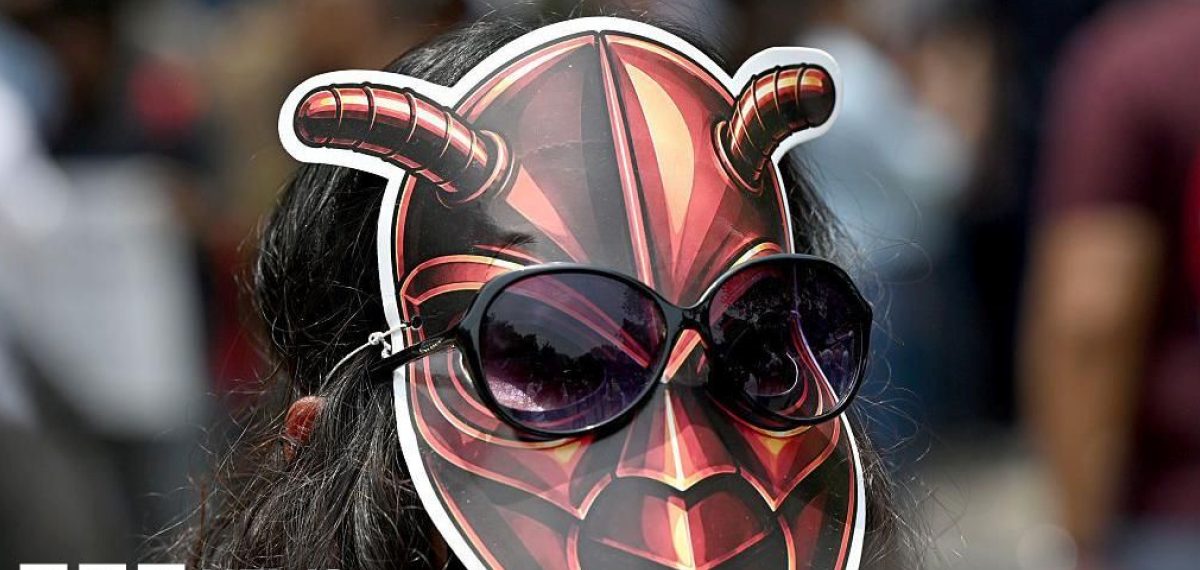
Thousands of young people used short social media videos to document anti-government protests in Delhi, but several women who posted content say they suffered coordinated online harassment and threats after the 20 July march to parliament.
Protesters marched to parliament on 20 July, when police used tear gas and baton charges to disperse demonstrators, an action Delhi police said left 60 protesters and 118 police personnel injured. The youth-led Cockroach Janta Party movement combined on-site organizing with viral reels, memes and first-person accounts shared on Instagram.
Women who recorded and posted footage said their profiles were targeted with rape threats, doctored images and abusive messages. Some reported that their videos were shown on national television and that online posts led strangers to identify their colleges and contact their families.
Several women described sustained sexualized insults, calls for police action, and anonymous messages threatening violence. Some removed or archived protest content, locked accounts or changed privacy settings after relatives and acquaintances pressed their families to act.
Those affected included content creators, first-time protesters, student activists and campus organizers. Accounts were turned private, messages blocked and names altered as a response to doxxing fears. Several women said male peers expressing similar views did not face comparable gendered abuse.
The accounts reviewed show a pattern of gendered harassment following viral protest content, with targeted doxxing, edited images and coordinated messaging leading to offline consequences such as calls to family members and police complaints. Women involved in organizing and documenting the protests reported altering online behavior to reduce exposure while continuing some forms of activism.