17 Temmuz 2026
parçalı bulutlu


Aer Lingus plans up to 500 job cuts while trimming transatlantic routes, citing network reshaping and cost reductions to stabilize operations.
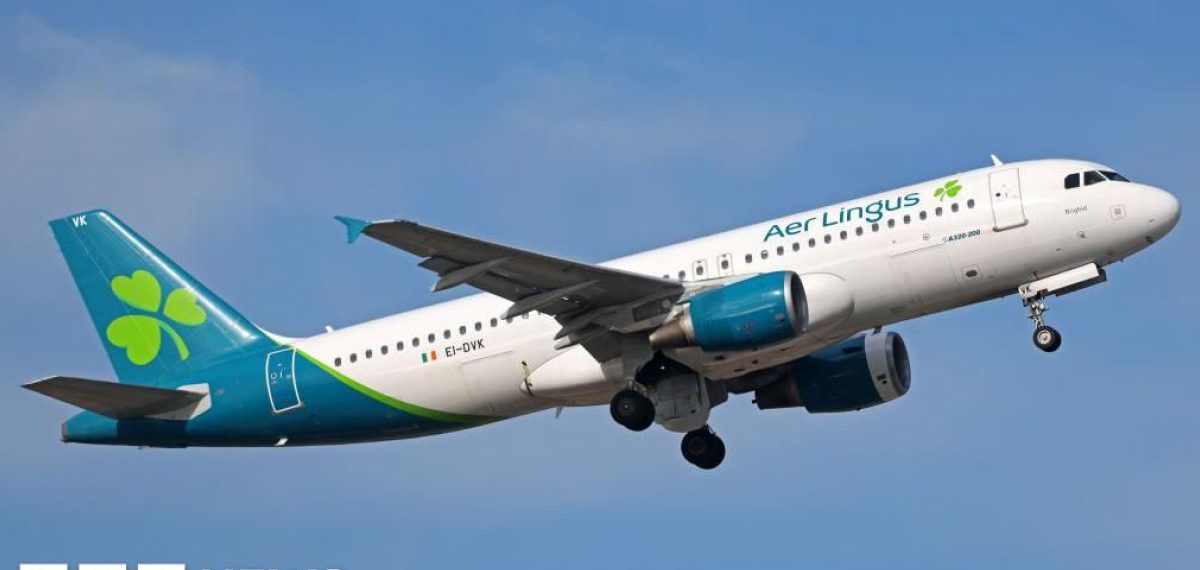
Aer Lingus has announced a proposal to cut up to 500 roles amid a plan to reduce flight capacity by 6%, saying the move responds to a challenging macroeconomic environment and rising transatlantic competition. The airline confirmed head office, cabin crew and pilot positions are at risk and that route changes will begin from late September 2026 into summer 2027.
The airline said 290 roles at its Dublin Airport head office, 140 cabin crew roles and 70 pilot positions could be affected. Aer Lingus currently employs about 6,000 people and reported first-quarter losses of €103m (£87m) for 2026.
A 6% capacity reduction will be achieved in part by removing routes judged to be underperforming. Aer Lingus said customers impacted by network changes will be contacted directly with re-accommodation or refund options.
As a result of the network review, the carrier plans to withdraw or seasonally suspend several services and reduce the use of aircraft types in peak summer 2027, including two A330s and four A320s.
| Route | Change | Last operated |
|---|---|---|
| Dublin–Denver | Discontinued | 28/09/26 |
| Dublin–Minneapolis | Discontinued | 24/10/26 |
| Dublin–Las Vegas | Discontinued | 03/12/26 |
| Dublin–Seattle | Summer-only | From 24/10/26 |
| Dublin–Split | Discontinued | 29/09/26 |
| Dublin–Frankfurt | Summer-only | From 02/11/26 |
| Dublin–Hamburg | Summer-only | From 02/11/26 |
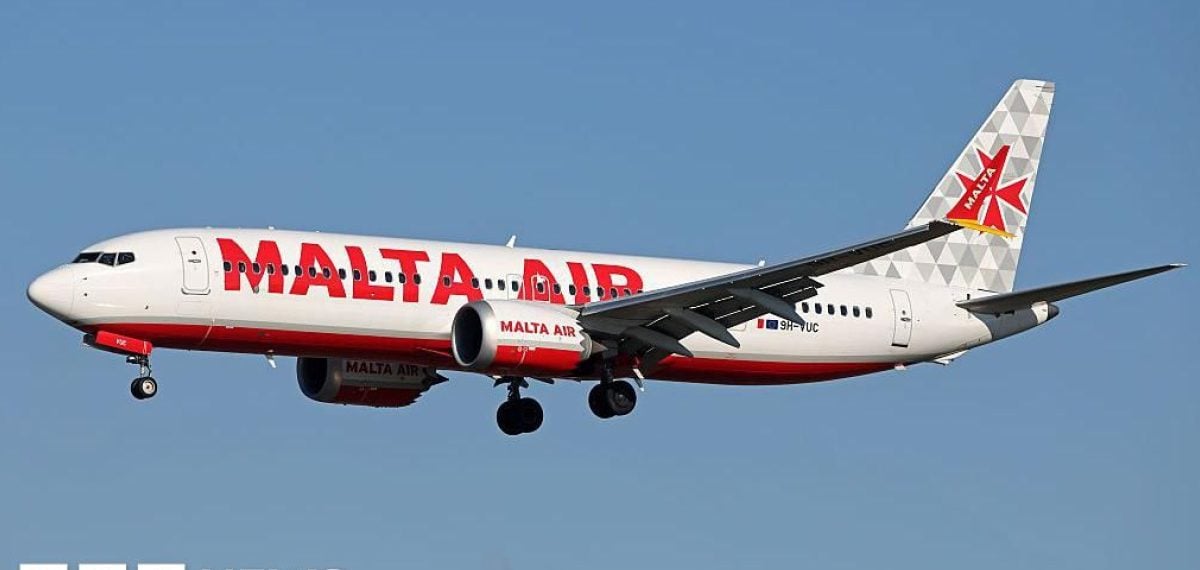
| Dublin–Malta | Summer-only | From 03/11/26 |
Aer Lingus said the changes are essential to improve operating margin and secure future investment, targeting a 12–15% operating margin to attract investors. Chief executive Lynne Embleton described the measures as a transformation to position the airline for the future and to support its ambition to connect Europe with North America.
The airline emphasised that the consultation process will focus on reducing compulsory redundancies where possible while protecting future investment in the business.
Aer Lingus’s action reflects broader pressure on legacy and hybrid carriers operating transatlantic routes: rising fuel and operating costs, aggressive competition on long-haul lanes and investor demand for clearer profitability targets force capacity pruning and network reshaping. For Ireland’s aviation sector, route withdrawals could reduce connectivity and tourism flows on affected city pairs, while cost savings may stabilise the carrier’s finances and preserve core long-term links.
For staff and local suppliers the near-term impact is acute: potential job losses and reduced flying hours will squeeze household incomes and local spending. If Aer Lingus reaches its margin targets, however, it may secure capital for fleet renewal and future network re-expansion when market conditions improve.