08 Eylül 2026
açık

Canada defends its supply management system amid US threats of 50% tariffs, highlighting trade tensions, domestic stability and policy implications.
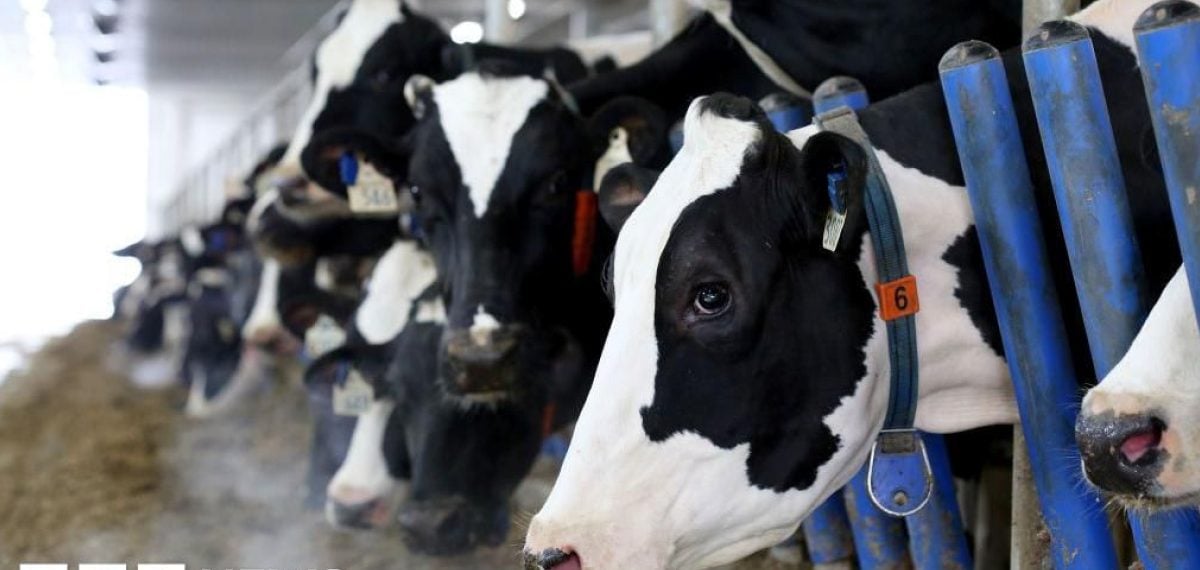
Canada reiterated its commitment to the supply management system after the US president cited it among key grievances to justify a 50% tariff on $20bn of Canadian goods scheduled for August, officials and industry representatives said. The dispute centers on dairy, eggs and poultry production quotas, provincial price-setting and strict import limits that the US says restrict market access for American producers.
Quebec Premier Christine Fréchette described supply management as non-negotiable, while Trade Minister Dominic LeBlanc called the framework a cornerstone for Canada’s economy and rural communities, saying it ensures access to high-quality dairy made by Canadian farmers. Canadian officials emphasized protection of domestic producers and price stability as core objectives.
Under Canada’s system, farmers hold production quotas and provincial marketing boards set prices, while imports above low tariff-rate quotas face levies of roughly 200% to nearly 300%, effectively limiting foreign competition. The United States currently has tariff-free access to about 3.5% of Canada’s dairy market, even as Canada imported $1.3bn of US dairy products in 2025 according to USDA figures cited by the White House.
The White House argued in a recent order that Canada’s trade arrangements with the EU give European producers comparatively easier access to the Canadian market, a claim framed as discrimination against US exporters. The issue has previously been raised under the USMCA, and it contributed to past trade negotiation breakdowns with other partners over tariff-free cheese access.
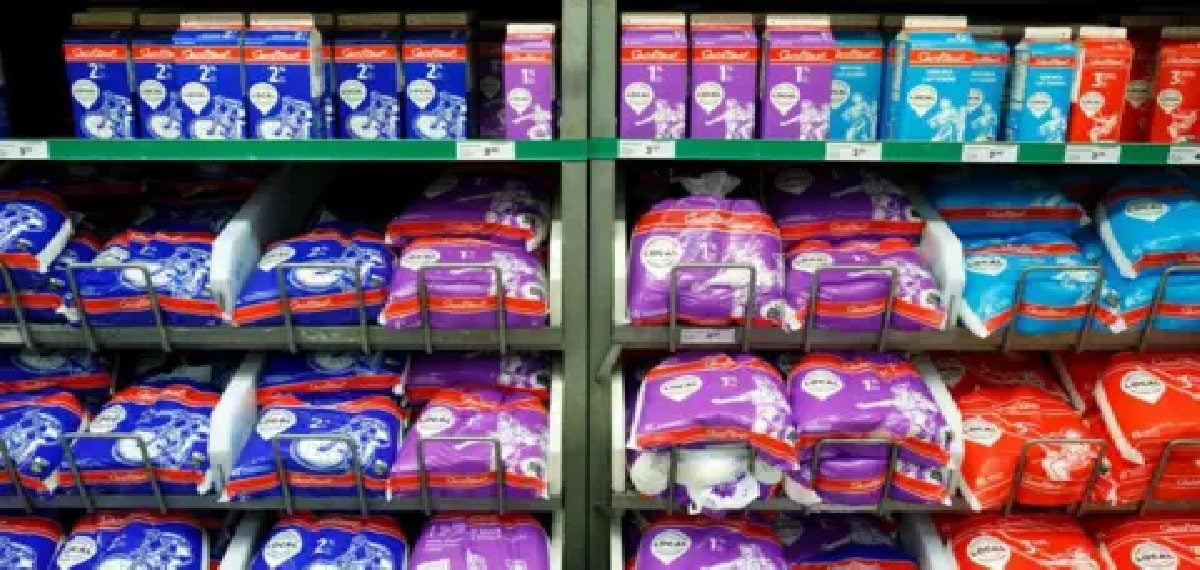
Critics within and outside Canada contend the system inflates domestic prices, citing household price comparisons showing an average C$3.19 per litre of milk in Canada versus C$1.95 in the US in May, based on Statistics Canada and USDA data. Supporters, including Dairy Farmers of Canada president David Wiens, argue the framework stabilizes prices and shields consumers from supply shocks such as those seen in US egg markets during disease outbreaks.
The dispute highlights a persistent trade friction point where Canadian domestic policy and US export interests collide. Canadian political leaders and industry representatives frame supply management as integral to rural economies and food security, while US officials and some critics view it as restrictive market protection that disadvantages American producers. The standoff has prompted high-level statements from provincial and federal officials and invoked historical challenges under trade agreements.