21 Kasım 2026
parçalı bulutlu


UEFA restricts VAR mistaken-identity procedures after World Cup errors, tightening protocols to prevent wrongful sanctions and improve officiating accuracy.

UEFA has instructed its video assistant referees to restrict use of the mistaken-identity provision to clear, factual cases after two high-profile applications at the 2026 World Cup led to controversy, the governing body said as domestic leagues received briefings this week.
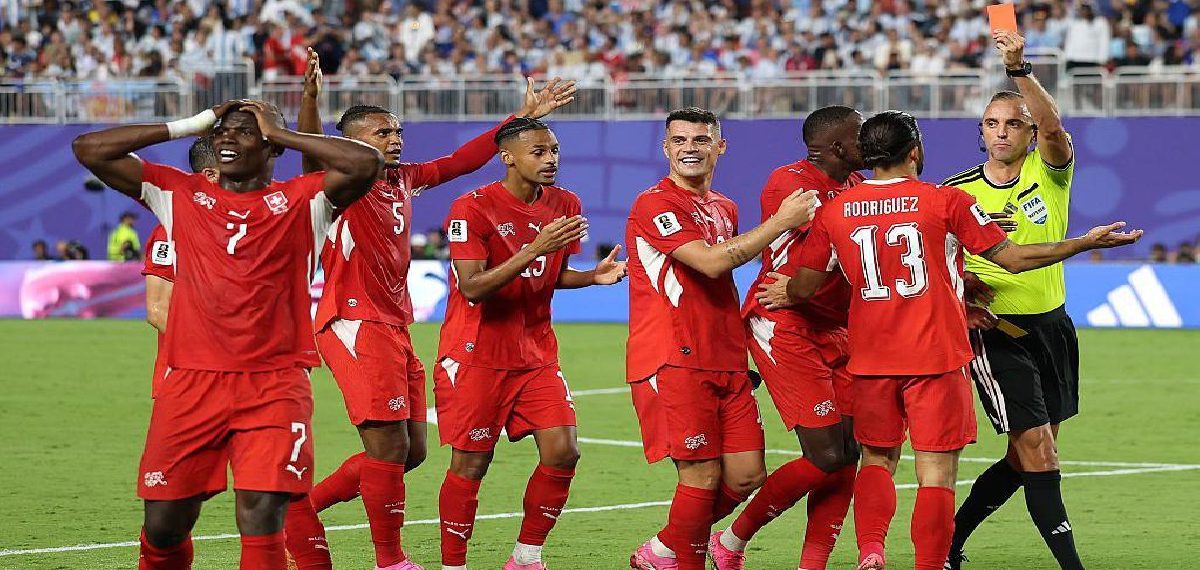
The change to the IFAB VAR protocol, active from this summer, allows VARs to intervene when a referee has identified the wrong player for a yellow or red card. That process was used at the World Cup to switch a yellow card from United States defender Tim Ream to Paraguay’s Miguel Almiron for simulation, and to change a booking outcome in Switzerland striker Breel Embolo’s dismissal after a VAR review showed he initiated contact despite another player being initially booked.
UEFA briefings to match officials emphasized that mistaken identity should be treated as a purely factual determination and used only when the same offence is involved, such as a handball being attributed to the wrong player. The body said changing a call from a foul to simulation involves different, subjective offences and requires the referee to review footage on the pitch-side monitor, so it should not be regarded as mistaken identity.
UEFA’s instruction narrows application of the IFAB amendment used at the World Cup by limiting VAR intervention to situations where the original offence is identical and factual misidentification has occurred. The guidance distinguishes factual mistaken identity from reviews that change the nature of the offence, such as reclassifying a foul to simulation, and clarifies that such reclassifications should prompt on-field review by the referee.
UEFA also confirmed VAR scope will include reviews for incorrect second yellow cards, incorrect straight red cards and penalties where the on-field decision was wrong, while some World Cup interventions—such as issuing red cards for players covering their mouths—will not be adopted.
Head referees from UEFA’s 54 member associations are due to meet next week to discuss VAR use, including the mistaken-identity guidance, and domestic leagues indicated they are likely to follow UEFA’s factual-only approach.