08 Ağustos 2026
açık


U.S. beef prices reach record highs as production costs climb, leaving producers with little to no additional profit despite surging retail prices.

The price of beef in U.S. supermarkets has risen about 12% year‑on‑year, yet ranchers, feedlot operators and packers report little or no extra profit, BBC World Service’s Follow the Money found after tracing the American beef supply chain.
South Dakota rancher Eric Gropper sells calves at record auction prices — about $2,500 for a 600lb calf — but faces sharply higher input costs. Drought has left more than 60% of U.S. grazing land parched, forcing many producers to buy hay and feed; Gropper also contends with dry wells and rising equipment and material prices that have pushed expenses well above pre‑pandemic levels.
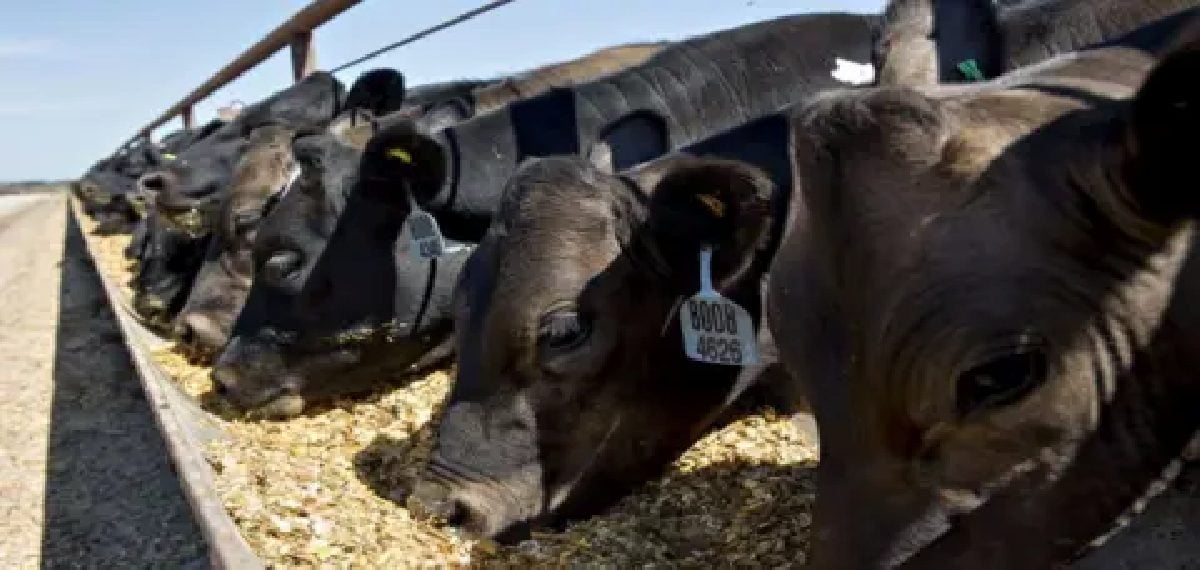
Calves typically move to feedlots at about six months old to be finished on corn and grains. Large feedlots and independent operators say they too buy cattle at all‑time highs, limiting potential gains for the finishing stage despite higher retail prices.
Meatpackers — dominated by Tyson, JBS, Cargill and National Beef, which handle roughly 85% of U.S. beef processing — have reported losses on beef in recent reporting periods. High acquisition costs for live animals and constrained ability to raise wholesale prices because of competition from other proteins and imports compress margins. Smaller packers operating below capacity face higher per‑head fixed costs, adding to their losses.
Restaurant owners such as Paul and Jessica Urban of Block 16 in Omaha have raised burger prices modestly — from $8.95 at opening to $11.95 today — but say further increases risk deterring customers, limiting operators’ ability to recapture higher input costs.
Record retail beef prices coexist with constrained profitability across the supply chain because each stage faces higher purchase or operating costs. Drought and disease have reduced U.S. cattle numbers to lows not seen since 1951, contributing to elevated calf prices at auction. Feedlot and packing operations pay those elevated prices and, in some cases, run facilities under capacity, spreading fixed costs over fewer head. Restaurants and retailers have limited scope to pass costs fully to consumers.
The fundamental factor identified across the chain is the shortfall in cattle supply; restoring larger market supplies requires the multi‑year biological cycle for cattle reproduction and growth.