10 Eylül 2026
açık


US slaps 50% tariffs on Canadian goods, escalating trade tensions ahead of negotiations; firms and diplomats brace for high-stakes talks.
Washington announced a surprise presidential proclamation imposing 50% tariffs on a range of Canadian products, from hockey sticks to candles and synthetic wigs, set to take effect on 19 August, senior US officials said the move responded to what they described as unequal treatment of US cars, dairy and alcohol by Canada.
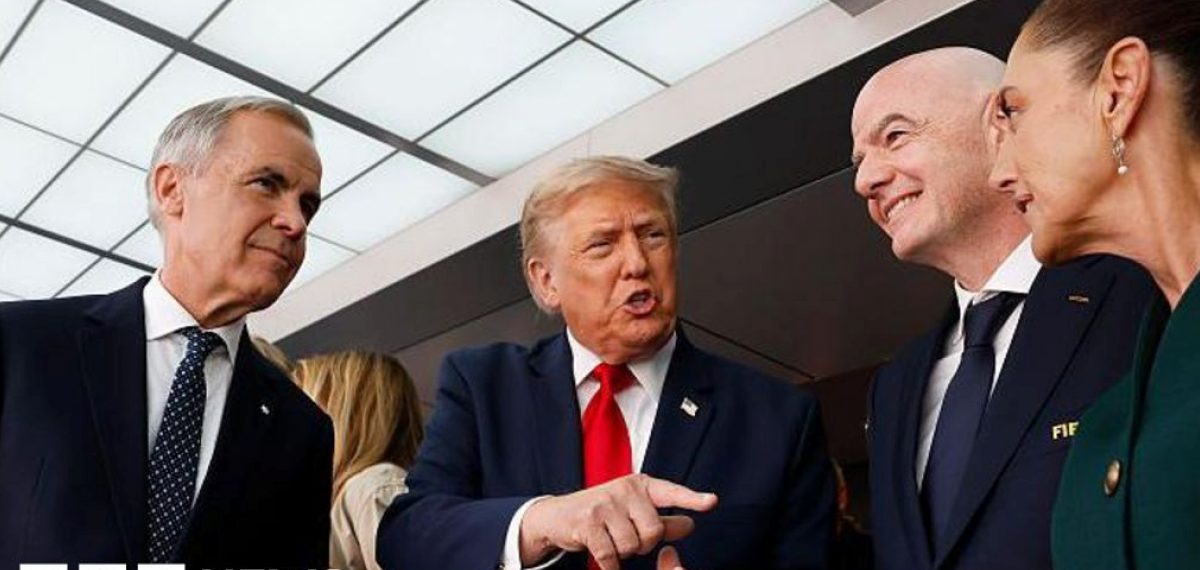
The announcement came a day after Canadian Prime Minister Mark Carney and US President Donald Trump were pictured together at the World Cup final in New Jersey. US officials framed the tariffs as leverage amid renewed talks to update the North American trade framework with Mexico under the USMCA, while talks with Mexico continued separately.
Canada already faces active US tariffs of 15%–50% on steel, aluminium and copper and a 35% levy on softwood lumber, as well as a 25% tariff on non-US auto parts. Ottawa maintains countermeasures including a 25% tariff on selected US steel, aluminium and vehicles, and several provinces removed US alcohol from store shelves in response to prior US levies.
Trade experts and stakeholders cited pressure tactics by the Trump administration and noted US officials have publicly expressed frustration with Canadian retaliatory tariffs. Jamieson Greer, US Trade Representative, said officials speak weekly with Canadian counterparts but have seen limited movement in negotiations.
The US proclamation escalates an existing web of sectoral tariffs between the two neighbours and is presented by US officials as a response to alleged unequal treatment of US industries. The timing coincides with renewed US-Canada talks on USMCA and parallel, more advanced discussions with Mexico. Canadian leaders voiced resolve to consider all options and to continue negotiations toward a comprehensive agreement.
Analysts noted the tariffs add pressure on Canada ahead of the 19 August effective date and underscore Washington’s continued use of tariffs as leverage in bilateral and trilateral trade discussions.