20 Kasım 2026
parçalı bulutlu


At APEC, Trump departs without meeting Kim as regional leaders push for renewed dialogue and diplomatic engagement.
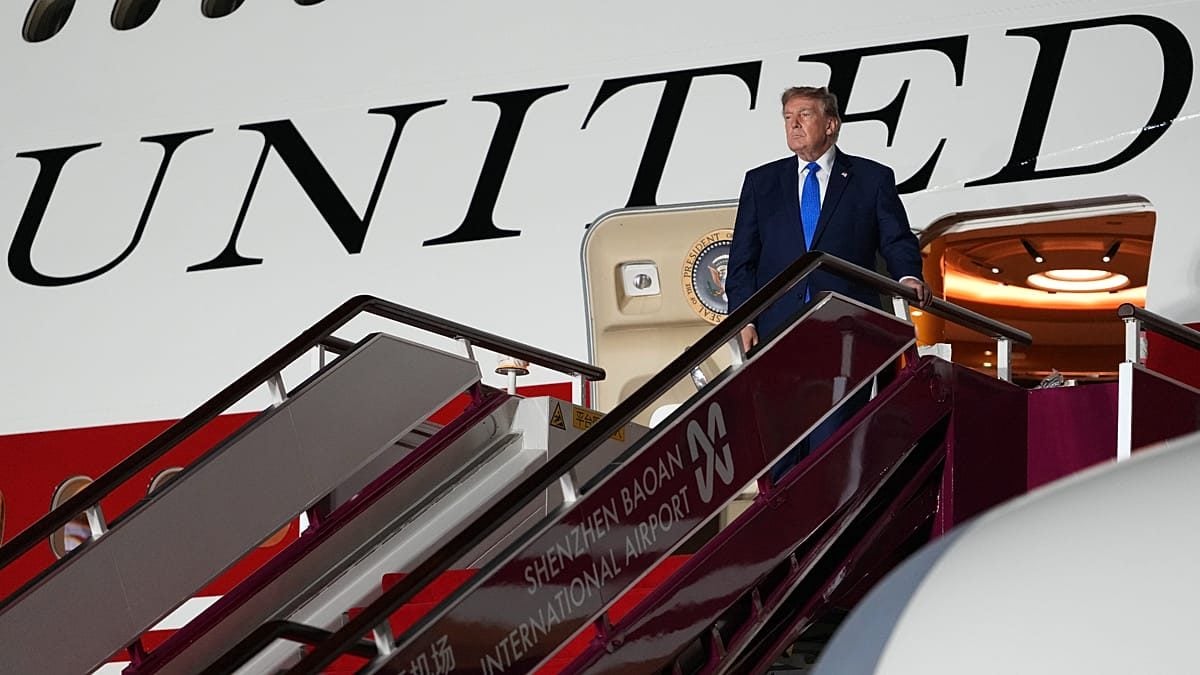
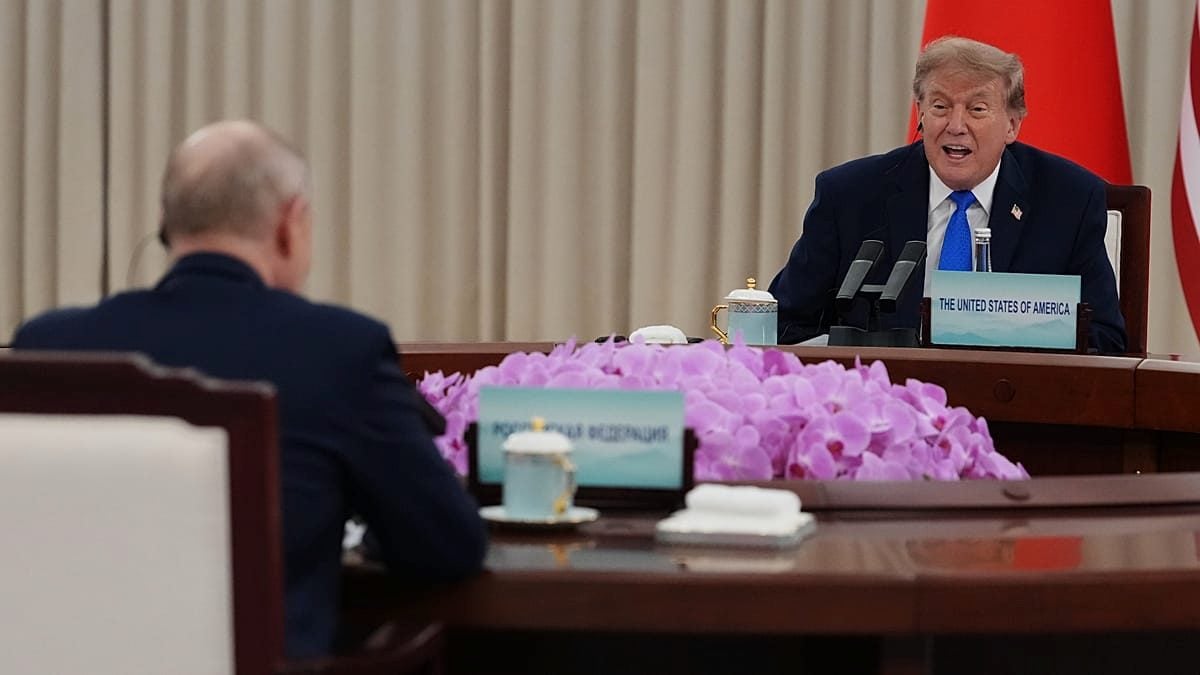
U.S. President Donald Trump departed China after the APEC summit in Shenzhen without holding a face to face meeting with North Korean leader Kim Jong-un, a meeting he had repeatedly suggested during his Asia trip. The three way meeting with Chinese President Xi Jinping and Russian President Vladimir Putin produced a joint peace declaration focused on nuclear risk reduction and non proliferation but made no explicit reference to the Korean Peninsula or Taiwan.
The leaders exchanged views on the Korean Peninsula, Ukraine, nuclear non proliferation and the situation in the Middle East according to Chinese state news agency Xinhua. The omission of an explicit reference to the Korean Peninsula in the declaration has generated concern among South Korea, Japan and Taiwan that major powers might address regional security matters without consulting directly affected states.
South Korean outlets compared the three way summit to the 1945 Yalta Conference and voiced unease about being sidelined. South Korean academics told local media that China and Russia may view North Korea differently from the United States, and that denuclearisation risks slipping down the diplomatic agenda. South Korean President Lee Jae myung at APEC reiterated the importance of achieving peace and stability on the Korean peninsula to bring prosperity to the region.
Japan reacted with concern over its exclusion from the three way meeting amid already tense relations with China. Japanese Prime Minister Sanae Takaichi exchanged greetings with Xi in Shenzhen but did not hold a formal meeting. Japanese officials sought reassurances from Washington and planned a phone call with Trump to discuss his talks with Xi and Putin and to reaffirm bilateral cooperation. The joint declaration also called for respect for the immunity of state officials and warned against abuse of jurisdiction by institutions such as the International Criminal Court.
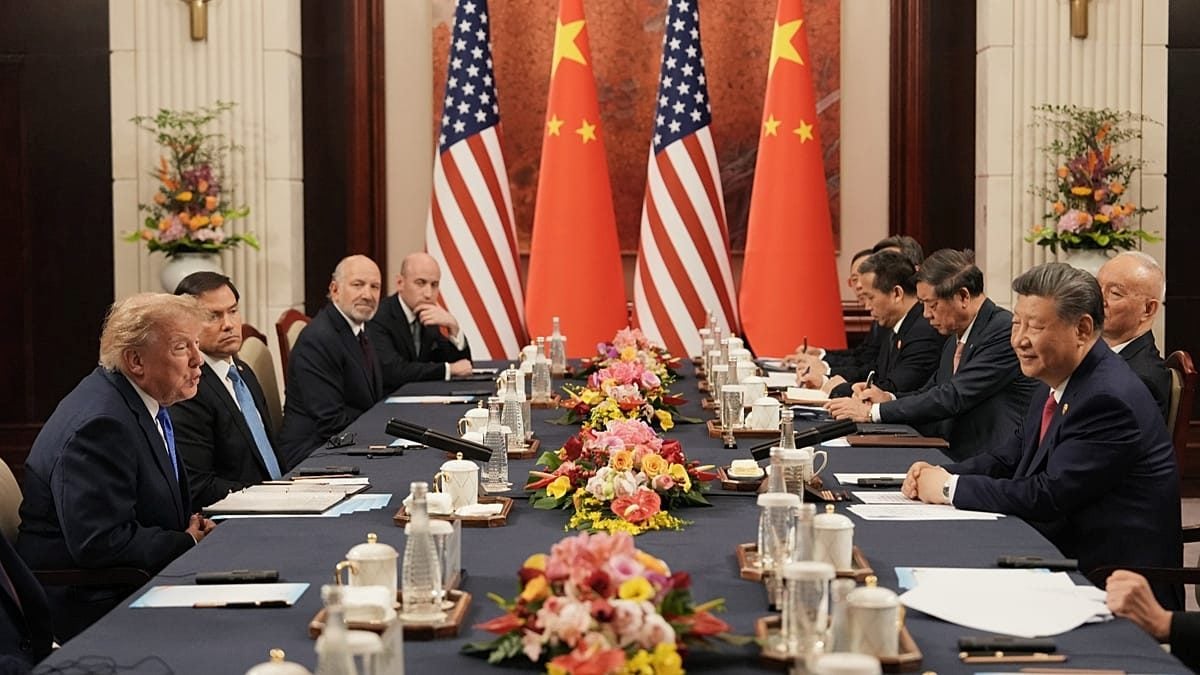
In Taiwan, media raised fears that the island could be used as a bargaining chip. The question of Taiwan surfaced in the bilateral meeting between Xi and Trump earlier on Thursday with divergent views on strategic stability noted by Taiwanese analysts. State run Chinese media described the three way meeting as positive and constructive, and Xi advocated regular high level meetings and crisis management mechanisms though those proposals were not explicitly included in the four point peace declaration.
The three way meeting at APEC underscored a shared interest among the United States, China and Russia in framing dialogue on global security issues while stopping short of binding commitments on sensitive regional matters. The absence of explicit language on the Korean Peninsula and Taiwan highlights the limits of consensus among major powers and reinforces regional anxieties about exclusion from discussions that affect their security. Moves by South Korea, Japan and Taiwan to publicly seek reassurance reflect a pragmatic effort to preserve their diplomatic standing and to signal that their security concerns remain central to regional stability.