20 Kasım 2026
parçalı bulutlu


IEA warns Middle East crisis could trigger unprecedented global energy shock, threatening supply, prices and market stability worldwide.
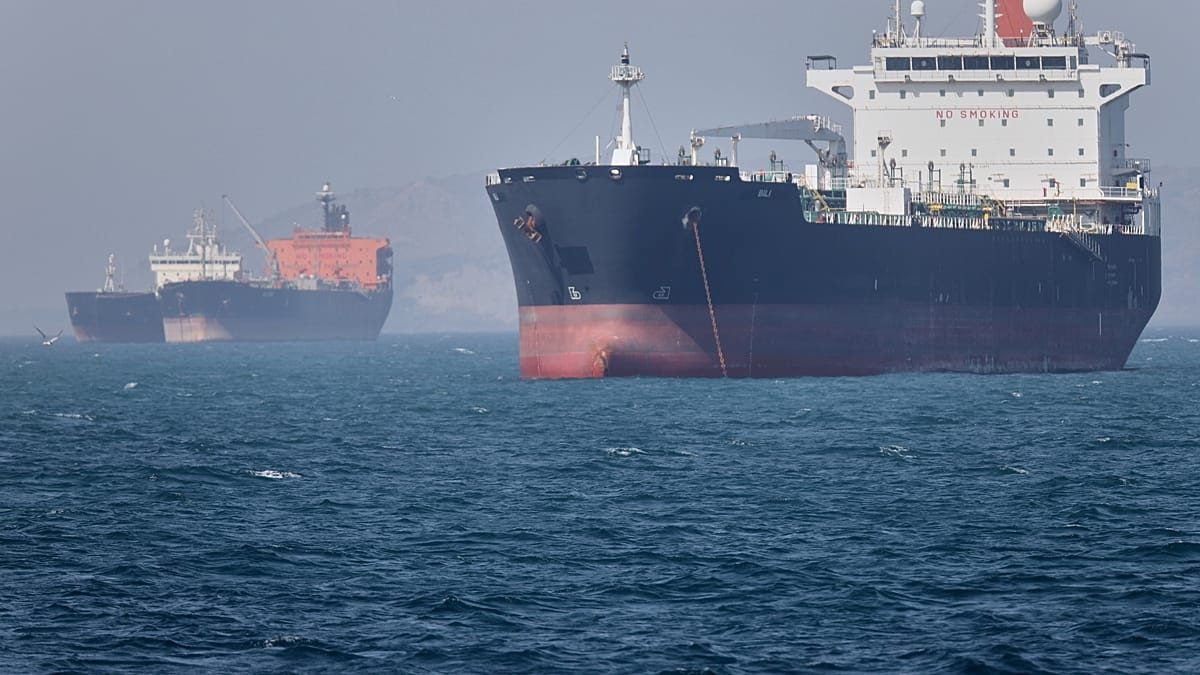
The International Energy Agency has warned that the Middle East conflict has created the largest threat to global energy security in history as disrupted oil supplies push up prices and leave consumers increasingly exposed to the fallout.
The warning follows the US and Israeli bombing of Iran which began in February and the subsequent Iranian blockade of the Strait of Hormuz and targeting of tankers in the area. Despite United States efforts to escort vessels through the strait, supply lines remain severely disrupted compared with prior levels when the strait carried about one-fifth of global oil shipments.
IEA Executive Director Fatih Birol said the crisis dwarfs the oil shocks of the 1970s and noted that producing nations have brought more supplies into the market and used alternative routes while China has reduced purchases from international markets.
The IEA highlighted that governments have intervened to shelter consumers but households have nonetheless faced higher prices and, in some cases, shortfalls of supply, with rising costs increasingly borne by consumers as other buffers are run down.
The agency used three standard scenarios in its World Energy Outlook report covering current policies, stated government policies including measures not yet adopted, and a pathway to net zero emissions by 2050. The IEA also added two scenarios reflecting potential outcomes if the Middle East crisis persists.
The IEA assessment signals that prolonged disruption in the Strait of Hormuz could have deep and lasting effects on global energy markets and consumer prices. The combination of reduced flows through a key shipping lane, targeted strikes and a major producer’s blockade has eroded typical market cushions and forced governments to rely on interventions that have not fully protected households from higher costs.
The inclusion of crisis scenarios in the IEA outlook underscores the agency’s view that without a credible pathway to restore prior market conditions the energy system faces structural stress with long term implications for supply security and global economic resilience.