23 Eylül 2026
hafif yağmur


Rising early and forced marriages in Gaza highlight the human cost of the worsening humanitarian crisis, threatening girls’ rights and futures.
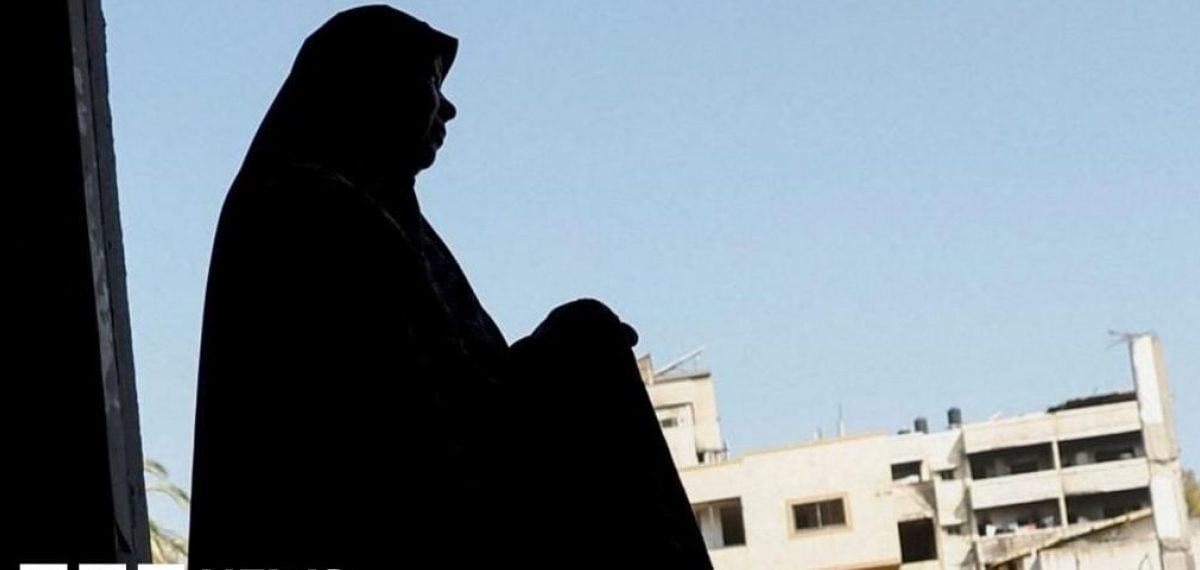
The UN Population Fund (UNFPA) and partner agencies report a sharp rise in violence against women and girls in the Gaza Strip, including a 123% increase in reported early and forced marriages in April–June 2026 compared with the previous quarter, according to UNFPA analysis of data collected by 10 organizations.
UNFPA said testimony from 230 women in displacement camps in Gaza City and Khan Younis documented sexual violence, child marriage and exchanges of girls for essentials such as food. The reports describe cases in which rape survivors were married to their attackers and families married off underage girls—some as young as 12—so households could secure basic supplies.
Nestor Owomuhangi, UNFPA representative to Palestine, said the protracted crisis has eroded social structures, leaving many households unable to meet basic needs and driving risky protective responses such as early marriage. The UNFPA-led task force found sexual violence accounted for 2.7% of reported gender-based violence (GBV) incidents from April to June 2026, up from 2.1% the prior quarter, a 61% rise in absolute numbers.
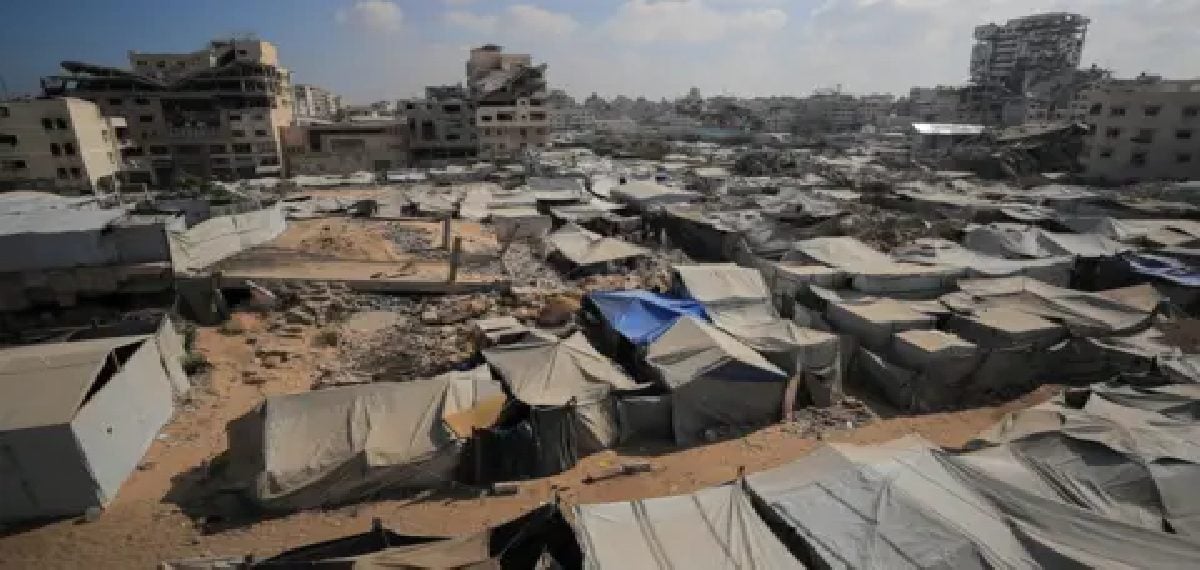
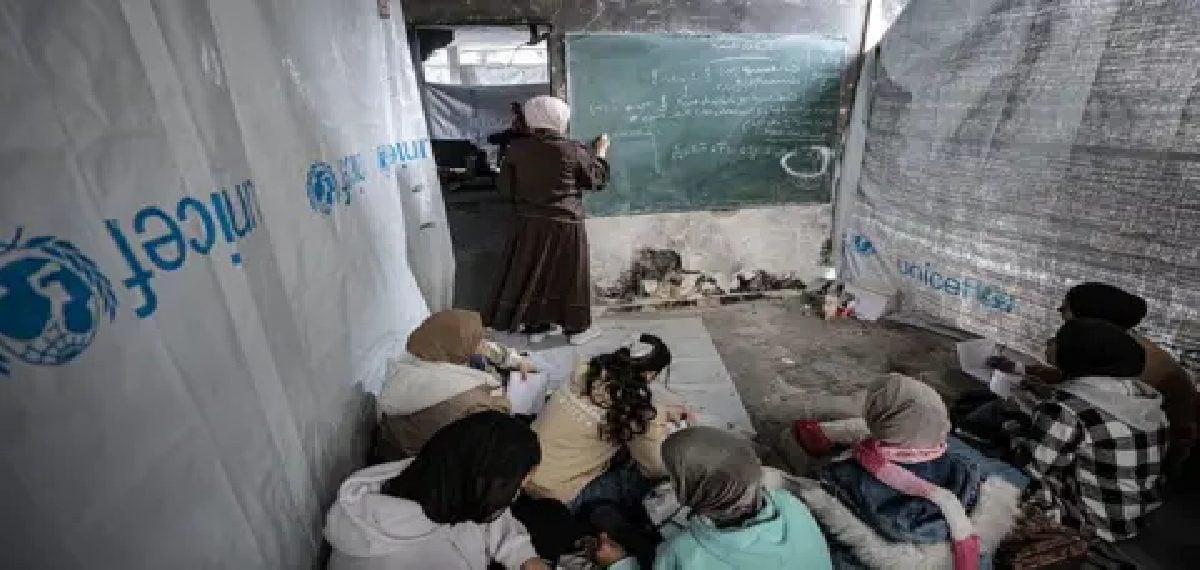
Reports highlight that nearly all of Gaza’s more than two million residents have been displaced, public services have largely collapsed, and prolonged school closures have contributed to children dropping out. Girls orphaned during the conflict were repeatedly identified as especially vulnerable to early marriage and exploitation.
The UNFPA reports and partner data indicate a marked escalation of protection risks for women and girls in Gaza: early and forced marriages rose 123% in Q2 2026 compared with Q1, sexual violence reports increased in absolute terms by 61%, and survivors included women aged 18–59 and adolescent girls. Testimonies from displacement camps describe marriages arranged to avoid stigma after rape and transactions of girls for food, while service disruptions, school closures and female-headed households were cited as contributing factors.
The reports also note legal and institutional constraints: Gaza law permits marriage below 17 with parental and judicial authorization, and closures of Islamic courts removed some procedural safeguards during the conflict period referenced by UNFPA.