23 Eylül 2026
hafif yağmur


Renewables supplied over half of India’s peak demand, revealing critical grid constraints and financing gaps that need urgent policy and investment fixes.
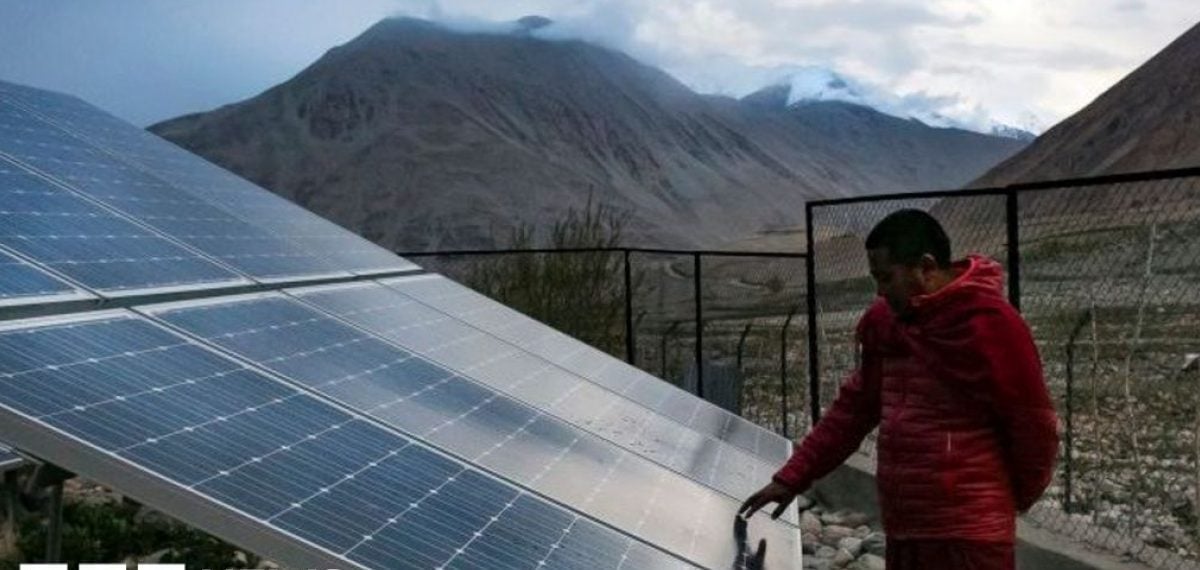
On a hot July afternoon this year, electricity from solar, wind, hydro and nuclear sources briefly supplied more than half of India’s peak power demand, the second such occurrence after a similar episode the prior year, ReNew Power CEO Sumant Sinha told the BBC and official data indicate this milestone underlines rapid growth in non-fossil capacity while revealing operational constraints.
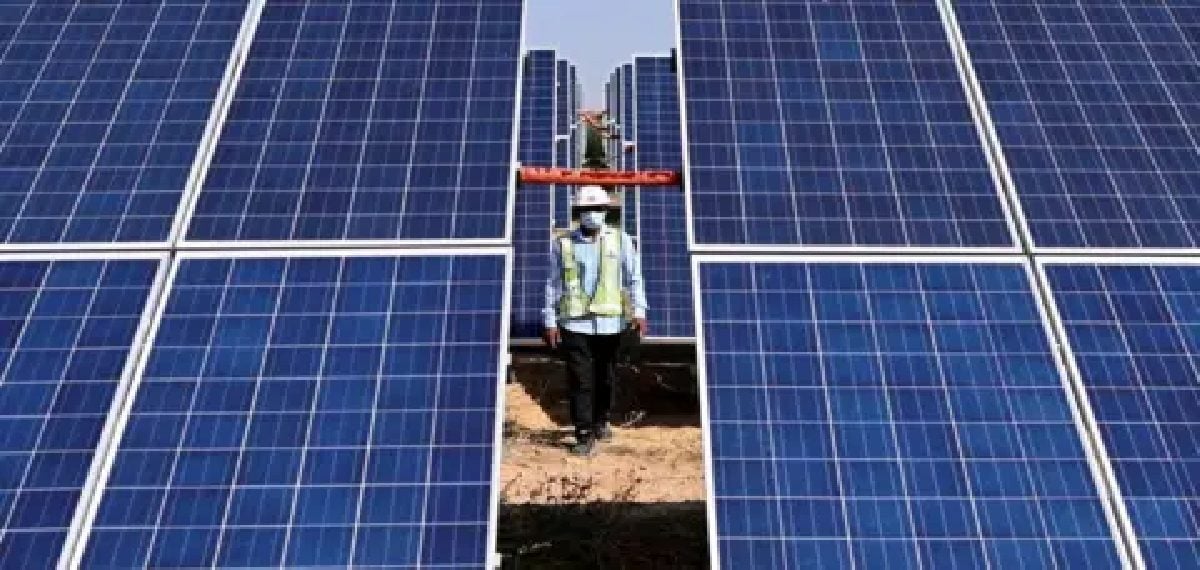
India’s installed renewable capacity has expanded from about 4GW a decade ago to roughly 300GW today, representing 54% of the country’s 552GW total installed capacity, achieved five years ahead of schedule. Despite this, coal-fired plants still generate about 70% of the country’s electricity on average due to higher load factors.
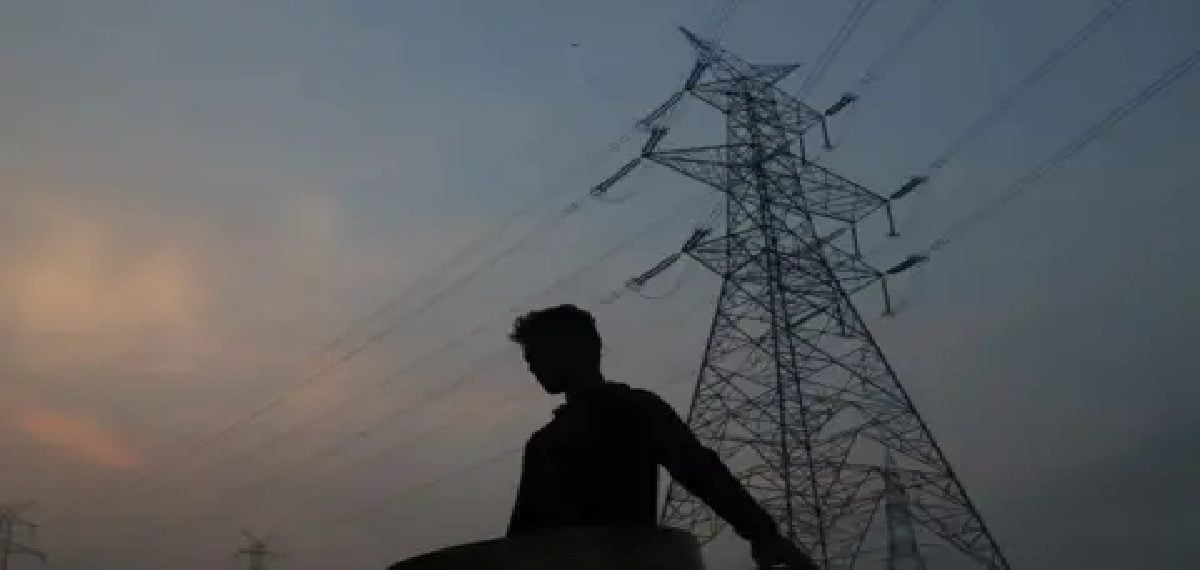
Experts highlight a growing mismatch between generation and transmission: transmission constraints were responsible for nearly two-thirds of renewable curtailment in the first quarter of 2026, amounting to some 300 GWh, according to Ember. One in four inter-state transmission projects now faces delays exceeding a year.
Industry figures attribute the shortfall to the longer timelines and complex approvals for transmission projects—including right-of-way and land acquisition—which lag behind the faster 18–24 month timelines for generation projects. The concentration of renewables in Gujarat and Rajasthan has further strained the ability to evacuate power from production centers.
Battery storage at renewable pooling stations could have stored curtailed energy for evening use, but storage deployment stalled amid higher battery prices, raw material shortages linked to the Middle East conflict and currency-driven financing costs that caused many planned projects to falter, analysts say.
Financing challenges extend beyond storage: estimates put required investment to reach 500GW of non-fossil capacity by 2030 at $400–$500 billion, while the bulk of climate mitigation finance in India—about 83%—is sourced domestically, per the government economic survey. Observers note limited access to cheaper international finance, guarantees and currency risk protection has constrained faster private investment.
The brief moment when renewables covered over half of peak demand demonstrates the increasing scale of India’s clean generation but also highlights concrete operational limits documented in the source material: transmission bottlenecks causing significant curtailment, regional concentration of projects in the northwest, stalled storage deployments due to cost and supply issues, and a heavy reliance on domestic financing that may not match the scale of required capital.
Addressing transmission delays, expanding storage where feasible and improving access to affordable external finance emerge in the cited analysis as the key gaps constraining fully utilising the expanded renewable fleet.