
14 Eylül 2026
parçalı bulutlu


UK moves to ban West Bank settlement goods amid escalating tensions, aiming to uphold law and human rights while navigating complex diplomatic fallout.
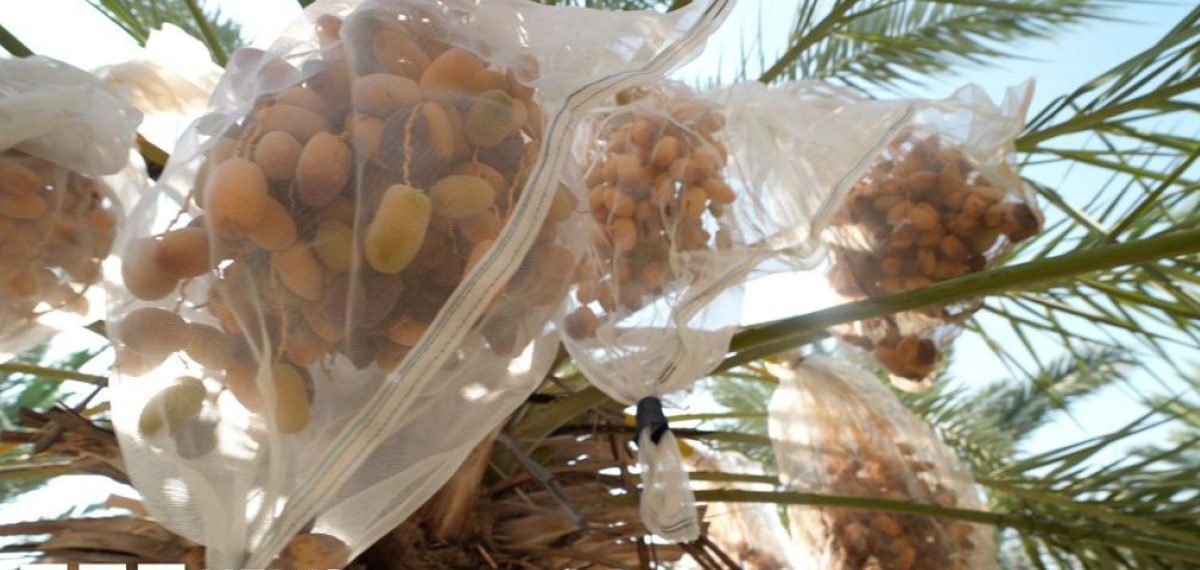
The UK announced plans to stop imports from Israeli settlements in the West Bank, citing the occupation’s unlawfulness and concerns over settler violence, a decision expected to affect date exports from the Jordan Valley, officials said.
British Foreign Secretary Ed Miliband told Parliament the government now accepts the 2024 International Court of Justice advisory opinion that the continued occupation is unlawful and said this should be reflected in economic relations with the occupied territories. He described settler violence as rampant and quoted Ephraim Sneh in saying there is ethnic cleansing of Palestinians in parts of the West Bank perpetrated by settler groups.
Israel criticised the move. President Isaac Herzog called it a “grave miscalculation” and government officials warned of retaliation if Britain acts against Israel. Some European countries, including Ireland, Spain and Belgium, have already imposed bans or restrictions on settlement goods, and others have signalled similar intentions.
Growers in the Jordan Valley prepare for an uncertain market. Israeli settler farmers such as Avigdor Arbel said they would seek alternative markets if European outlets close, while Palestinian growers like Abdul Halim Abu Omar reported severe water shortages that left many date palms fruitless. Palestinian exporter Momen Sinokrot, who works with 55 growers, said bans could increase the costs of settlement expansion and curb settler growth.
Trade enforcement questions remain. A Global Echo report found some settlement produce in Europe mislabelled as from Israel proper or mingled with produce from Israel’s internationally recognised borders; the report’s author suggested a UK ban would raise the commercial cost of such practices and enable stronger penalties under a sanctions regime.
The UK policy shift aligns with other European measures restricting trade from settlements and is framed by officials as a response to facts on the ground in the West Bank that undermine the two-state outcome. The move targets economic links to settlements, highlights enforcement challenges around product labelling and shipment provenance, and has prompted strong reactions from Israeli officials and settlers who sell export crops such as Medjool dates.
On the ground, Palestinian farmers cite restricted water access and settler encroachment as factors reducing their production and market competitiveness, while Israeli settlers emphasise finding alternate markets should European demand fall.