01 Eylül 2026
açık

Romania halts Cernavodă reactor operations as severe Danube drought disrupts cooling, raising energy and environmental concerns.
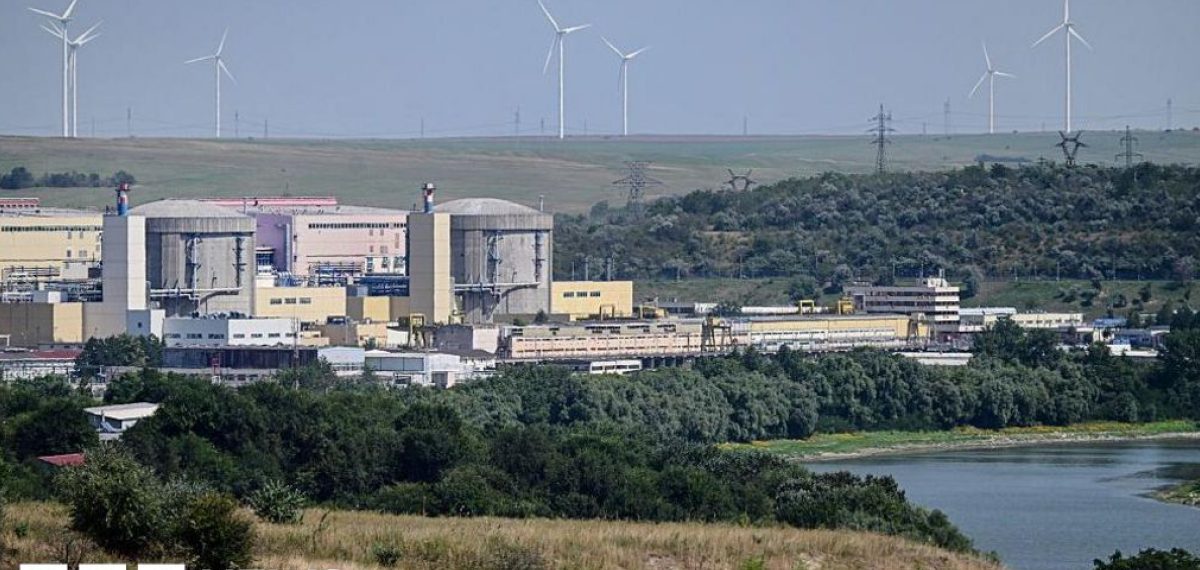
The second reactor at Romania’s Cernavodă nuclear plant was disconnected from the grid due to extremely low Danube water levels, plant director Romeo Urjan said, and officials do not expect a restart within the next 10 days.
The plant’s two reactors together supply about 20% of Romania’s electricity; the first unit had been taken offline in July and until now the station had been shut only once before, in 2003.
Authorities earlier attempted to raise water flow to the facility by sinking barges loaded with rocks into the Danube. Plant officials reported that suction nozzles could not reach the river because of the low levels.
The shutdown follows prolonged drought conditions that have driven Danube levels to their lowest in 30 years in some countries. Neighbouring Hungary has so far avoided a similar shutdown at its Paks plant, which also uses the Danube for cooling.
Romania’s substantial hydropower output has also been reduced by low river levels, and the immediate shortfall in generation is being covered by solar and wind during daytime and by imports and fossil generation in evenings, according to the available reporting.