11 Kasım 2026
açık


Pentagon secretary links Pentagon’s direction to Trump’s leadership as impeachment unfolds, examining implications for defense policy and civil-military ties.
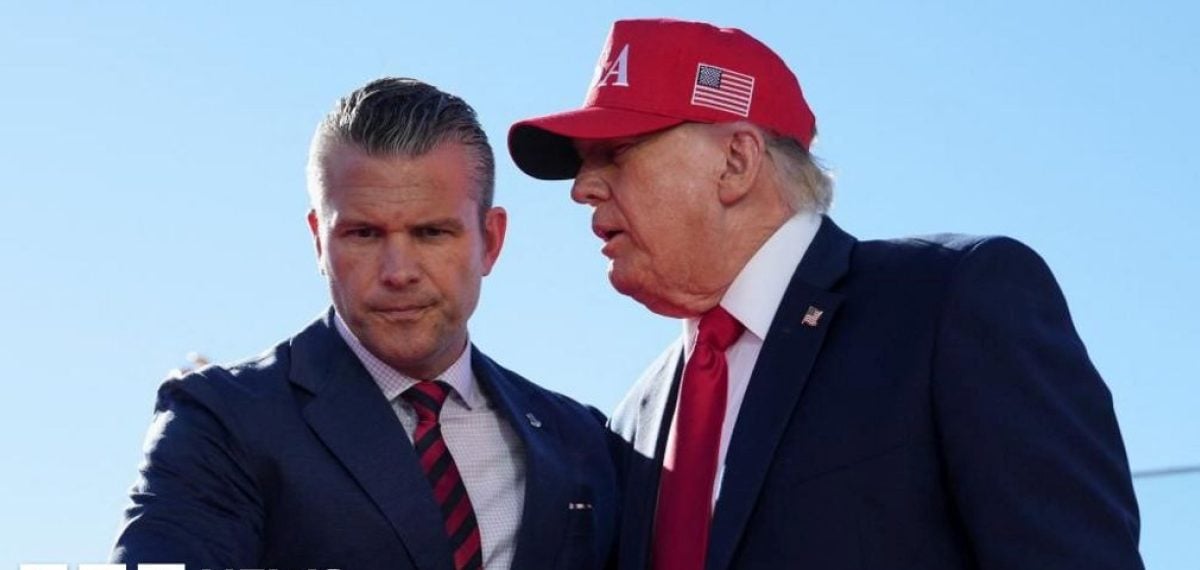
The US defense secretary held a combative news conference at the Pentagon after facing impeachment articles, framing his position as intertwined with President Donald Trump and asserting that recent military operations were ordered by both the commander in chief and himself.
During the briefing the secretary dismissed Congressman Thomas Massie as “one disgruntled and defeated congressman” and described the impeachment effort as a “farce and a stunt.” He repeatedly echoed the president’s rhetoric, including calling a past impeachment a “perfect phone call,” using the president’s exact phrasing.
The defense secretary acknowledged political fallout from the Iran war, calling it “not necessarily popular” while defending its necessity. He avoided directly contradicting Vice-President JD Vance’s assertion that the war contributed to Republican losses in recent midterm elections, and he emphasized his willingness to stand with the president despite the political risk.
The secretary’s alignment with President Trump presents the president with a dilemma: retaining him could signal disregard for voter sentiment, while removing him could be read as admitting the war is a domestic liability. The promotion of Stephen Miller to White House chief of staff was noted, along with Miller’s reported argument for winding down the Iran war, which creates some distance between the Pentagon and the president.
For now the defense secretary retains the president’s backing, but the administration faces imminent congressional votes on impeachment that may determine the secretary’s political future, with the president’s stance likely the deciding factor.
The defense secretary’s public alignment with President Donald Trump underscores a strategy of personal loyalty as political defense, yet it also highlights growing vulnerability as electoral judgments over the Iran war reshape Republican prospects. The president faces a choice that balances appearing responsive to voter discontent against the political cost of sacrificing a key ally. Congressional impeachment proceedings will test whether presidential support can withstand pressures tied to military decisions and electoral consequences.