11 Kasım 2026
açık


FDA mandates warning labels after rare reports of sudden blindness, advising clinicians and patients on risks and monitoring for vision changes.
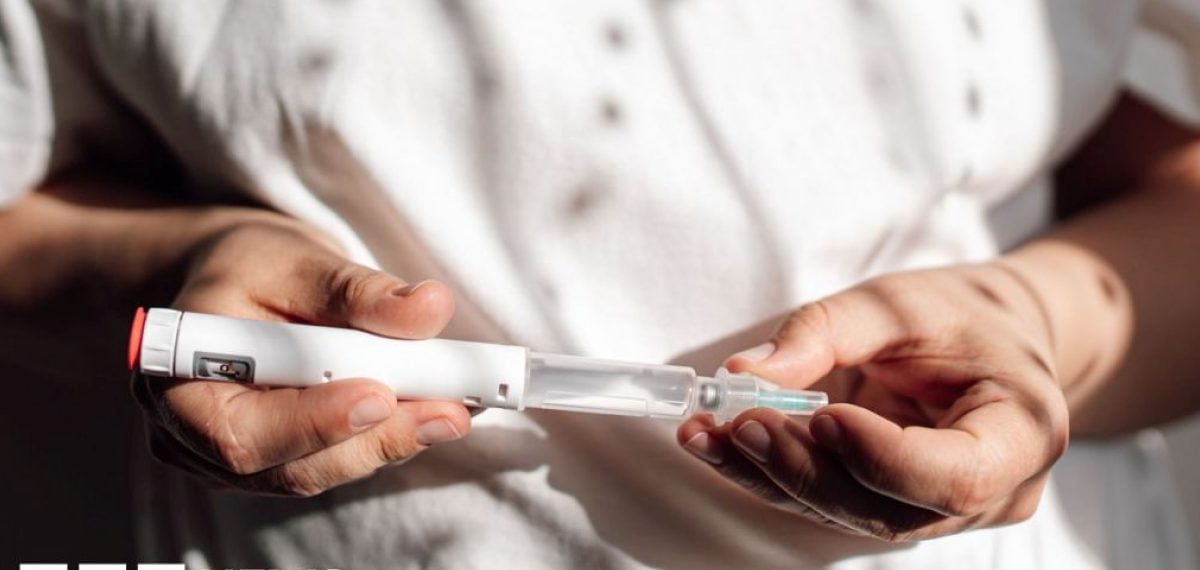
The US Food and Drug Administration has told manufacturers of widely used GLP-1 weight loss drugs to add warnings about a rare eye condition that can cause sudden blindness.
The regulator said the condition, nonarteritic anterior ischemic optic neuropathy (NAION), occurs when blood vessels supplying the optic nerves become blocked and deprive the nerves of oxygen. NAION can cause painless decreased vision in one eye that may be permanent. The FDA concluded there is an increased risk of rare NAION events among people taking the drugs after reviewing reported cases and other studies.
The American Academy of Ophthalmology said any added risk appears small and that it has not been established these medications cause NAION. The academy advised patients not to stop medication without consulting their doctor and to see an ophthalmologist promptly if they notice sudden, painless vision loss in one eye. The academy also noted there is no known treatment to reverse vision loss caused by NAION and that it is the most common cause of acute optic nerve injury in people over 50.
The FDA acknowledged review challenges because people taking GLP-1 drugs for obesity and diabetes may already have separate risk factors for NAION. The regulator said it is not known why those taking GLP-1 drugs may be more at risk for the eye condition.
The BBC contacted Eli Lilly and Novo Nordisk regarding the matter. The drugs already carry warnings for other conditions including pancreatitis and gallbladder disease, and common side effects for semaglutide include nausea, vomiting and stomach pain.
Previous assessments cited by regulators include a European Medicines Agency safety arm estimate that up to 1 in 10,000 people taking semaglutide may be affected by NAION, and a US study of 17,000 patients that found those taking semaglutide were four times more likely to be diagnosed with NAION than those not taking the drug. One author of that study, Harvard Medical School ophthalmology professor Joseph Rizzo, described the findings as significant but tentative and called for more research in a more diverse population.
The FDA decision to require warnings underscores regulator concern about a potential safety signal for NAION linked to GLP-1 drugs while acknowledging uncertainty about causation. The academyʹs guidance balances the small apparent added risk against the important benefits of GLP-1 medications for people with diabetes, obesity and heart disease. Conflicting evidence and existing patient risk factors complicate interpretation, making further research necessary to clarify the magnitude and mechanism of any drug related risk.