
10 Eylül 2026
açık


Nurse on trial for killing her three children faces jurors weighing insanity vs. murder — courtroom drama explores motive, mental state, and legal stakes.
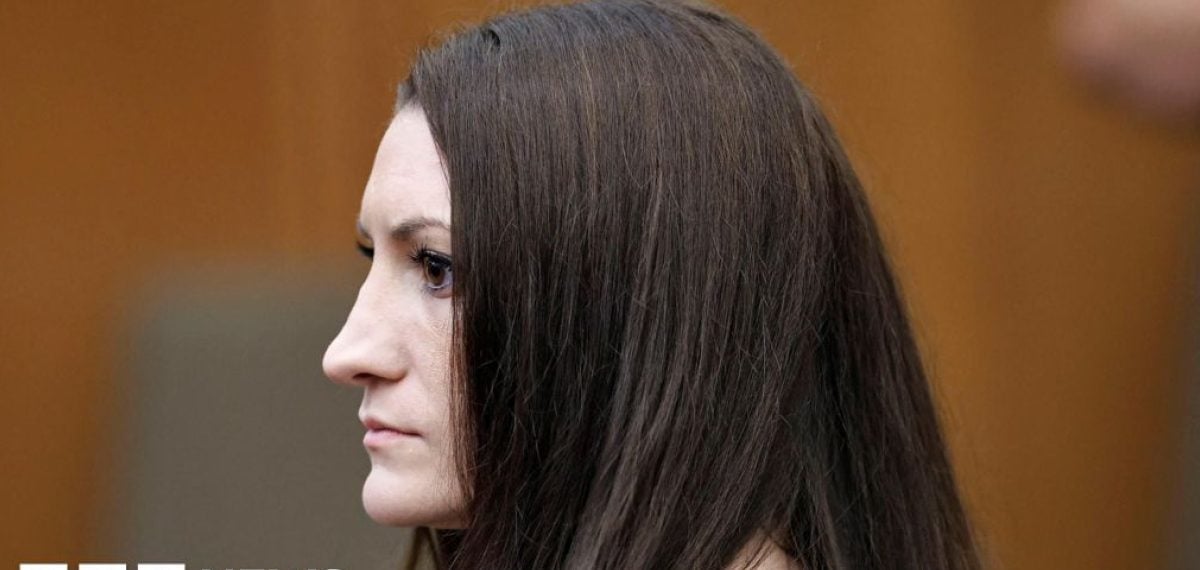
The trial of 36-year-old former nurse Lindsay Clancy, accused of killing her three young children in the basement of their Massachusetts home in January 2023, entered its sixth week as a jury continues deliberations over whether she is criminally responsible for the deaths.
Prosecutors say Clancy made a deliberate decision and knew right from wrong when she killed her two sons and daughter, while the defence argues she suffered from postpartum psychosis and could not understand or control her actions at the time.
The twelve-member jury of nine women and three men is considering multiple verdicts ranging from not guilty and not guilty by reason of insanity to first-degree murder, second-degree murder and manslaughter.
The prosecution must prove beyond a reasonable doubt that Clancy was criminally responsible when the killings occurred, either by showing she did not suffer from a disqualifying mental illness or that she still knew her actions were wrong despite any illness.
The defence presented expert testimony describing severe postpartum psychosis, including Clancy’s account of hallucinating a voice directing her to kill. Family members also testified about her mental state.
Prosecutors conceded Clancy had a mental illness but said it was not so severe as to negate criminal responsibility, and some expert witnesses challenged whether the reported auditory command actually occurred.
First-degree murder would require jurors to find the killings were intentional and premeditated, potentially involving extreme atrocity or cruelty, and carries a mandatory life sentence without parole under Massachusetts law.
Second-degree murder covers unlawful killings with malice or extreme recklessness without premeditation and also carries a life term but allows the possibility of parole.
Manslaughter, allowed by the judge as an option between the parties, applies to deaths resulting from an unintentional or reckless act and carries a maximum of 20 years in prison per count; it does not require proof of intent to kill.