
27 Eylül 2026
kapalı


Japan reports over 100,000 centenarians as its population ages, highlighting longevity trends and demographic challenges, the government ministry says.
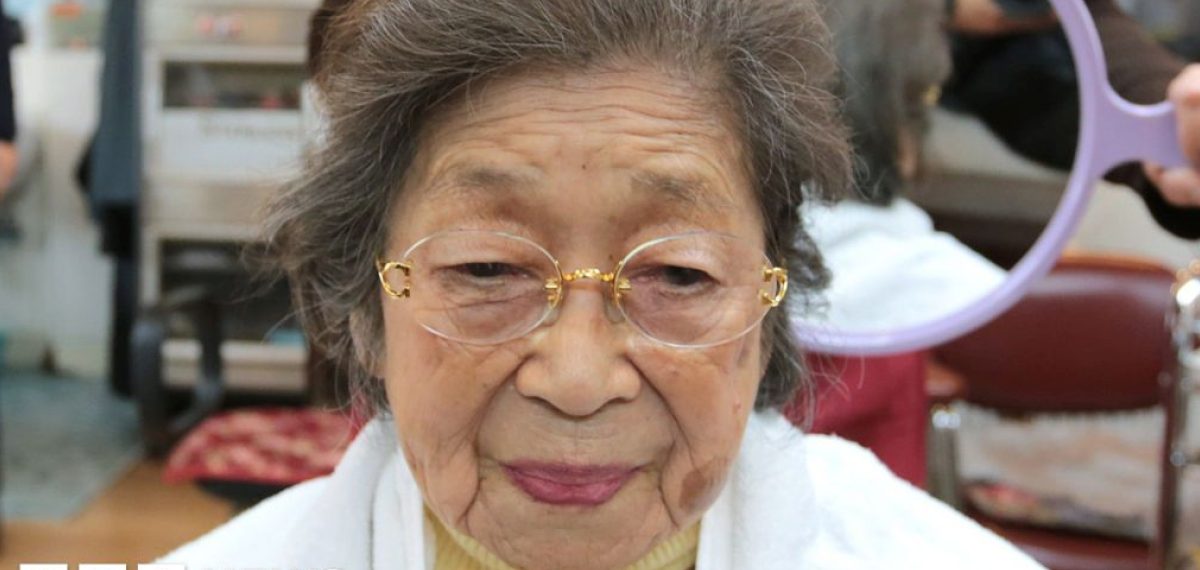
Japan now has 107,677 people aged 100 or older, the health ministry reported, with 88% of them women; the oldest woman is Kishimoto Fuyo (114) from Kyoto City and the oldest man is Kato Hikaru (112) from Kumamoto. Health Minister Kenichiro Ueno said he was “delighted” by longer, healthier lives while also noting the challenge of sustaining the social security system.
The ministry’s figures mark the first time Japan’s centenarian count has exceeded 100,000. Experts cited in the data attribute longevity to dietary patterns rich in fish, vegetables and rice, lower saturated fat intake, and active daily routines such as walking, cycling and public transport use.
Japan’s aging population has driven market and technological responses, including adult nappies outselling baby nappies for over a decade and products such as powered exoskeletons and adaptive eyewear developed for older users.
The government’s demographic data show a record-low total fertility rate of 1.14 last year and an estimated population decline to 87 million by 2070 from a 2008 peak of 128 million, based on National Institute of Population and Social Security Research figures. Residents aged 65 and older currently account for about 30% of the population and are projected to approach 40% by 2070.
Prime Minister Sanae Takichi described the decline as a “quiet emergency.” In 2025 the population fell in 45 of Japan’s 47 prefectures, with the rate of decline accelerating despite government programmes and subsidies aimed at raising birth rates; experts cited lower marriage rates, more women in the workforce and higher child-rearing costs in the ministry-released material. Immigration has risen but foreigners remain around 3% of the population.
Japan’s centenarian survey began in 1963 with 153 people aged 100 or older; the count reached 1,000 in 1981 and 10,000 by 1998. The latest figures were published ahead of the annual “Respect for the Aged” holiday, when the government honours those turning 100 with a personal letter and traditional sake cup.
Past audits have raised questions about centenarian counts: a 2010 government audit found more than 230,000 people listed as 100 or older who were unaccounted for, attributed to patchy records and possible hidden deaths in family registries. The current ministry release retains official names, ages and locations for the oldest individuals.
The ministry’s report highlights a record high of 107,677 centenarians and confirms that 88% are women; named oldest individuals are Kishimoto Fuyo (114) and Kato Hikaru (112). The data include a record-low fertility rate of 1.14 and projections from the National Institute of Population and Social Security Research estimating a fall to 87 million by 2070 and an increase in the 65-plus share toward 40%. The report notes demographic shifts across prefectures in 2025 and references governmental measures for families alongside rising immigration that still leaves foreigners at about 3% of the population.