30 Eylül 2026
kapalı


Japan boosts economic ties with India via $12.5B in new corporate deals, accelerating investments, jobs and strategic collaborations.

Japan intensified its economic engagement with India as companies unveiled $12.5bn in investments and officials reported expanding bilateral commercial ties during recent high-level visits, highlighting growing private-sector momentum in areas from retail to financial services.
Commerce Minister Piyush Goyal led India’s largest-ever business delegation to Japan as Japanese consumer brands such as Uniqlo, Muji and Onitsuka Tiger expand across Indian cities. Nitori has entered the market and Lawson plans store expansion beginning in Mumbai, while Japanese banks pursued significant stakes in Indian finance, including MUFG Bank’s $4.4bn acquisition of a 20% stake in Shriram Finance and SMBC becoming Yes Bank’s largest shareholder with 24.22%.
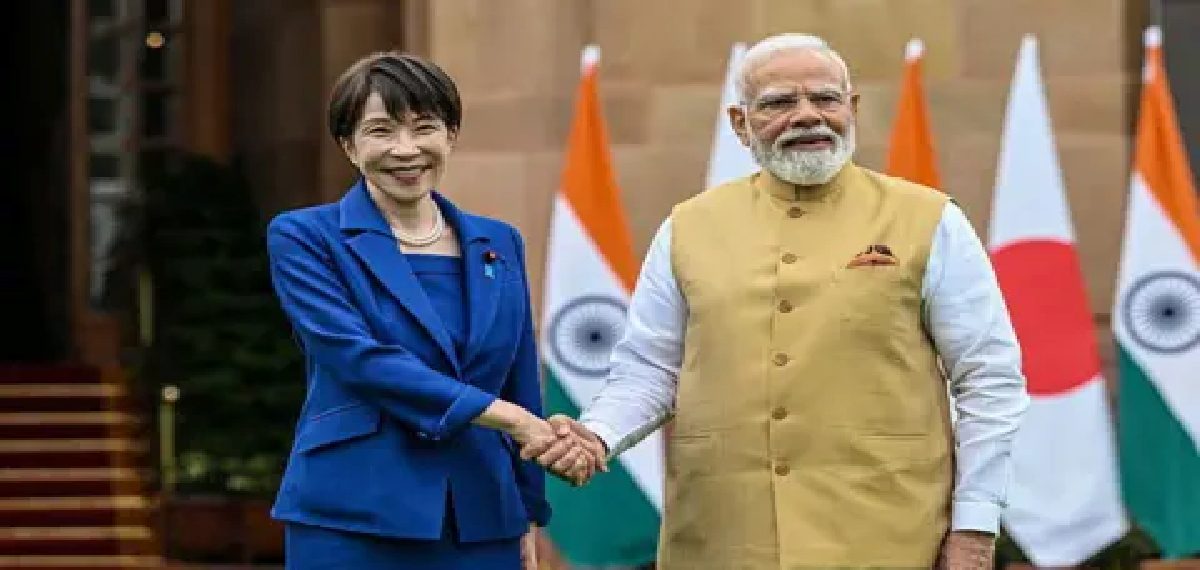
More than 100 Japanese firms now operate global capability centres in India, according to a Deloitte report, supporting functions from R&D to artificial intelligence development. Private Japanese investment commitments announced during Prime Minister Sanae Takaichi’s visit included about 120 agreements spanning semiconductors to green energy.
Officials said earlier trade liberalisation and a elevated “special strategic and global partnership” since 2014 set targets to increase Japanese corporate presence and enabled projects such as the Mumbai–Ahmedabad bullet train built with Japanese Shinkansen technology.
Japanese corporations announced $12.5bn in investments through roughly 120 agreements during Prime Minister Sanae Takaichi’s visit. Major financial transactions cited include MUFG Bank’s $4.4bn purchase of 20% of Shriram Finance and SMBC’s 24.22% stake in Yes Bank. Deloitte data indicates over 100 Japanese firms operate global capability centres in India, while Japanese companies across retail, banking and manufacturing are actively expanding their Indian footprint.
Commentators in the report noted Japanese firms are diversifying markets amid reduced investment into China and other constraints, with private-sector deals now driving the latest investment cycle.