01 Ekim 2026
az bulutlu


Parliament speaker Ghalibaf said if Iran cannot sell oil, “no one in the region will sell oil,” as the IRGC called Trump “a big liar,” said US bases were the “only source of insecurity” in the region and warned new weapons were being prepared for the battlefield.
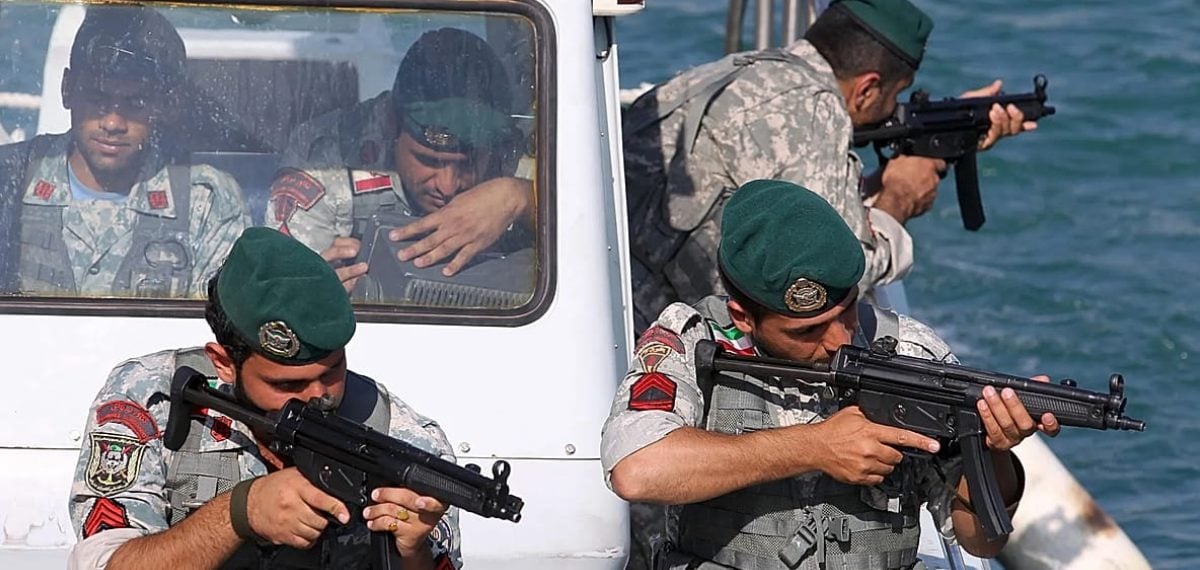
Iran’s parliament speaker Mohammad Bagher Ghalibaf has warned that any attempt to obstruct the country’s energy exports would have consequences across the region, as the Islamic Revolutionary Guard Corps (IRGC) stepped up its rhetoric against US President Donald Trump and said it was preparing new weapons.
“If Iran cannot sell its oil, no one in the region will sell oil, and if our security is not guaranteed, no infrastructure will be safe,” Ghalibaf said during an online parliamentary session on Tuesday.
He also warned Washington against what he described as “miscalculations”.
Ghalibaf said the Iranian people should not be intimidated by blockades or threats, adding that if the United States failed to understand what he described as a fundamental reality, it would continue to face “heavy blows” from Iran.
IRGC spokesman Hossein Mohebi, speaking at a press conference with foreign media on Tuesday, described Trump as “a big liar” and called for US forces to leave the Middle East.
Mohebi also said Iran was continuously developing and producing new weapons.
“We are constantly designing new weapons, upgrading existing ones and mass-producing armaments to defend ourselves,” he said.
“If the confrontations take on a different shape, we will certainly bring new weapons into the field.”
Ebrahim Azizi, head of parliament’s National Security Committee, separately said Iran was fully prepared for a conflict more intense than what he called the “40-day war”.
Mohebi said US military bases were “the only source of insecurity” in the region and pointed to what he described as “long-standing bonds” between Iran and 15 neighbouring countries.
Relations with those countries have come under strain since US and Israeli strikes against Iran in late February, which marked the opening phase of the war.
Iran subsequently carried out retaliatory actions that included strikes on the territory of neighbouring countries, disruption to shipping and the closure of the Strait of Hormuz.
Iranian officials have maintained that their attacks have targeted only US military assets.
Anwar Gargash, diplomatic adviser to the president of the United Arab Emirates, recently said in Dubai that relations with Tehran should continue, but that trust damaged by attacks in the Gulf would take years to rebuild.
Mohebi also rejected claims that Iran was only weeks away from developing a nuclear weapon, describing such statements as “the same lie that has been propagated for 25 years”.
The International Atomic Energy Agency has not reached an agreement with Tehran on the redeployment of inspectors or the resumption of monitoring.
Since Mojtaba Khamenei was selected as the Islamic Republic’s new ayatollah, figures within Iran’s political establishment have increasingly raised the possibility of reviewing the country’s nuclear doctrine.
That prospect has drawn international concern.