01 Ekim 2026
az bulutlu


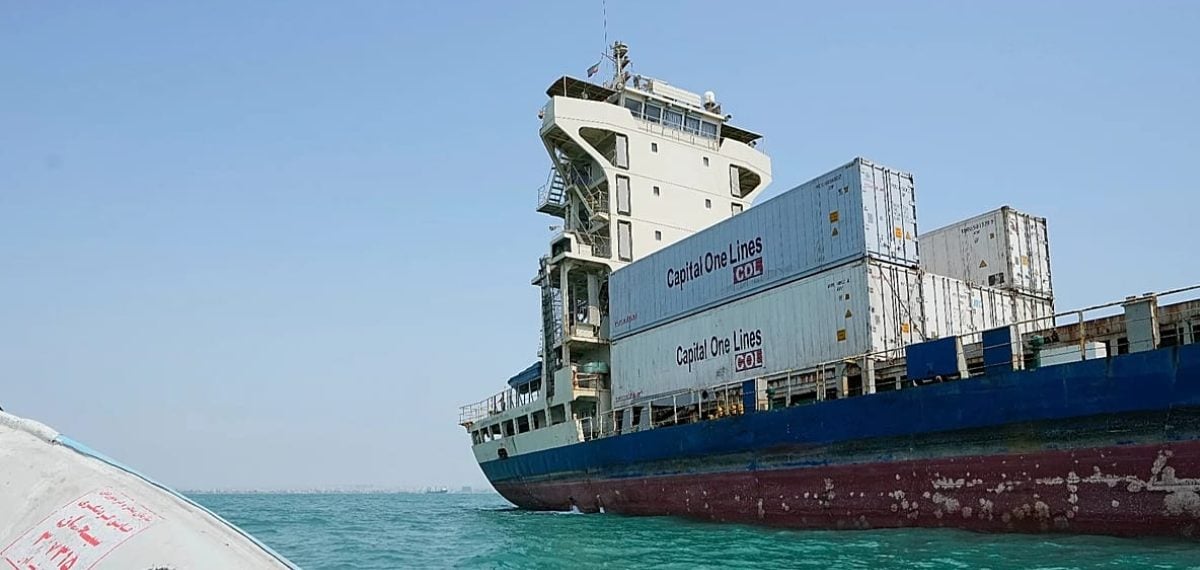
The war has choked shipping through Hormuz and disrupted Gulf exports. Qatar said it has continued to mediate between Washington and Tehran, warning that the fallout has now affected multiple sectors and not just energy.
Qatar has warned that the war involving Iran is placing an “unbearable” strain on the global economy, while saying talks aimed at reaching an agreement were continuing and Doha had resumed its mediation efforts between Washington and Tehran.
Foreign Ministry spokesman Dr Majed Al Ansari questioned how long the international economy could withstand the consequences of the conflict.
“How long can the international economy withstand the results of what is happening in our region?” Al Ansari said at a press briefing in Doha on Tuesday.
Asked about the prospects of an agreement, he said negotiations inevitably faced obstacles and that Qatar’s role was to help overcome them and narrow differences between the two sides.
Al Ansari said meetings had been held in recent days and that Qatar had been passing messages between the parties. He declined to say how far the negotiations had progressed.
He warned that another escalation would increase hardship across the region. Despite Qatar being hit by missiles from Iran, he said Doha remained committed to pursuing a peaceful resolution.
Al Ansari said the Gulf states, Iraq and Jordan had not chosen to participate in the conflict between Iran and the United States and had no separate dispute with Tehran that needed to be resolved.
“This is an aggression, an unwarranted aggression against our countries,” he said, adding that Iran needed to make clear it would not attack neighbouring countries that had not joined the war.
Despite the attacks, Qatar has maintained contact with Iran as it seeks to mediate an end to the conflict.
Al Ansari said a lasting settlement would also require regional security arrangements based on coexistence and non-aggression.
For now, Doha is seeking to bring the parties closer to an agreement while working to restore freedom of navigation through the Strait of Hormuz, he said.
Qatar has repeatedly said that full freedom of navigation should be restored as part of any peace agreement between Washington and Tehran.
Al Ansari said the Gulf’s exports to global markets extend well beyond oil and natural gas.
The region also supplies urea and ammonia, which are important for agriculture and fertiliser production, as well as helium, petrochemicals and aluminium.
He warned that disruptions could affect crop yields in vulnerable countries and contribute to increased coal consumption in countries that had previously been reducing their use of the fuel.
The pressure on the global economy could become even greater as winter approaches, he said.
The war began with joint US-Israeli strikes on Iran in late February and has severely disrupted shipping through the Strait of Hormuz, a crucial route for exports from the Gulf.
Qatar continues to push for the restoration of unrestricted navigation through the waterway as part of efforts to end the conflict.