18 Eylül 2026
açık


Iran tightens control in Hormuz, asserting maritime authority after a truce—escalating regional tensions and strategic oversight.
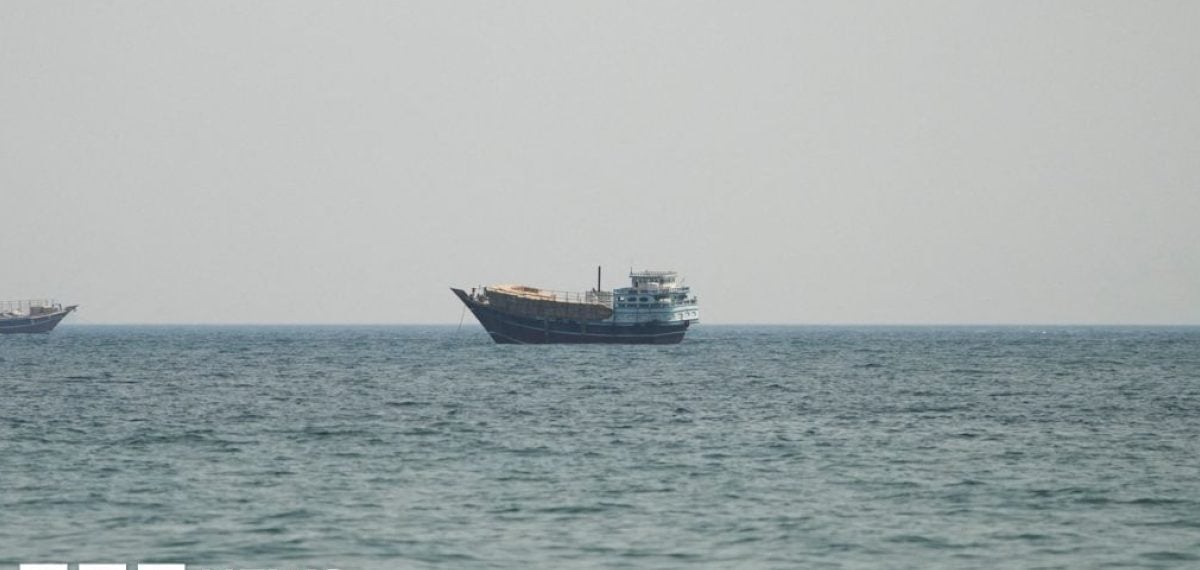
The US-Iran tentative truce reached last month is under strain as Tehran presses to formalize authority over the Strait of Hormuz, Iranian negotiators and parliament sources said, raising the prospect of renewed maritime confrontation even as mediators work to prevent a wider war.
Negotiators cite point five of the 14-point memorandum of understanding—”The Islamic Republic of Iran will make arrangements using its best efforts for the safe passage of commercial vessels”—as justification for measures that would channel vessels along Iran-designated routes. US officials interpret the same clause as an obligation for Iran to guarantee free passage for global energy and commodity shipments.
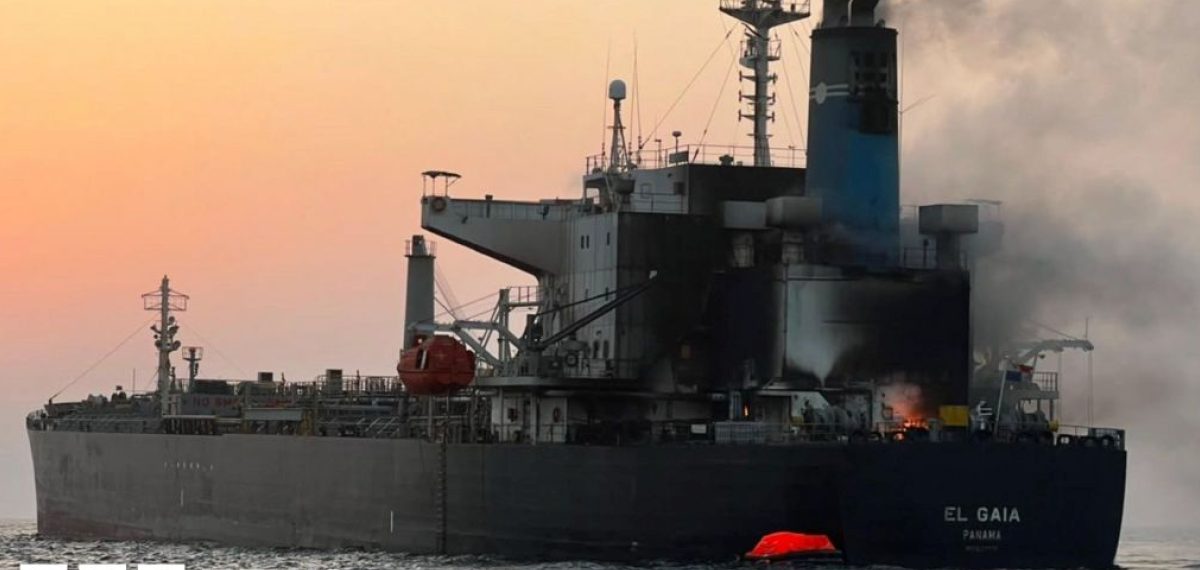
Diplomatic sources said recent attacks on three commercial vessels, including a Qatari-flagged LNG tanker near Oman’s coast, were carried out by a “rogue unit” inside the Islamic Revolutionary Guard Corps (IRGC). Tehran’s parliament meanwhile introduced a bill titled Strategic Action for the Security and Sustainable Progress of the Strait of Hormuz and the Persian Gulf to regulate traffic and maritime services.
Iranian lead negotiator Mohammad Bagher Ghalibaf has publicly framed the issue as non-negotiable, telling domestic audiences that control of the waterway is an “asset to face the enemy.” Officials in Oman, Qatar and the UAE have pushed back, objecting to elements of the agreement that would let Iran unilaterally define administration and charge for services.
Analysts warn the dispute risks unraveling the fragile ceasefire. Some factions in Tehran favor converting battlefield gains into diplomatic leverage; others argue the truce arrived before Iran had maximized pressure on US interests. Both Washington and Tehran privately calculate they hold the upper hand, a dynamic that deepens the risk of miscalculation.
Control of the Strait of Hormuz would give Iran sustained leverage over global energy flows and a bargaining chip far beyond the immediate ceasefire. Economically, even limited interruptions or new fees could spike shipping costs and insurance premiums, ripple into regional markets and accelerate inflationary pressures already evident inside Iran.
Politically, attempts to institutionalize authority over the strait undermine Gulf neighbors’ confidence—especially Oman and the UAE—and complicate mediation efforts by Qatar and other states. For the US and its partners, the dilemma is balancing deterrence against escalation while preserving freedom of navigation for critical energy supplies.
Domestically in Iran, the move serves regime priorities: offset sanctions, signal strength to a population battered by war, economic collapse and domestic unrest, and bind the IRGC’s influence into formal state policy.
Operationally, the presence of IRGC units willing to act independently increases the chance of incidents at sea that could trigger broader military responses despite diplomatic channels remaining open.