16 Kasım 2026
parçalı bulutlu


Massive drone barrage strikes Russia and Crimea, damaging infrastructure and escalating regional tensions amid ongoing conflict.
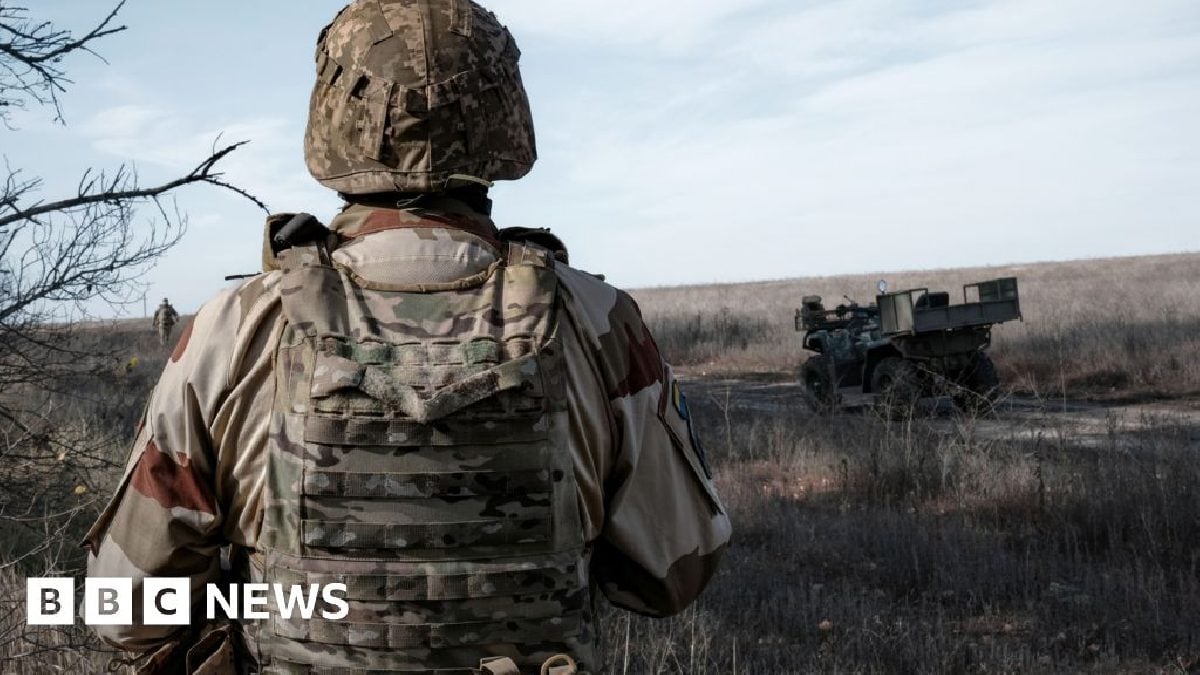
Russian officials reported the largest Ukrainian drone attack since the war began, saying air defences intercepted 2,049 drones and four Flamingo long-distance missiles over 24 hours while several oil refineries and the Crimean Bridge sustained damage.
The authorities said around 600 drones flew toward Moscow, prompting intense air defences and multiple interceptions, and that Moscow experienced significant aerial activity during the reported period.
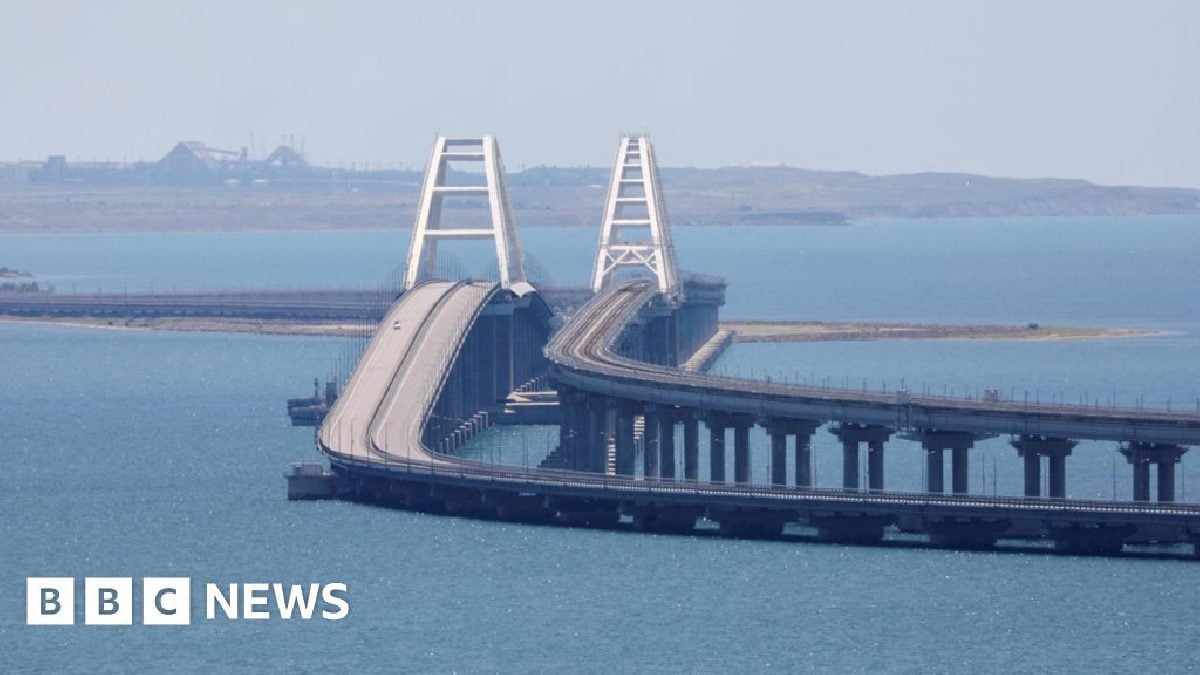
Local reports from Crimea indicated strikes on the Kerch Bridge led to traffic restrictions and damage attributed to falling warhead debris, according to pro-government military commentators. No comment was given by Ukraine’s domestic security service or its main military intelligence directorate in response to requests.
Ukrainian forces were also reported to have struck energy facilities, including an oil refinery in Ilsky in the Krasnodar region, where debris caused a fire and six people were injured, including children.
Meanwhile Kyiv recorded a record 17 air raid alerts in one day as Russian strikes killed at least seven people and caused blackouts affecting 50,000 residents due to damage to energy infrastructure.
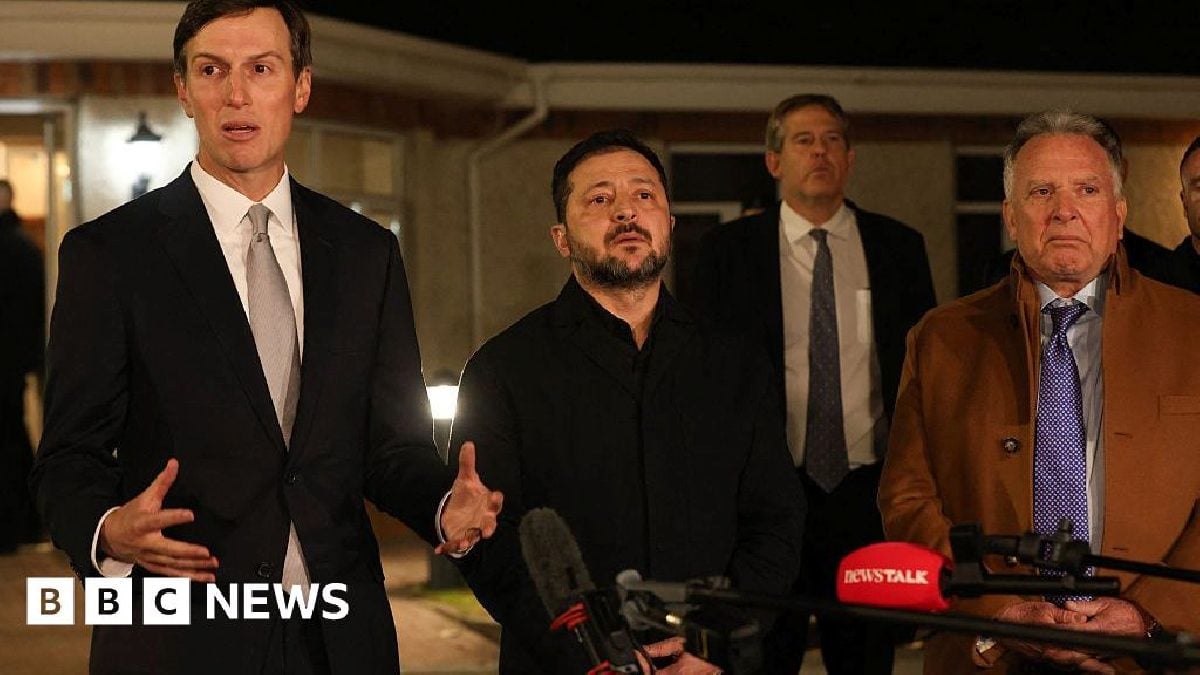
Diplomatic activity continued amid the attacks, with US, Ukrainian and Russian envoys holding talks aimed at ending the war and senior US envoys visiting both Vladimir Putin and Volodymyr Zelensky, though Russian demands for territorial concessions and Ukrainian neutrality remained obstacles to progress.
European representation in future talks was outlined as a team of six consisting of Britain, France, Germany, Italy, Poland and a representative of the EU institutions, while the Kremlin indicated reservations about European influence on the peace process.
The scale of the reported drone barrage underscores an escalation in long-range unmanned strikes that has directly affected strategic infrastructure across Russian-controlled and Russian mainland regions, including bridges and energy facilities.
The simultaneous targeting of transport links and energy plants indicates a pattern aimed at disrupting mobility and critical services, as evidenced by traffic restrictions on the Kerch Bridge and widespread power outages affecting tens of thousands of civilians.
The continuation of high-level diplomacy amid ongoing strikes reflects a complex interplay between battlefield actions and negotiations, with stated positions on territorial and security demands creating a challenging environment for immediate progress toward a ceasefire.