17 Kasım 2026
parçalı bulutlu


Opposition labels Netanyahu’s proposed election changes an attempted coup, warning of threats to democracy and urgent calls for legal and civic resistance.
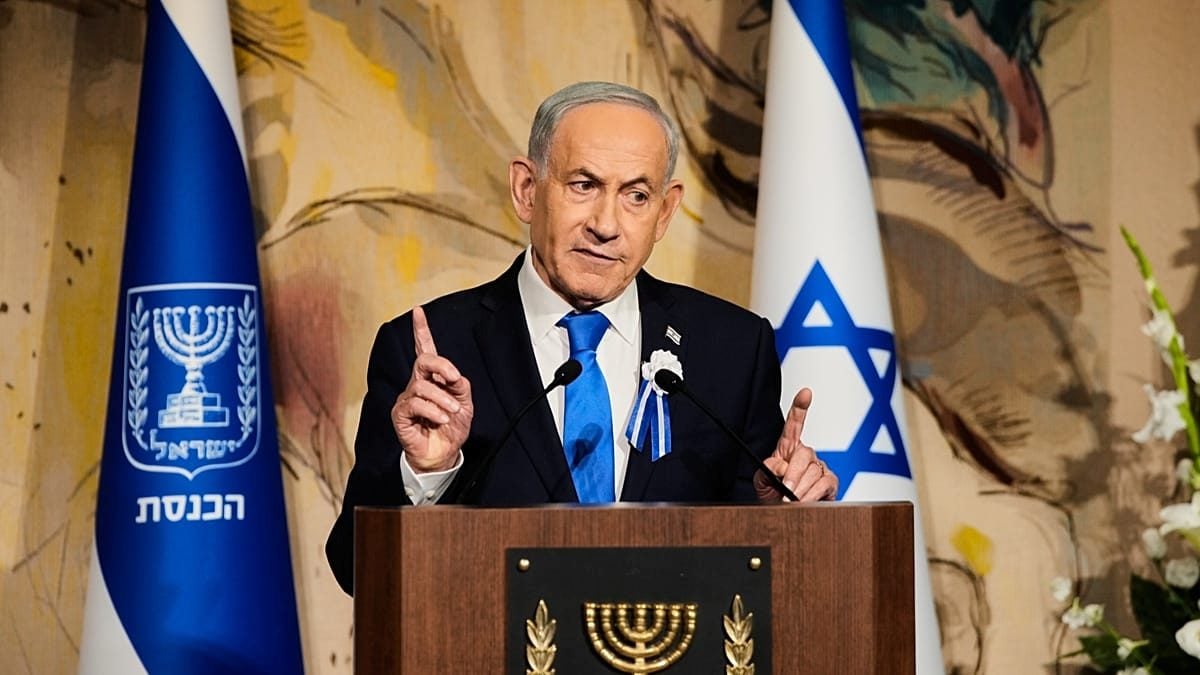
In Jerusalem on the eve of the 27 October election, reports emerged that outgoing Prime Minister Benjamin Netanyahu’s office sought to implicate members of the Arab-Israeli Raam party, prompting strong denunciations from opposition figures and calls for investigation.
Israel’s Channel 12 reported that Netanyahu’s chief of staff Ido Norden contacted police with a complaint about Raam members and referenced a purported intelligence source, identified as a former employee of Netanyahu’s office, whose information led to the arrest of three Raam members. The three men were later released when police concluded the information was unfounded.
Following the reports, Yair Lapid condemned the actions as an “attempted coup” and asserted that emerging details show the effort went beyond disrupting the vote. Joint List leader Yousef Jabareen also described the incidents as an “attempted coup by Netanyahu” and called for accountability if findings are confirmed.
The newspaper Haaretz reported separately that David Zini, head of the Shin Bet domestic security service, sought authorization to wiretap leaders of the Joint List, but the attorney general rejected the request for lack of evidence. Raam’s number two Yoav Segalovitz urged an urgent, independent and thorough criminal investigation reaching everyone involved, at every level and in every role.
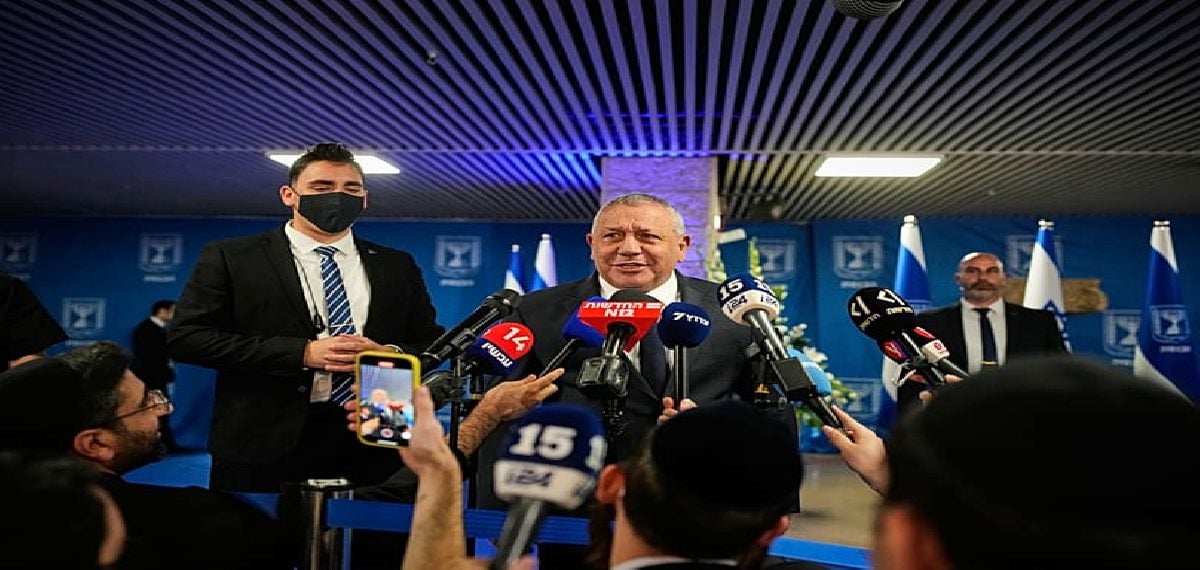
Netanyahu subsequently accused Arab parties of electoral fraud after they won a record number of seats, while his Likud party denied the latest allegations. Gadi Eisenkot stated that the caretaker prime minister “cannot remain at the head of the government for a minute longer”.
No bloc, including Netanyahu’s supporters and Eisenkot’s opposition, secured the 61 seats required to form a government after the election. The Joint List and Raam have indicated support for Gadi Eisenkot, who was tasked by President Isaac Herzog with forming a government.
The reports suggest a serious breach of trust between state institutions and political actors, with allegations that elements within the prime minister’s office attempted to use law enforcement and security channels against political opponents. The release of the three Raam members after police deemed the information unfounded raises questions about the sources and motives behind the complaint attributed to Ido Norden.
The attorney general’s refusal to authorize wiretapping of Joint List leaders indicates legal safeguards were applied in at least one instance, yet the reported attempts to involve the security services point to potential politicization of intelligence and policing ahead of a consequential election.
Political reactions from Yair Lapid, Yousef Jabareen and Yoav Segalovitz underscore the gravity of the allegations and the demand for independent investigation and accountability of those implicated, including calls directed at Benjamin Netanyahu. The political impasse following the election, with no clear majority to form a government, frames these developments as consequential for both governance and public confidence in electoral integrity.