13 Ağustos 2026
açık

Former Chinese Premier Zhu Rongji, 97, dies; remembered for steering economic reforms that propelled China’s modernization and global rise.
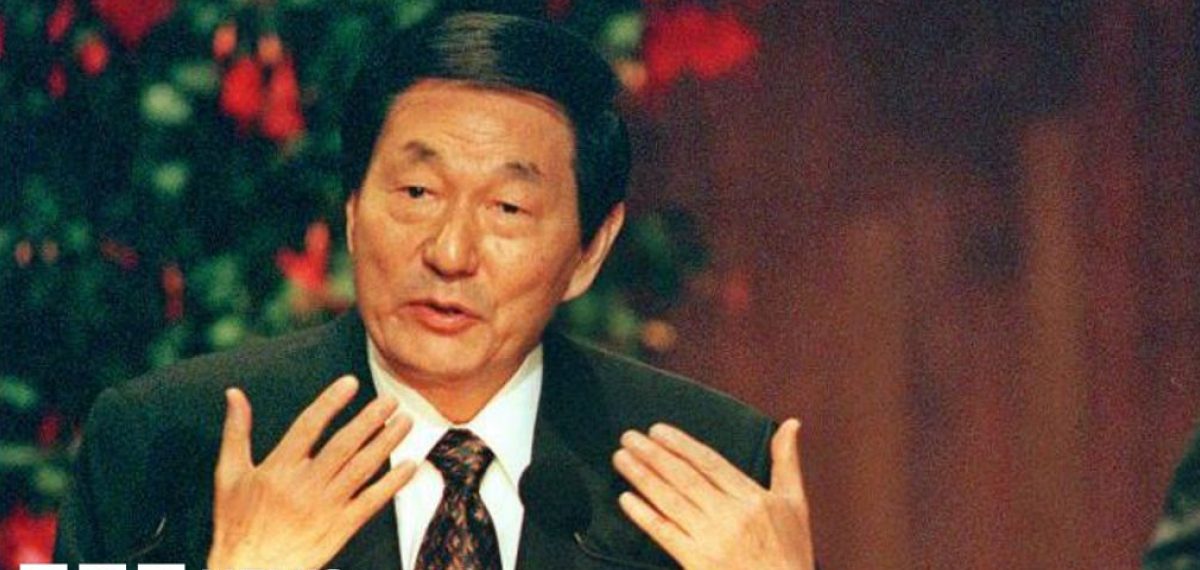
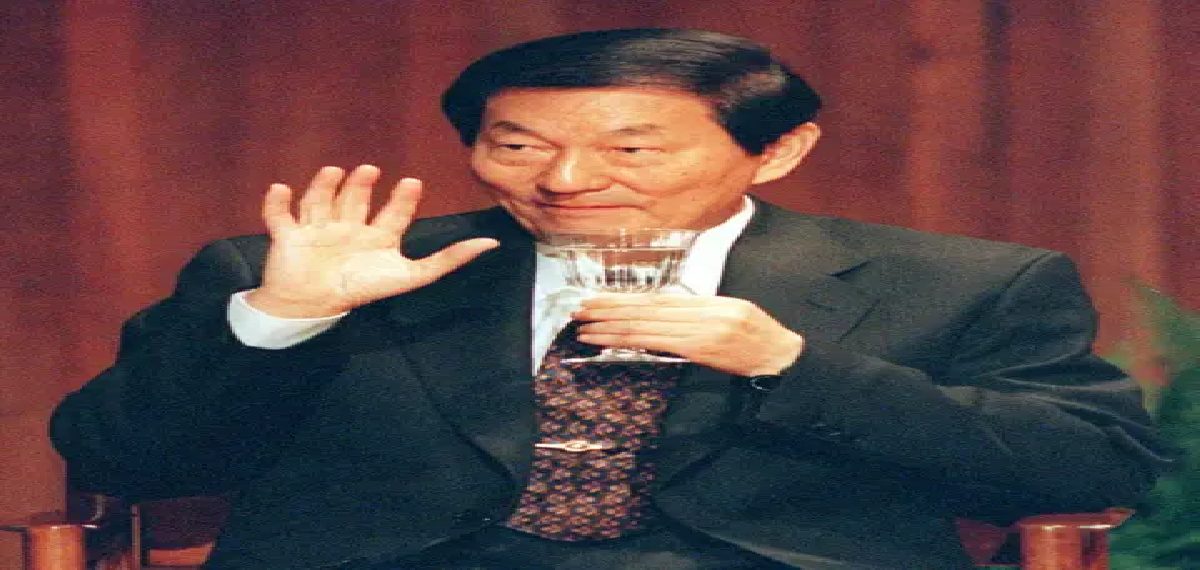
Former Chinese Premier Zhu Rongji has died at the age of 97, state media announced, marking the passing of a leading architect of China’s economic transformation who served as premier from 1998 to 2003 and played a central role in securing the country’s accession to the World Trade Organization.
Zhu was credited with opening Chinese factories to global markets, attracting foreign investment and implementing major reforms such as shifting tax powers to the central government, closing or privatising failing state firms and promoting home ownership.
His term included efforts to stabilise the economy and address corruption, but also coincided with large-scale layoffs—about 30 million over five years—as state firms were restructured, and rising inequality amid rapid growth.
Zhu was born in Hunan province in 1928, earned a degree in electrical engineering and joined the Communist Party in 1949. He was purged twice—first after criticising Mao Zedong’s economic policies and again during the Cultural Revolution—before returning to government and rising to vice-premier by 1991 and premier in 1998.
He led difficult negotiations that resulted in China joining the World Trade Organization in 2002. State media described him in its obituary as an “outstanding member of the Communist Party of China and loyal Communist fighter” and “an outstanding leader of the Party and state.”
Zhu Rongji is presented in state accounts as a decisive reformer who guided China’s integration into global trade and pursued structural economic changes. The report highlights both his role in China’s rapid industrial expansion and the social costs noted in the original text, including mass layoffs and growing inequality.