
12 Eylül 2026
açık


Typhoon Maysak triggers severe flooding and tornadoes, displacing tens of thousands across Guangxi and Hubei; emergency response underway.
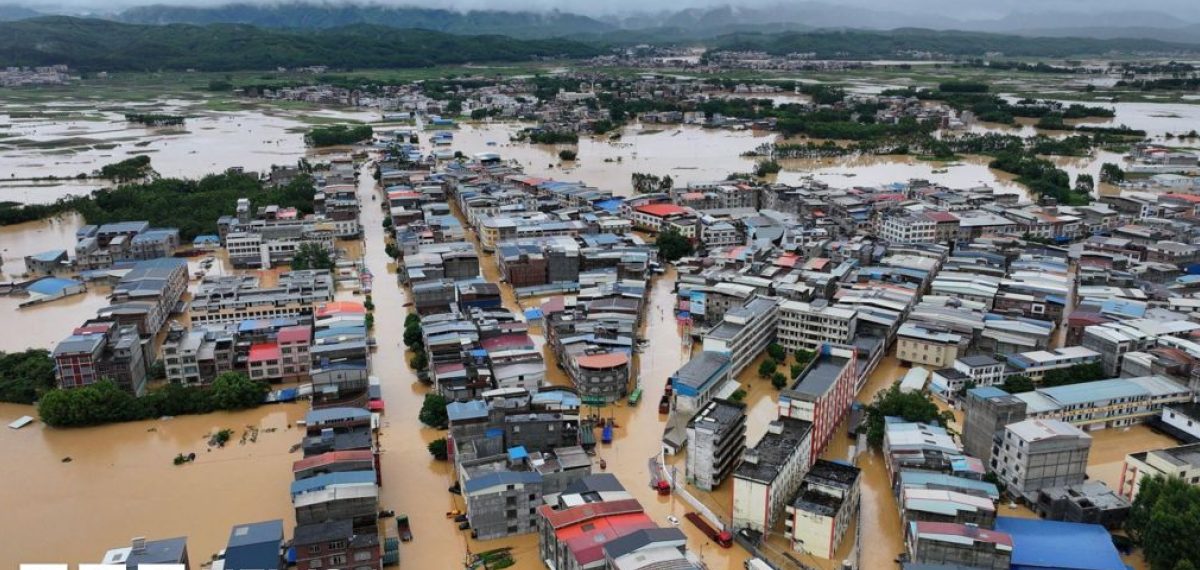
Heavy rain from Typhoon Maysak flooded Renhe village and parts of Nanning in Guangxi province on Sunday into Monday, state media and local residents told reporters, leaving at least four people dead and tens of thousands displaced.
The storm caused rivers to swell and dam walls to break, rapidly submerging first floors and forcing residents onto rooftops; officials reported about 60,000 people evacuated and approximately 90,000 affected in the region.
Villagers described the sudden onset of flooding that left little time to gather food or belongings. Zhou, a resident now in another province, said some family members remain trapped in Renhe with limited supplies and that her four-month-old niece has gone more than a day without milk.
State authorities said rescue and relief operations were ordered by President Xi Jinping, who emphasized treating the injured and resettling affected residents. Local teams wearing life vests and helmets have been using inflatable boats, though officials warned that extremely heavy rain could hinder efforts.
In addition to flood damage, officials and meteorologists reported that Maysak’s interaction with cold northern air generated severe thunderstorms and at least two tornadoes in Hubei province, where authorities confirmed 11 fatalities and widespread property damage.
Videos circulated on social media showed strong winds overturning outdoor furniture and shattering windows in cities such as Ezhou and Huanggang; local reports said a man in Huanggang fell 12 storeys after being blown out of an apartment and is in intensive care.
Residents also raised concerns about escaped snakes from farms and wild snakes in floodwaters. State media showed footage of villagers alarmed by a large black snake inside a mud-covered house.
Other parts of China experienced extreme weather in recent days, including flash floods in Tongliao, Inner Mongolia, which killed two cattle farmers, and record rainfall in Fushun that left three people dead, according to state media.
Communication outages and power losses have left many families unable to contact loved ones. Some survivors reported swimming through floodwaters to check on relatives, while others remain unreachable and dependent on rescue teams for evacuation and supplies.