31 Ağustos 2026
parçalı az bulutlu


Paris couple conceived via same donor confirm DNA tests show no biological relation, easing concerns after family planning mix-up.
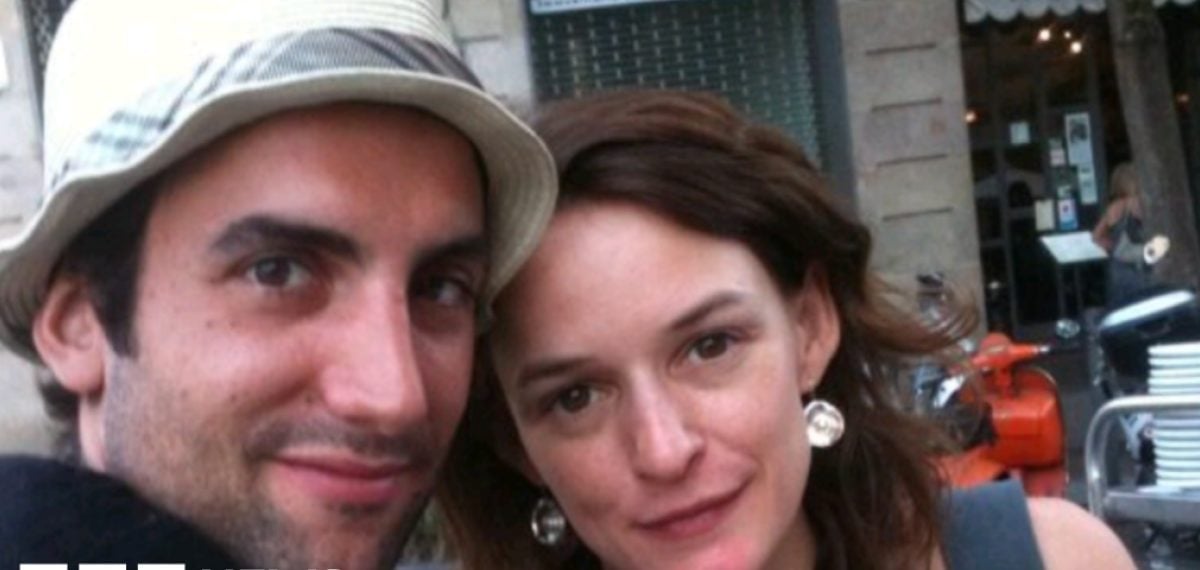
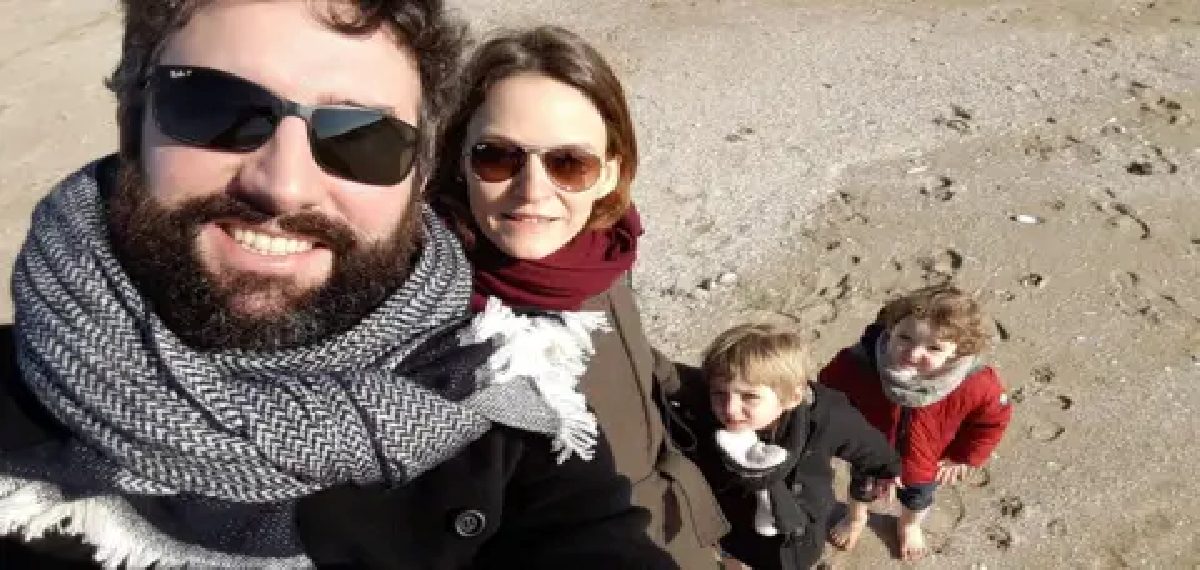
Arthur Kermalvezen and Audrey, both conceived via sperm donation in Paris, discovered through medical and later at-home DNA testing that they are not biological half-siblings, resolving a long-standing uncertainty that threatened their relationship and family plans.
Both born before France’s 1994 donor-anonymity law, the couple faced legal barriers to accessing information about their donors. A southern France doctor performed a supervised genetic test for €900 in cash that indicated they were not related, but the result raised concerns because the doctor disclosed information in a manner that contravened French rules on genetic testing.
Audrey, a lawyer specializing in bioethics, pursued legal challenges from 2010 seeking non-identifying information about her donor, including donation frequency and whether Arthur might be a half-sibling; her appeals were ultimately rejected by France’s highest administrative court in 2015. Shortly before the birth of their first child, another doctor accessed donor data and confirmed the donors were born in different years, a detail that meant they could not be the same man.
After years of hesitation, Arthur and Audrey took an at-home DNA test alongside eight other donor-conceived activists; the test corroborated that they were not related and additionally revealed broader donor links among the group. The results led Arthur to contact his donor on Christmas Day 2017, while Audrey discovered a biological sister among her DNA matches and later traced her donor — identified as Philippe — who had died before contact; Philippe’s family welcomed Audrey and shared photos and medical history.
Both legal obstacles and informal testing routes shaped the couple’s search for origins: restrictive French rules limited access to genetic testing and donor identity, but medical practitioners and cross-border or at-home DNA tests provided practical paths to answers. The couple’s experience highlights how donor-conceived individuals born before 1994 navigated a mix of legal denial and informal disclosure to confirm biological relationships and obtain medical history.
Their case also contributed to advocacy that influenced legislative change: reforms now allow people conceived after April 2025 to access identifying donor information at adulthood, while at-home DNA testing remains effectively restricted in France.