06 Kasım 2026
parçalı az bulutlu


Democratic sweep heightens uncertainty for U.S. crypto rules as lawmakers push the Clarity Act amid regulatory debate and market implications.
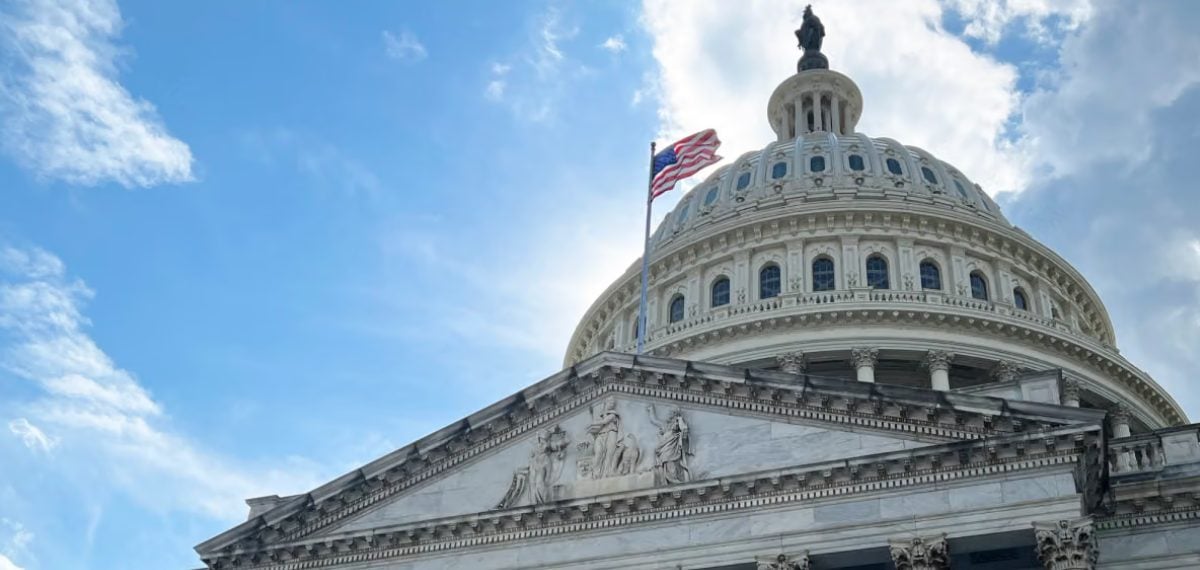
The prospect of a definitive U.S. regulatory framework for cryptocurrencies suffered a major setback after Democrats reclaimed control of both chambers in the midterm elections. What many in the industry hoped would be forward momentum for the Clarity Act now looks far less likely to advance in its current form.
The legislative landscape has shifted rapidly. Observers note that the Clarity Act failed to clear a procedural vote when Republicans controlled Congress, and with Democrats back in charge, proponents face the prospect of rebuilding support from scratch. Some industry analysts describe the bill as effectively stalled.
Crypto-aligned political action committees invested heavily in the election cycle—roughly $170.5 million by some counts—with a large fraction aimed at securing a friendlier lawmaking environment. Despite that investment, the bill’s momentum stalled, and observers say the industry must now reassess its strategy for gaining legislative clarity.
Key voices in the space characterized the outcome differently: some see the Clarity Act as “dead in the water” without substantial revision, while others point out that prior bipartisan support among House Democrats suggested the law could have longevity if retooled to address conflicts of interest and regulatory concerns.
A major sticking point has been a dispute between banks and crypto firms over whether exchanges should be permitted to offer rewards on dollar-backed stablecoins. Banks worry such programs would draw deposits away from traditional accounts, and lawmakers had not resolved this conflict while Republicans held power.
Legal and regulatory developments continue alongside these political debates. For example, the Commodity Futures Trading Commission recently allowed single-stock perpetual futures on qualifying U.S. exchanges, even as judicial questions have arisen about whether such products fall within CFTC authority. Perpetual futures—contracts that let traders maintain positions without owning the underlying asset or closing at a fixed date—are expanding beyond crypto into equities and other markets.
With Democrats in control, many expect increased congressional scrutiny of crypto companies and high-profile figures connected to the industry. Anticipated probes are likely to focus on money laundering, cybersecurity, consumer protection and potential conflicts tied to public figures’ crypto dealings.
Some industry leaders view regulatory oversight as an opportunity to weed out bad actors and thereby broaden mainstream acceptance, provided lawmakers adopt measured, targeted enforcement rather than punitive blanket rules. Others predict aggressive investigations into specific firms and products—especially tokenized stock offerings—which could prompt intense scrutiny of platforms that have pushed into these services.
Short term: legislative prospects for the Clarity Act are dimmer without significant revision or new bipartisan compromises. Companies that had banked on the bill’s passage must now prepare for prolonged uncertainty and potential regulatory inquiries.
Medium to long term: despite the political headwinds, market innovation is likely to continue. Products such as perpetual futures may expand across asset classes, and crypto firms that align with stronger compliance and consumer-protection frameworks may find renewed access to mainstream markets.
Overall, the election outcome has complicated the path to a unified U.S. crypto regime: it reduces the likelihood of the Clarity Act’s immediate passage while increasing the chance of heightened oversight and a slower, more incremental approach to regulation.