19 Ekim 2026
kapalı


China’s Q3 growth hits 4.5% driven by export strength while domestic demand lags, raising questions about sustainable recovery and policy responses.
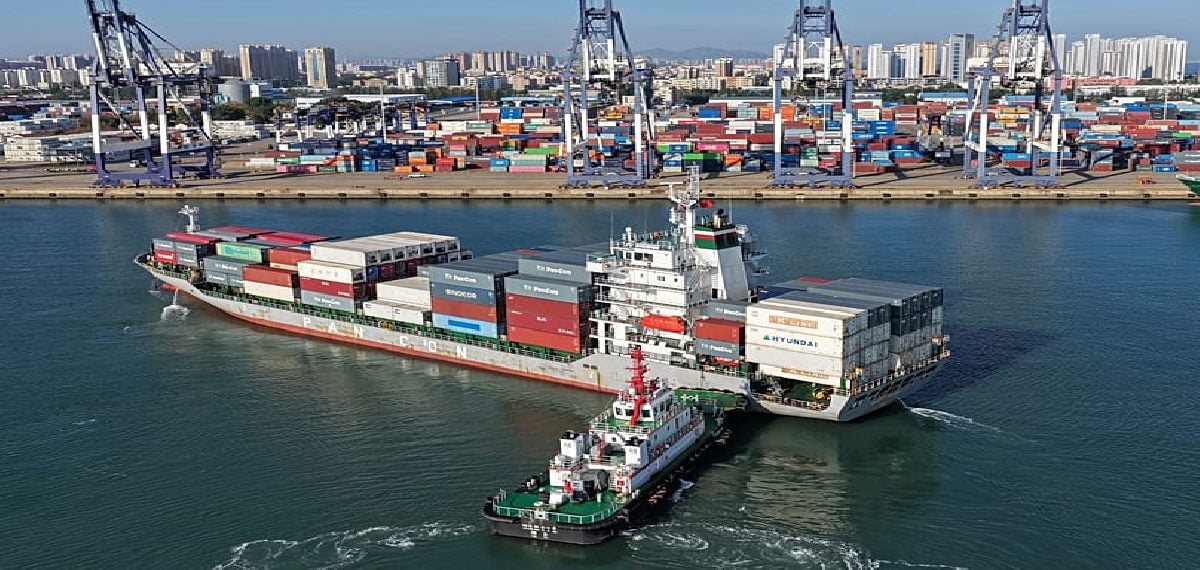
China reported on Monday that its economy expanded 4.5% in the July-September quarter from a year earlier, an increase from 4.3% in April-June and moving the country closer to its 2026 annual growth target of 4.5%-5%. The official figure beat expectations and was driven primarily by strong export performance while domestic demand remained weak.
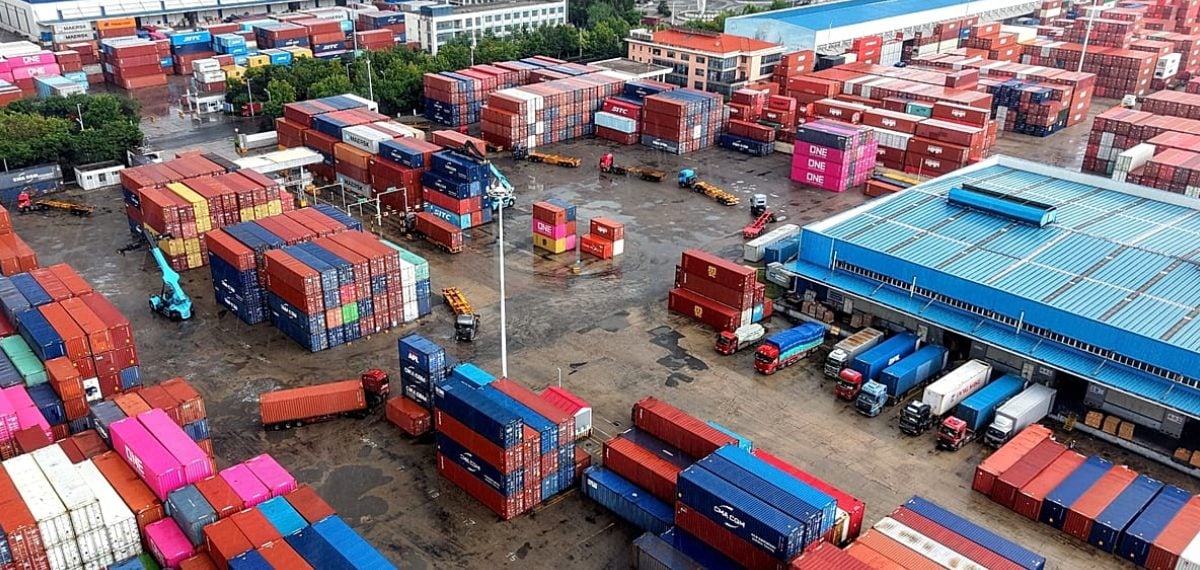
Exports strengthened notably, with a 36% jump in exports in the most recent month and a $938 billion surplus for January-September, putting China on track to exceed last year’s record $1.2 trillion trade surplus. High-tech goods including semiconductors and hybrid and electric vehicles led export growth, and Chinese exporters have shifted more trade toward Southeast Asia, Latin America and Europe amid higher US tariffs.
China has pursued policies to build self-sufficiency in strategic sectors such as solar and electric vehicles, resulting in large, heavily subsidised manufacturing capacity. Output expanded rapidly while consumption lagged, which has led to much production being sold abroad at competitive prices. Analysts quoted in the source expressed concern that this export-driven, tech-heavy model has produced limited job creation and income gains and may mask widening disparities across industries, regions and households.
Domestic demand remained softened by a years-long property slump that eroded household wealth and increased savings. Policymakers and some analysts pointed to an undervalued yuan against the dollar and euro as a factor contributing to the trade surplus, a claim the central bank has rejected. Beijing stated it does not seek a large trade surplus and has signalled commitment to expanding domestic demand.
The European Union continues to press China over trade imbalances as the bloc runs a deficit with China of more than $1.1 billion a day and Chinese exports to the EU rose 16% in the first nine months of the year. Some EU member states have called for further curbs even after an agreement to roughly halve Chinese hybrid vehicle imports over the next few years. Observers note China can address disputes while maintaining market access and that the hybrid vehicle deal may allow continued sales over time while avoiding broad tariffs.
The 4.5% quarterly growth figure highlights the tension between export strength and domestic weakness in China’s economy. Robust export performance, underpinned by high-tech manufacturing and expanded capacity, has supported headline growth even as household consumption and property sector distress weigh on internal demand. Trade surpluses and shifting trade patterns have prompted pushes from major partners to rebalance trade, suggesting that China’s external growth model could face heightened political and economic scrutiny even as it sustains overall expansion.