30 Ekim 2026
kapalı


Student-led victors call for overhaul of Serbia’s security and media leadership, demanding accountability and democratic reforms.
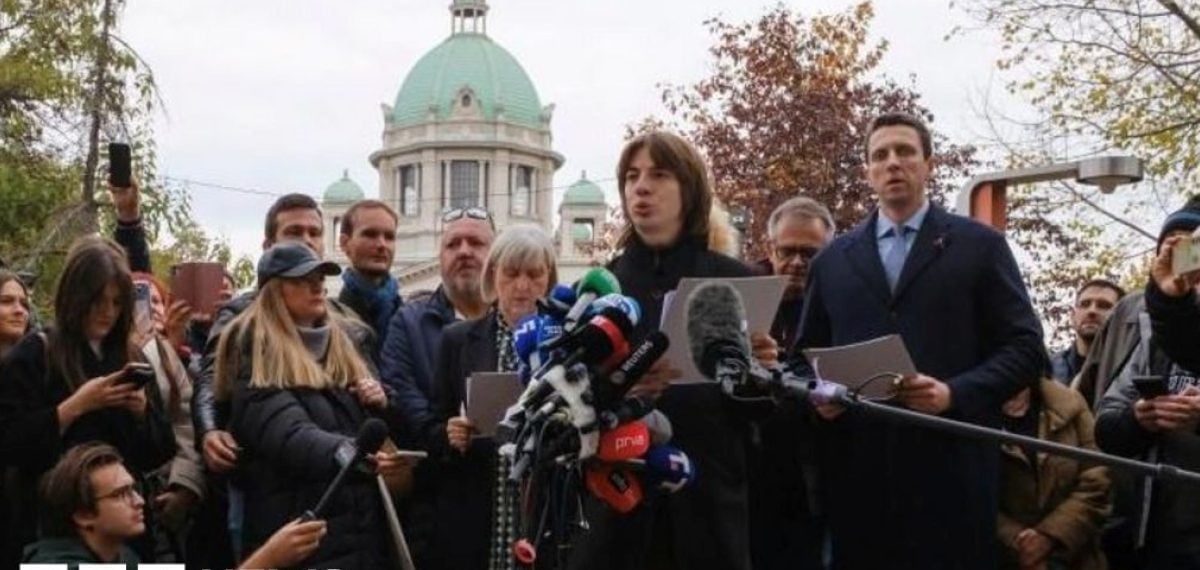
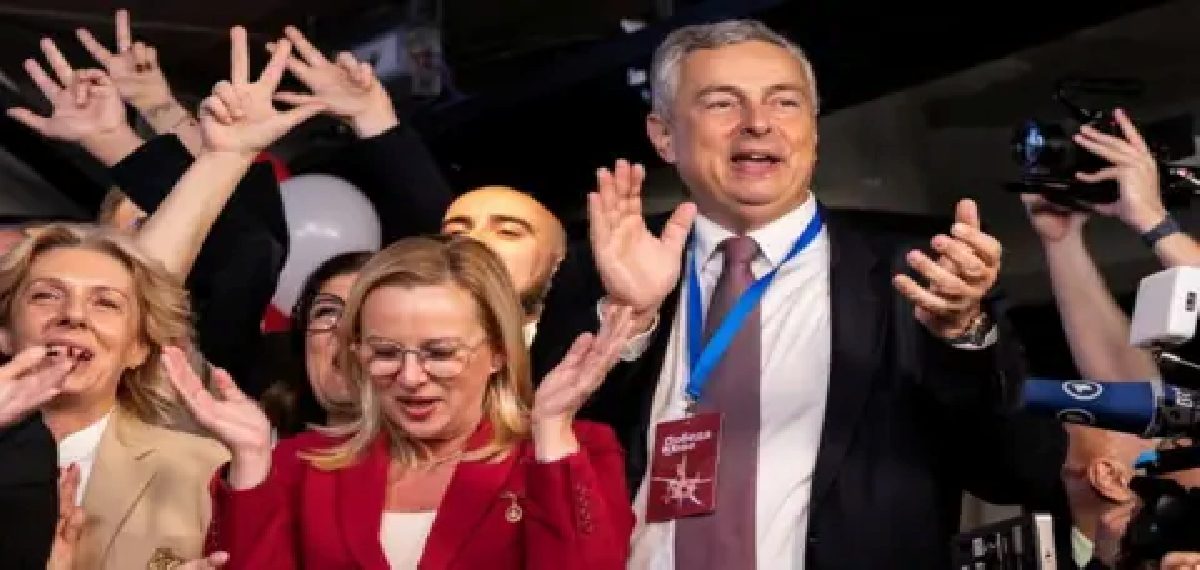
In Belgrade, newly elected MPs from the Student List called for immediate dismissals of senior police, intelligence and judiciary figures days after defeating Aleksandar Vučić’s party in national elections, and warned evidence of alleged wrongdoing could be destroyed before power fully transfers.
The Student List held a rally in Pioneers’ Park opposite parliament where MPs singled out the heads of the police, the BIA security agency and the anti-terror unit and demanded removal of all police officers who had broken the law.
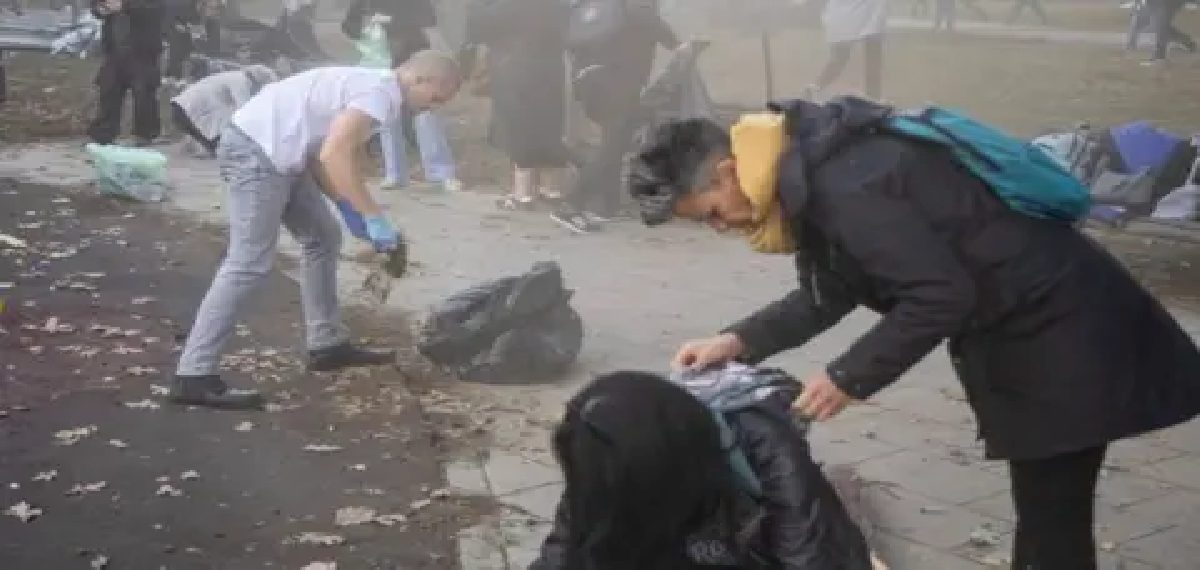
Following the election outcome, a tent camp of Vučić loyalists that had stood near his office was dismantled within hours of his concession, and volunteers moved in to clean Pioneers’ Park.
Marija Milovanović, 25, participated in cleaning efforts and described the activity as the “first wave of spring cleaning” following the students’ electoral victory.
The student movement originated in protests after the November 2024 collapse of a railway station canopy in Novi Sad that killed 16 people and has since sought accountability and investigations into alleged widespread corruption linked to the tragedy.
Under the Student Plan, the movement pledges to halt plunder, return stolen goods to the state budget and invest directly in education and the economy.
The new MPs have already effected leadership change at state broadcaster RTS where director Manja Grčić stepped down, and they have targeted the head of Telekom Srbija, Vladimir Lučić, for replacement.
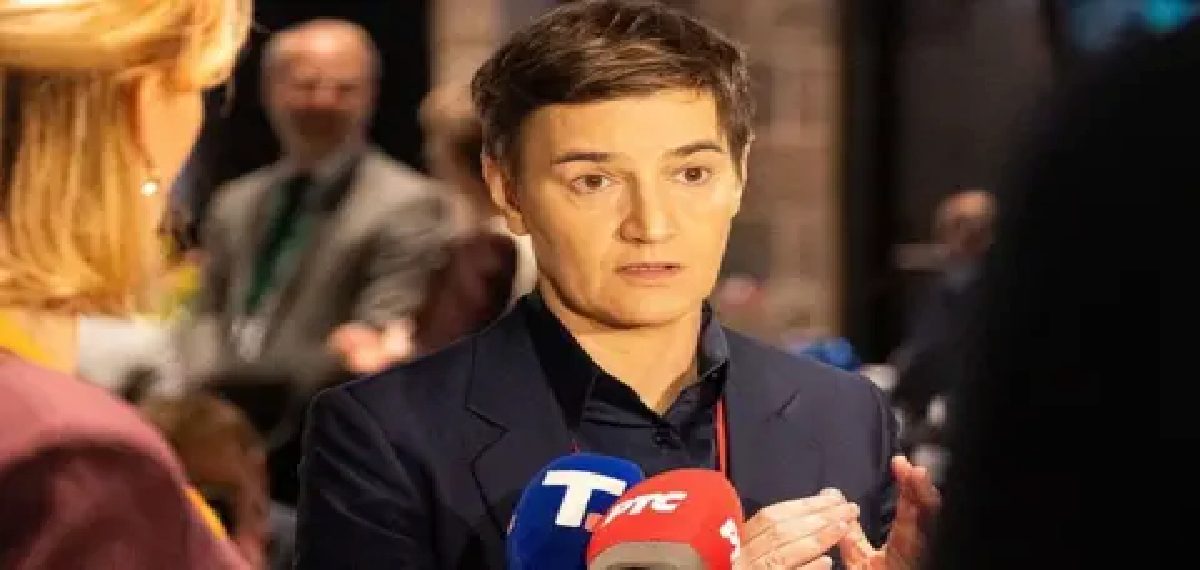
Ana Brnabić, acting president and Vučić loyalist, accused the election winners of pursuing “revolutionary justice, not rule of law” and of seeking to close media outlets they dislike.
Dejan Šoškić, a newly elected MP and former central bank governor, said he expects rapid reforms within six months including media liberalization, anti-corruption measures, institutions operating according to law and introduction of a lustration law to bar from public office those from the previous administration found to have violated citizens’ rights.
Strahinja Subotić of the European Policy Centre warned that dismantling long-standing control by Vučić and his party will take time and the new administration will need to rebuild relationships with functioning segments of the state.
All 141 successful candidates were selected by students through a lengthy process and are charged with implementing the students’ detailed 1,200-page plan, while promising to work closely with student organizers.
Radomir Saičić, a professor of organic chemistry at the University of Belgrade and prominent Student List figure, said the practical mechanisms will be developed as the new MPs proceed and that they will adhere to the students’ detailed plan.
The Student List are political newcomers without an obvious single leader and face complex domestic and international challenges, including Serbia’s balancing act between EU accession ambitions and close relations with Russia and other eastern partners.
The EU welcomed the Student List victory and pledged support for reforms in rule of law, media freedom and anti-corruption, while the students’ manifesto treats the EU mainly as Serbia’s most important economic partner.
Belgrade has avoided imposing sanctions on Moscow since 2022 and retained preferential gas prices, and Vladimir Putin publicly endorsed Vučić’s bid to remain in power during the campaign.
Dejan Šoškić said Serbia’s experience with sanctions in the 1990s informs a hesitancy to embrace measures that primarily harm ordinary people rather than state policies.
With presidential elections scheduled for December and Aleksandar Vučić barred from a third presidential term, he has vowed that the Serbian Progressive Party will regroup and “beat them much faster than they can even imagine.”
The Student List victory marks a rapid political reset that places novice legislators in charge of urgent institutional reforms while opening a short window to secure evidence and replace entrenched officials tied to the previous government.
The new MPs’ early actions at RTS and their demands for dismissals signal a prioritization of media independence and accountability, while the lustration proposal indicates intent to legally bar those tied to alleged abuses from future office.
Internationally, the administration’s initial domestic focus together with Serbia’s existing ties to Russia and cautious stance on sanctions suggest foreign policy adjustments may not be immediate priorities.