17 Temmuz 2026
parçalı bulutlu


Chesley Sullenberger, famed Hudson River pilot, discloses early Alzheimer’s diagnosis, reflecting on life, legacy and public awareness with dignity.
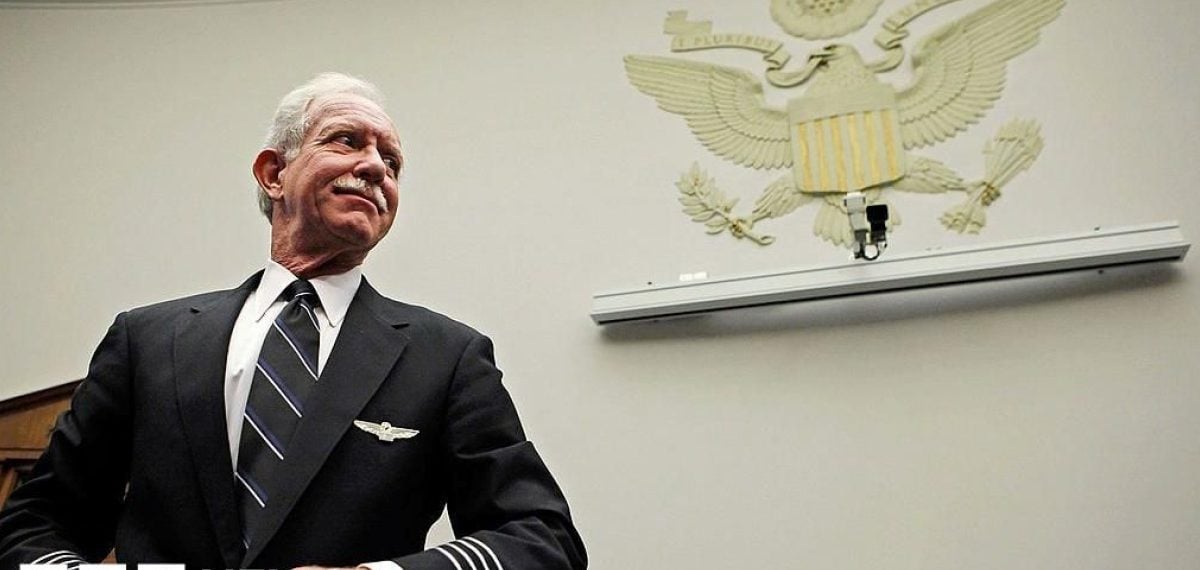
Captain Chesley ‘Sully’ Sullenberger III, the pilot who safely ditched US Airways Flight 1549 in the Hudson River on 15 January 2009, has announced an early-stage Alzheimer’s diagnosis on his personal website. He said the condition is beginning to affect memory and sleep, but emphasized his intent to speak openly about the disease and remain of service to others.
Flight 1549 lost both engines after a bird strike shortly after takeoff; Sullenberger’s decisive actions and calm command helped all 155 people on board survive. Sullenberger, 75, framed the diagnosis as a new chapter in a life marked by public service and aviation advocacy.
In his statement, he described practical early symptoms—difficulty recalling names or recently told stories and changes in sleep—and called for collective courage in confronting Alzheimer’s. He positioned himself as part of a larger community facing the disease, urging openness and shared resolve.
Sullenberger retired from flying in 2010 after a 40-year aviation career that included service as a U.S. Air Force fighter pilot. He has continued to advocate for aviation safety and remained a public figure; his emergency landing was later depicted in the 2016 film “Sully,” starring Tom Hanks.
Sullenberger’s announcement highlights how high-profile diagnoses can shape public awareness and destigmatize neurodegenerative disease. His credibility as a trusted public figure may prompt increased dialogue about early detection, caregiving resources and research funding, and could encourage others to seek evaluation sooner. From a healthcare perspective, prominent disclosures often accelerate attention to diagnostics, support services and policy discussions around long-term care financing.
For aviation and safety communities, the news is a reminder of retirement, health disclosures and legacy; Sullenberger’s continued advocacy can shift focus from a single event to sustained policy and cultural engagement on safety and public service.