06 Temmuz 2026
açık


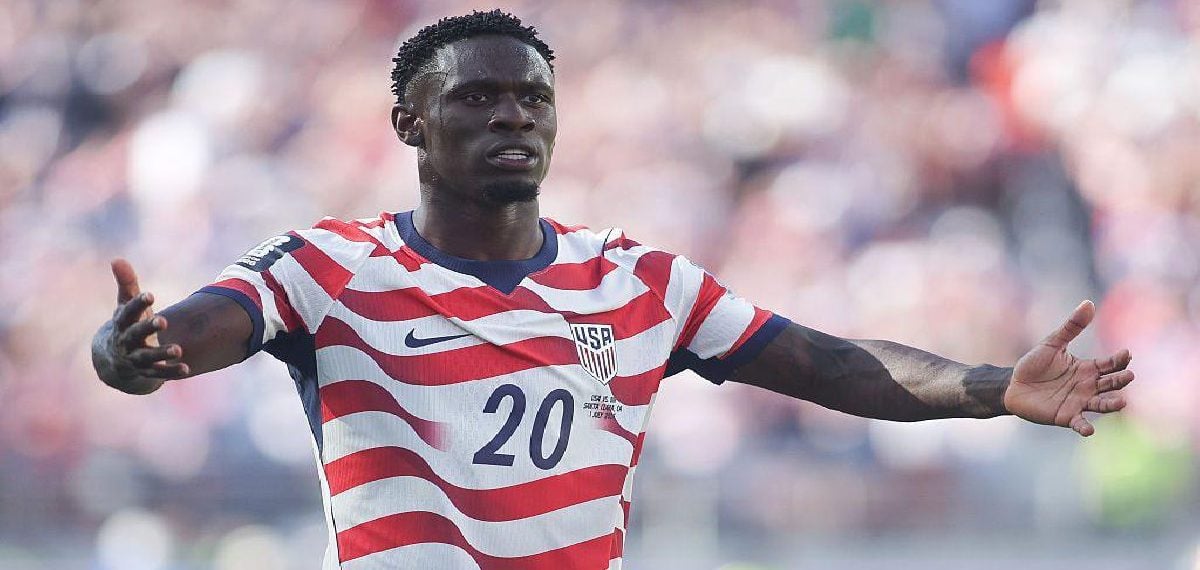
FIFA lifts Florian Balogun’s World Cup suspension, enabling the US to face Belgium after a timely ban reversal.
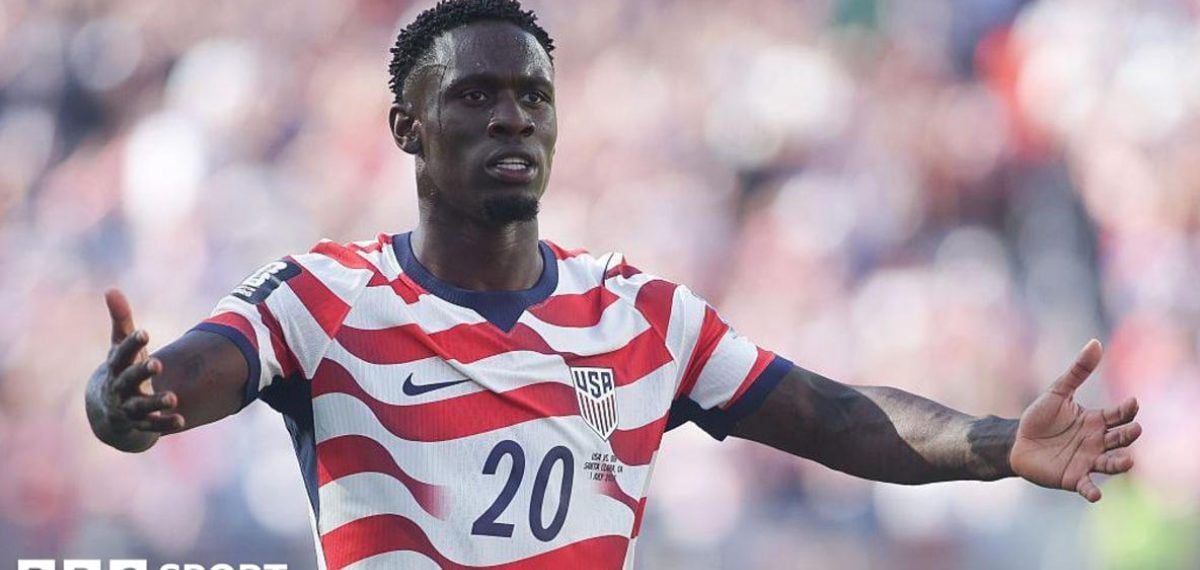
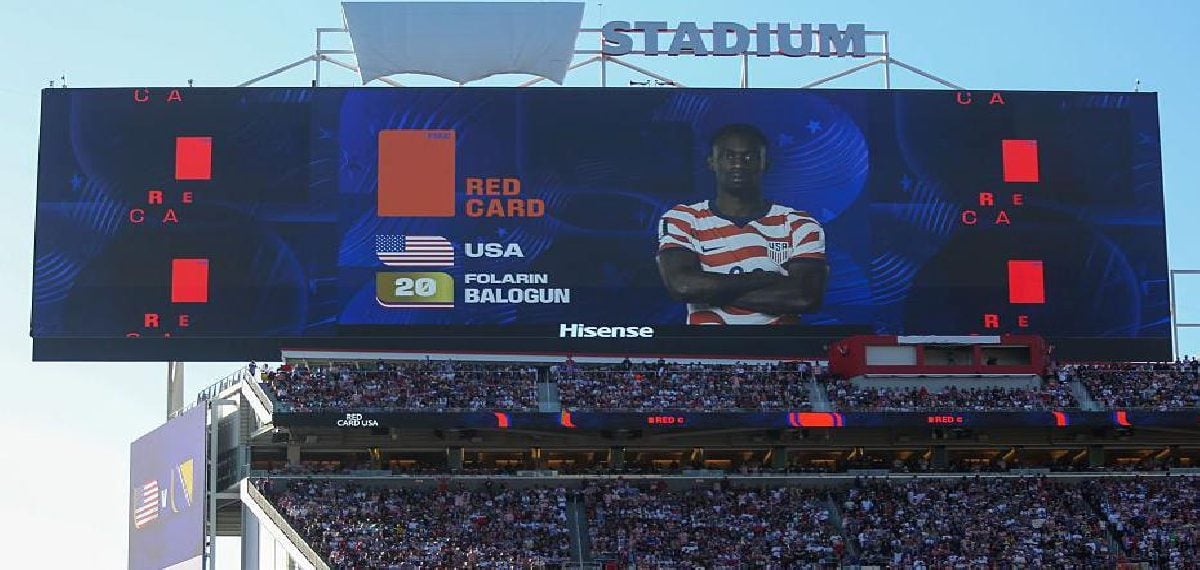
What happened? FIFA announced the suspension of a red card ban for United States forward Florian Balogun, who was sent off in the last-32 win over Bosnia-Herzegovina, making him available for the US last-16 match against Belgium on Monday. The decision, cited under article 27 of the FIFA Disciplinary Code, was released without detailed explanation on Sunday.
Details and context Balogun had received a sending-off after a VAR review for a challenge on Tarik Muharemovic that struck the Bosnian’s ankle. FIFA’s disciplinary code normally mandates at least a two-match ban for serious foul play, and World Cup rules do not permit appeals against red cards.
The suspension of the ban is an unusual step: article 27 allows FIFA to fully or partially suspend disciplinary measures, but this provision has not been used at a World Cup before. FIFA’s brief statement referenced that article without providing the reasoning or factors behind the decision.
Reactions The ruling prompted immediate controversy. Belgium’s FA said it was “astonished,” arguing the decision contradicts tournament regulations that impose an automatic suspension for the next match. Belgium head coach Rudi Garcia publicly criticized the outcome.
BBC Sport and other observers noted that no explanation was given about who made the decision or what evidence was weighed. Pundit Micah Richards called the suspension a “farce,” saying it undermines the tournament’s disciplinary consistency.
Precedent concerns The decision raises questions about consistency, since other red-carded players at this World Cup have served suspensions. Examples cited include Qatar’s Assim Madibo, who received a five-game ban for an incident that resulted in a broken leg for Canada’s Ismael Kone.
Critics warn that rescinding Balogun’s ban could encourage more appeals or calls for leniency in similar cases, complicating enforcement of disciplinary rules at domestic and international level.
Allegations of political influence Reports from Reuters, AFP and The New York Times said US President Donald Trump called FIFA president Gianni Infantino to request a review; FIFA has not confirmed that account. Trump posted gratitude on Truth Social for what he called reversal of an “injustice.” If true, such contact would echo historical cases of political intervention and raise questions under FIFA statutes that prohibit political interference.
FIFA’s ethics committee has previously been asked to investigate Infantino over alleged breaches of political neutrality, adding another layer of scrutiny should external influence be proved.
What happens next Attention now turns to the US–Belgium match and how FIFA will address demands for transparency. The United States can request FIFA to publish the full reasons for the decision, while Belgium does not have the same right under current procedures.
The ruling leaves unresolved issues about consistency, transparency and the limits of FIFA’s disciplinary discretion as the tournament proceeds.