06 Temmuz 2026
açık


Bangladesh pursues deeper China ties as Rahman visits to advance Teesta talks and major economic projects, aiming for strengthened cooperation and investment.
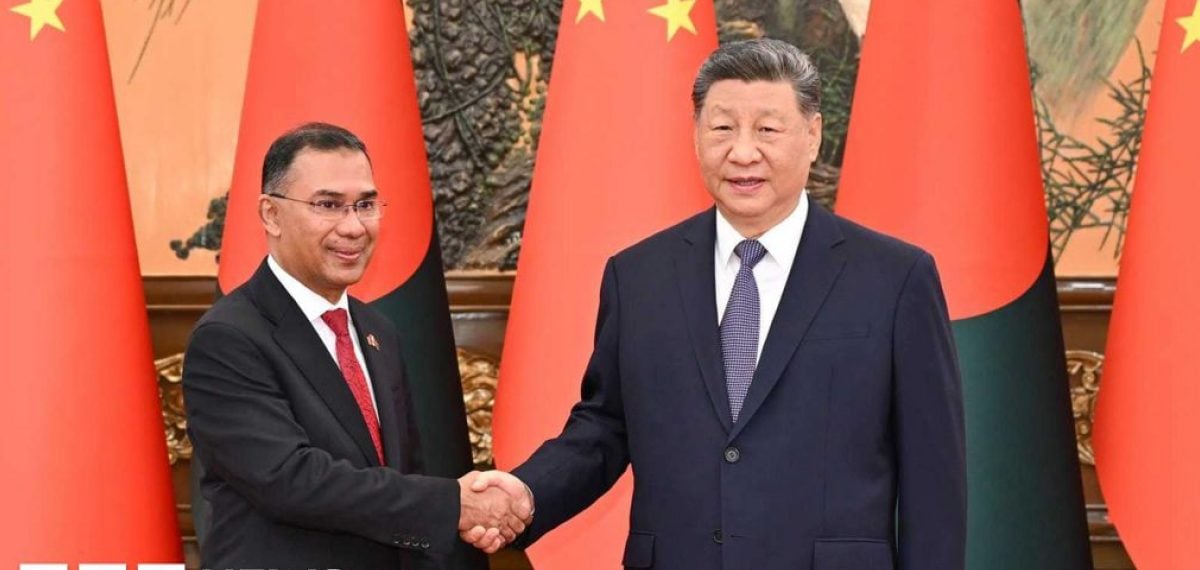
Bangladesh’s Prime Minister Tarique Rahman visited China and Malaysia last month to secure investment and cooperation, the Bangladeshi government announced, as Dhaka moves to revive its economy and pursue a deal on the Teesta River; the visits aimed to attract Chinese support and resulted in agreements including a feasibility study and an economic zone near Mongla port.
Rahman’s trip, his first overseas official visit since taking office after the February landslide victory of the Bangladesh Nationalist Party, signalled a recalibration of Dhaka’s foreign policy toward greater engagement with Beijing, Bangladeshi officials said.
Among agreements reached in Beijing were a joint technical feasibility study on managing the Teesta River and plans to develop a special economic zone by Mongla port, both announced during meetings with Chinese counterparts, according to official statements.
Dhaka said it sought Chinese expertise and financing for river dredging, desilting and flow restoration to support agriculture, and argued that delays by New Delhi had prompted Bangladesh to explore alternative partners.
India has expressed concern about potential Chinese involvement in projects affecting the Teesta, with former Indian foreign secretary Shyam Saran warning that such cooperation near India’s border would be unwelcome and could raise strategic anxieties.
China replied through its Foreign Ministry that cooperation with Bangladesh did not target any third party and should remain free from outside influence, while Beijing also proposed the China-Myanmar-Bangladesh Economic Corridor connecting Yunnan to the two countries.
China is already Bangladesh’s largest defence supplier and a significant creditor, with Dhaka owing Beijing more than $6bn; Chinese offers during the visit also included expanded economic and infrastructure cooperation, officials said.
Relations with India, a traditional partner, have been strained since the August 2024 uprising that ousted Sheikh Hasina, who sought refuge in Delhi and was later convicted in absentia; New Delhi and Dhaka have taken steps to mend ties after Rahman’s election, though irritants remain.
Indicators of a gradual thaw include partial resumption of passenger bus services between Kolkata, Dhaka and Agartala, renewed cross-border trade valued at about £13bn last year largely in India’s favour, emergency fuel shipments via the Friendship Pipeline and India’s appointment of Dinesh Trivedi as High Commissioner to Dhaka.
Despite these moves, Bangladeshi officials and analysts point to persistent anti-India sentiment in Bangladesh over perceived Indian support for Hasina and allegations that India has pushed Bengali-speaking Muslim migrants into Bangladesh without proper repatriation processes.
Observers note that the presence of Hasina in Delhi complicates a full reset: Saran said her continued stay makes a Rahman visit to India politically difficult, though others argue Rahman may still visit given India’s economic and strategic importance to Bangladesh’s north-east security.