29 Kasım 2026
parçalı bulutlu


Thanksgiving storms trigger coastal flooding and power outages across the US, disrupting travel and emergency responses while communities assess damage.
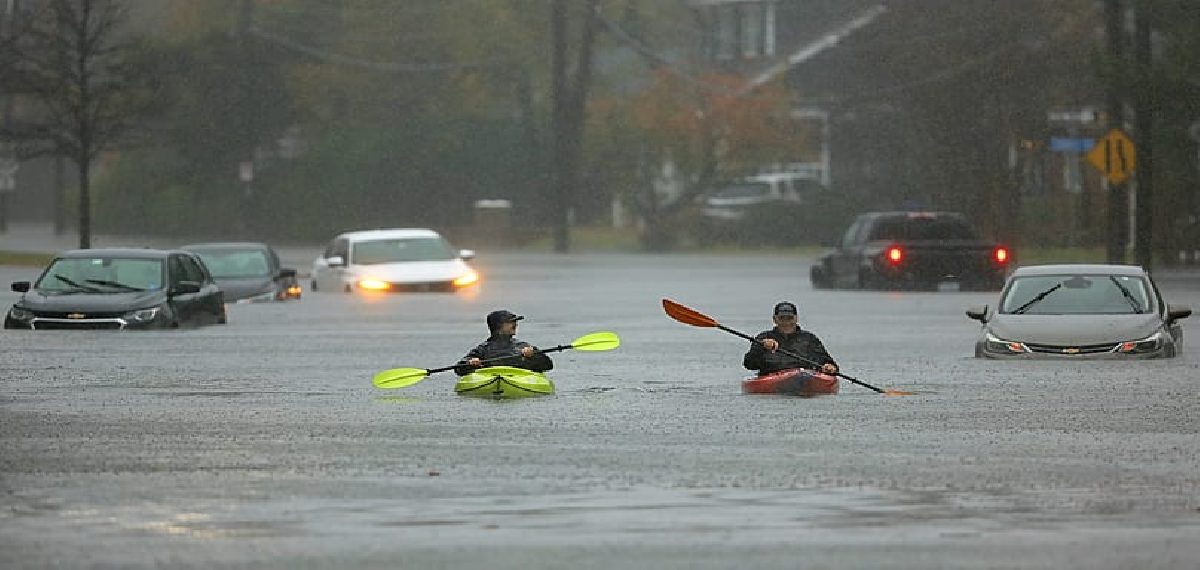
Severe storms on Thanksgiving affected large swaths of the United States on 25 November 2026, bringing flooding, strong winds and travel disruptions across both U.S. coasts and inland areas.
In New Jersey, Sea Isle City and Ocean City experienced inundated streets while water spread across parts of Avalon, where Borough of Avalon business administrator Scott J. Wahl described some of the worst flooding in the town’s history. A few drivers required rescue after ignoring barricades and entering floodwaters, though no injuries were reported.
At Philadelphia International Airport, aircraft were observed stranded on the tarmac amid poor weather conditions. The National Weather Service cautioned of disrupted operations at eastern U.S. airports through Friday morning, citing poor visibility, turbulence, strong winds and icing on aircraft. Wind gusts of 80 km/h or higher were anticipated along the Interstate 95 corridor.
Governor Mikie Sherrill declared a state of emergency for all of New Jersey, and Governor Kathy Hochul declared emergencies for parts of New York. Poweroutage.us reported more than 600,000 homes and businesses without electricity on Thursday afternoon, mostly across East Coast states.
Rain continued in Norfolk, Virginia, on Thanksgiving morning, stranding drivers on Hampton Boulevard. In the St. Louis area of Missouri, rain and snow affected conditions with forecasts up to 33 cm of snow in some areas. Heavy snow in Wentzville, Missouri, partly collapsed the roof of the Wentzville Ice Arena.
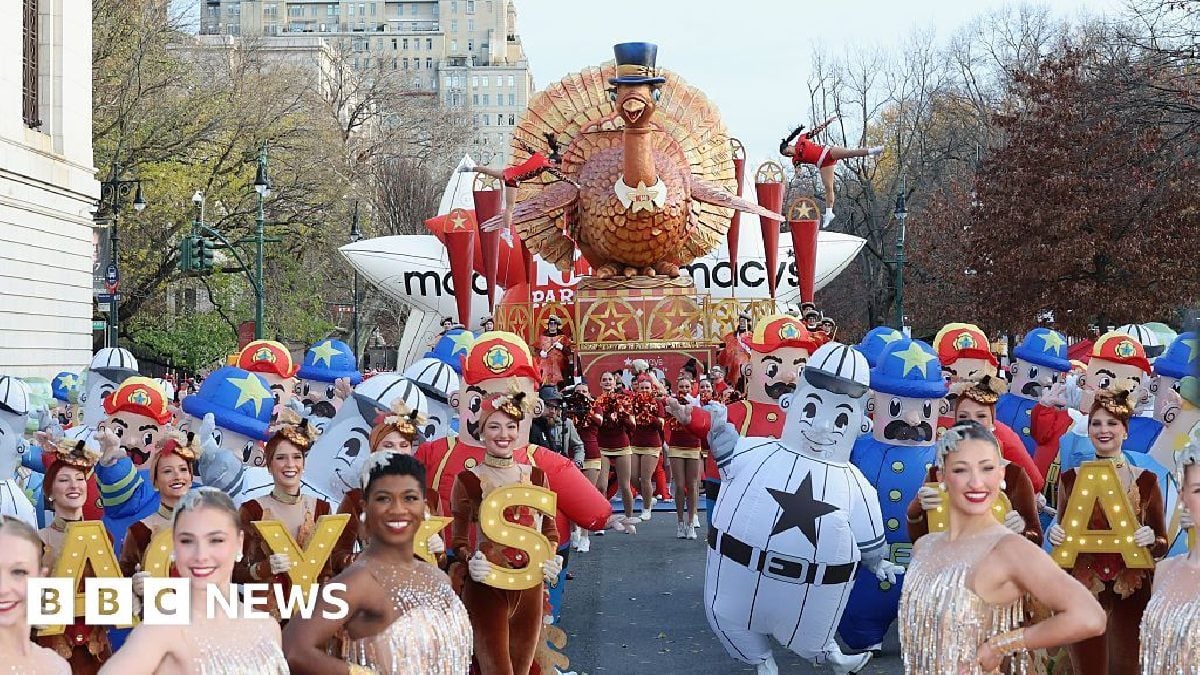
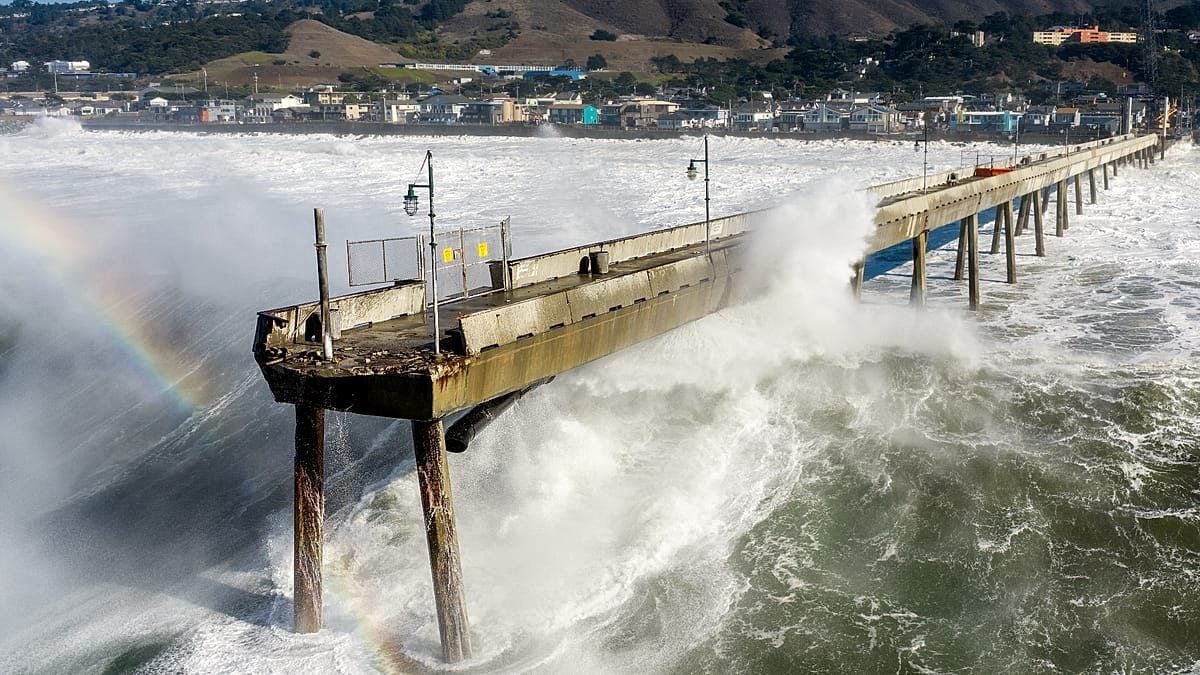
On the West Coast, coastal flood warnings were issued from Southern California to the Oregon and Washington coasts due to king tides. A wave tore down part of a pier in Pacifica, California, earlier in the week. Macy’s postponed its 100th Thanksgiving Day Parade in Manhattan until Saturday as a precaution after consulting city officials amid concerns about the parade’s giant balloons in high winds.
The multi-regional storm complex disrupted holiday travel and local infrastructure from the East Coast to the West Coast, demonstrating how concurrent coastal flooding, high winds and winter precipitation can strain emergency response, utilities and transportation hubs during peak travel periods. Declared states of emergency and widespread power outages signaled significant immediate impacts on communities, while postponement of major events reflected authorities’ caution regarding public safety in high-wind conditions.