06 Ekim 2026
parçalı bulutlu


Children in Taiz brave sniper and mortar fire to reach school, highlighting urgent risks to education and the need for protection and humanitarian action.
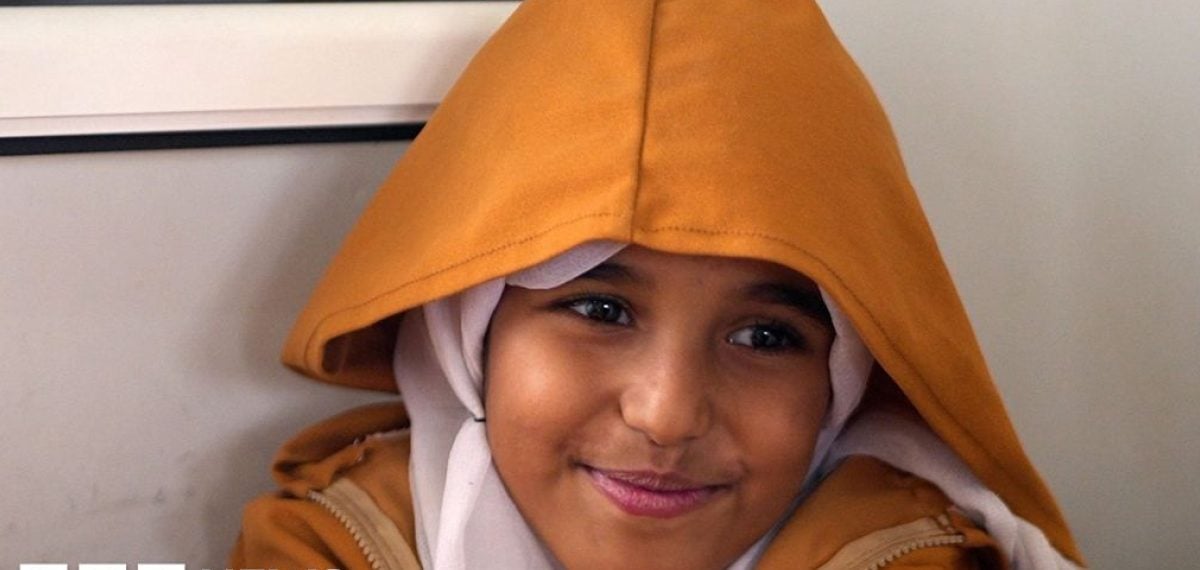
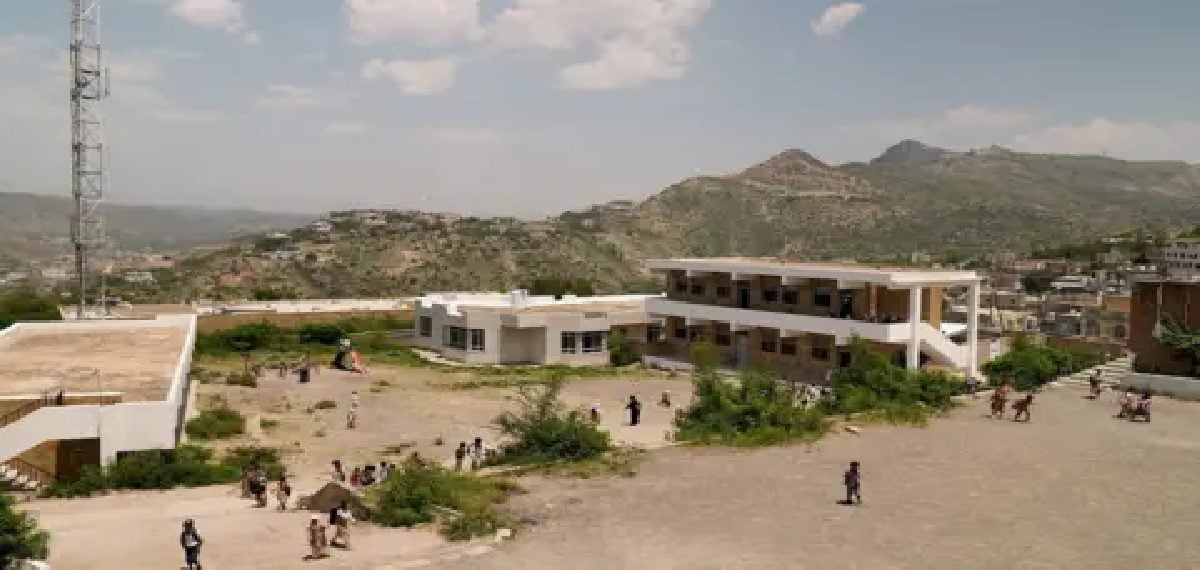
At a school on a mountain ridge in Taiz, south-western Yemen, 10-year-old Rafeef walks uphill each morning toward classes while Houthi sniper positions overlook the valley below, creating a daily life-threatening route to education. The school stands on the edge of a contested front line between forces supporting Yemen’s internationally recognised government and Houthi fighters, and families in the area fear the escalating conflict.
Rafeef and her younger brother wear their cream and brown uniforms and attend lessons in subjects including maths, Arabic and Islamic studies; she is due to start English next year. Despite the dangers, Rafeef continues to go because school is her only opportunity to be with friends and pursue her ambition to become a doctor. Her parents allow her outside only to attend school and emphasize the value they place on her education.
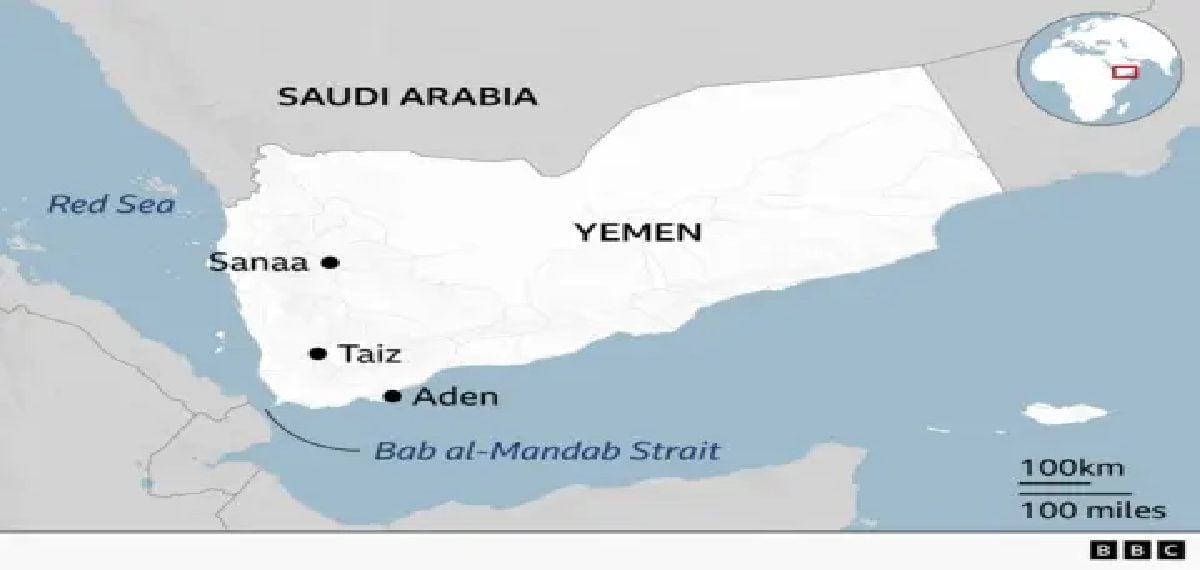
The security risks are constant. The family moved from Hudaydah to Taiz nine years ago seeking safety after the Houthis took control of Hudaydah. Taiz itself has seen intense fighting, and two years ago a mortar struck near the family home, shrapnel breaking Rafeef’s arm and leaving a scar. Residents report shifting control of supply routes, and recent Houthi actions have included cutting a vital supply road linking Taiz to Aden, effectively encircling parts of the city.
Teachers and local security advisers describe visible Houthi military camps, barracks and sniper positions on surrounding mountains. Abdel Raqeeb al-Obaidi, a teacher at the school, said the institution has been fired on previously and that the threat could erupt at any moment while children are in class or on the street. Attempts by journalists to visit the neighbourhood were twice halted after reports of sniper shootings and other security incidents.
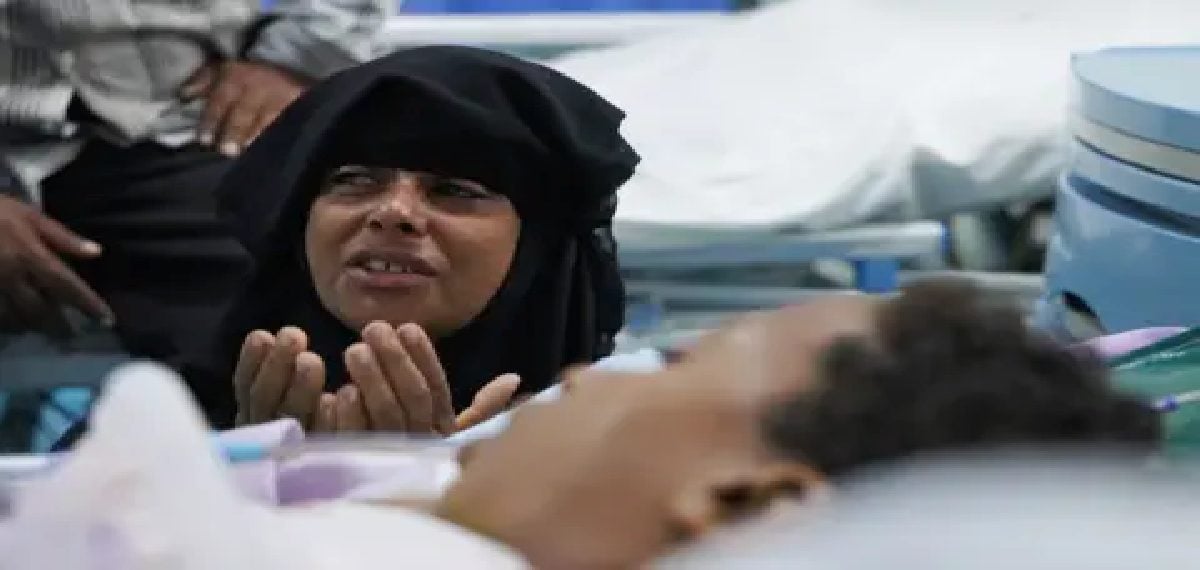
Civilians have been struck in recent days by indirect fire. A mortar strike near a mechanic’s shop killed a three-year-old boy, Ahmed, after shrapnel pierced his heart, and two other children were badly injured and taken to Al-Rawdah Hospital. Nurse Ikram Shamsan and hospital staff described the emotional toll as families grapple with sudden loss and critically wounded children. An 11-year-old boy, Amjad, suffered shrapnel wounds to his lung and abdomen and was treated in intensive care where doctors described his condition as critical; his mother arrived hours later after an eight-hour journey from their village.
Homes across Taiz’s slopes are often abandoned as families flee fighting. Local accounts said government forces have gained in other areas and retaken control of strategic points on the Bab al-Mandab Strait, while an offensive to try to regain Sanaa has been launched. For residents and school staff in Taiz, the combination of frontline proximity, sniper positions and the use of drones and heavy weapons by combatants means everyday activities, including sending children to school, carry grave risk.
The situation in Taiz illustrates how prolonged urban and front-line conflict transforms basic services into high-risk activities; schooling has become an act of daily courage for children and families navigating sniper threats, mortar fire and intermittent shifts in control of supply routes. The accounts of injured and killed children underscore the human cost of fighting near populated areas and the strain on medical facilities treating critical casualties. Continued contest over access routes and strategic locations prolongs civilian vulnerability and complicates efforts to maintain education, healthcare and normal life.