10 Eylül 2026
açık


Trump reveals declassified files alleging major voter-data breaches; officials dispute claims as investigations and political fallout unfold.
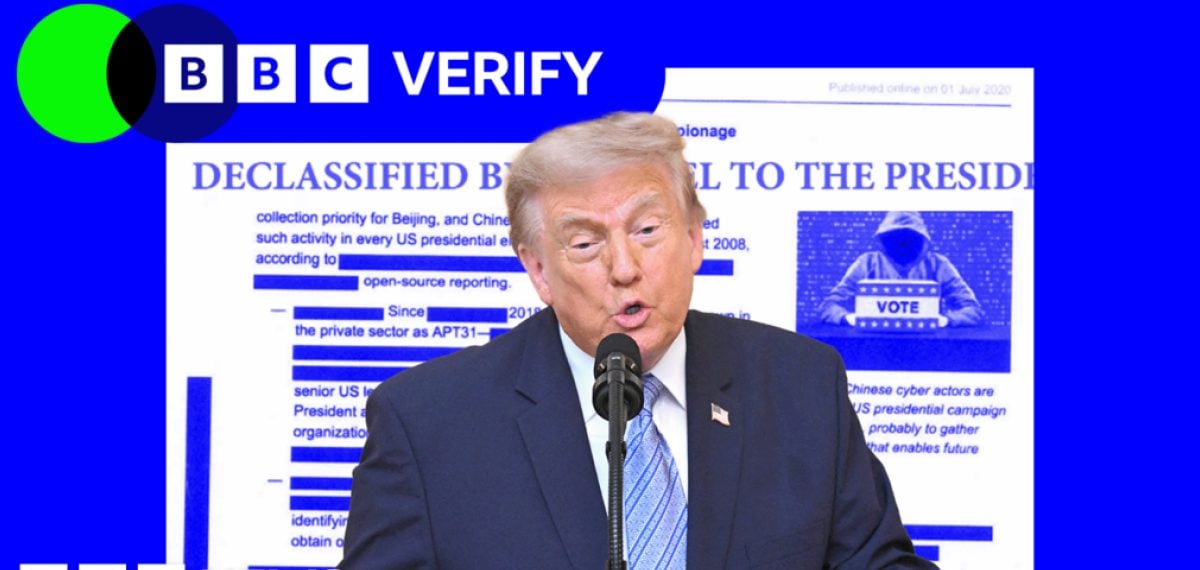
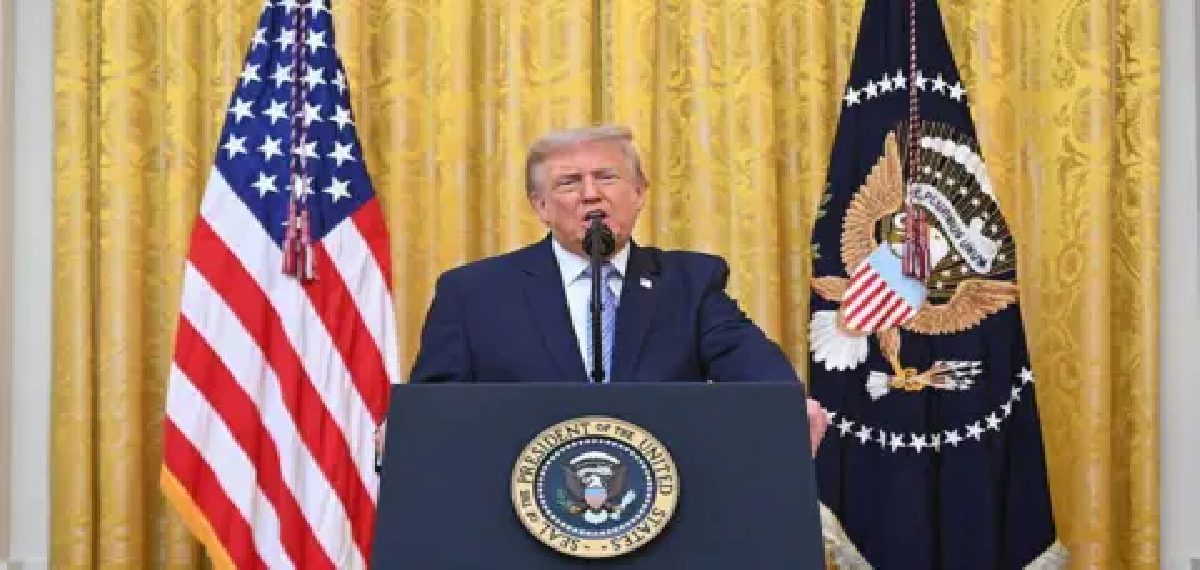
What happened, where, who said it, when and the main outcome: In a 26-minute White House address on 13 July 2026, President Donald J. Trump asserted that newly declassified intelligence shows China and other actors compromised hundreds of millions of U.S. voter records, highlighted alleged irregularities in Michigan registration drives and cited Department of Homeland Security and National Intelligence Council documents; BBC Verify review and previously published NIC findings, however, find no evidence these disclosures upend the outcome of prior elections, including 2020.
Trump framed the disclosures as proof of “catastrophically short” election security and said more than 200 million U.S. voter records were compromised by the People’s Republic of China, citing an internal White House Government Transparency Task Force statement and redacted files released after the speech.
The administration published four sets of “election integrity” documents, among them a declassified January 2020 NIC assessment noting ballot and voting-machine processes can be vulnerable to cyber, supply-chain or insider threats and that machines without paper backups are most exposed.
That same NIC material also cautioned that distribution of machines and mitigation measures would make it difficult for an adversary to coordinate manipulation of results across an entire state or multiple states, tempering claims that infrastructure weaknesses necessarily translate to successful widescale fraud.
On Michigan, the files document a Muskegon probe into allegedly fraudulent voter registration applications in October 2020 involving a claimed 8,000–10,000 registrations; the FBI tested a sample and later closed the case on 25 September 2025 without identifying a criminal violation.
The White House released a one-page DHS note stating “over 250,000 non-citizens are illegally registered to vote” in four states whose public files were reviewed; the memo does not attach the underlying evidence or explain methods for verifying those figures.
The releases crystallize a persistent political narrative: highlighting administrative and technical vulnerabilities can shape public trust even when disclosures lack proof of result‑changing interference. For markets, immediate direct impact is limited — election administration is a state-level responsibility and there is no systemic evidence of widespread vote flipping — but political risk rises as parties seek new federal rules, potentially affecting regulation, cybersecurity budgets and vendor markets.
For civil society and individual liberties, the mix of partial intelligence, redactions and high-profile assertions fuels polarization and incentives for legal and legislative action that could reshape voter registration, identity verification and data-sharing practices. Policymakers face the trade-off between tighter controls to restore confidence and the risk that stricter rules may suppress valid participation or shift resources away from verifiable security improvements.