14 Kasım 2026
parçalı az bulutlu


US forms Caspian task force as Iran and Russia vow coordinated response, escalating regional security and diplomatic tensions.
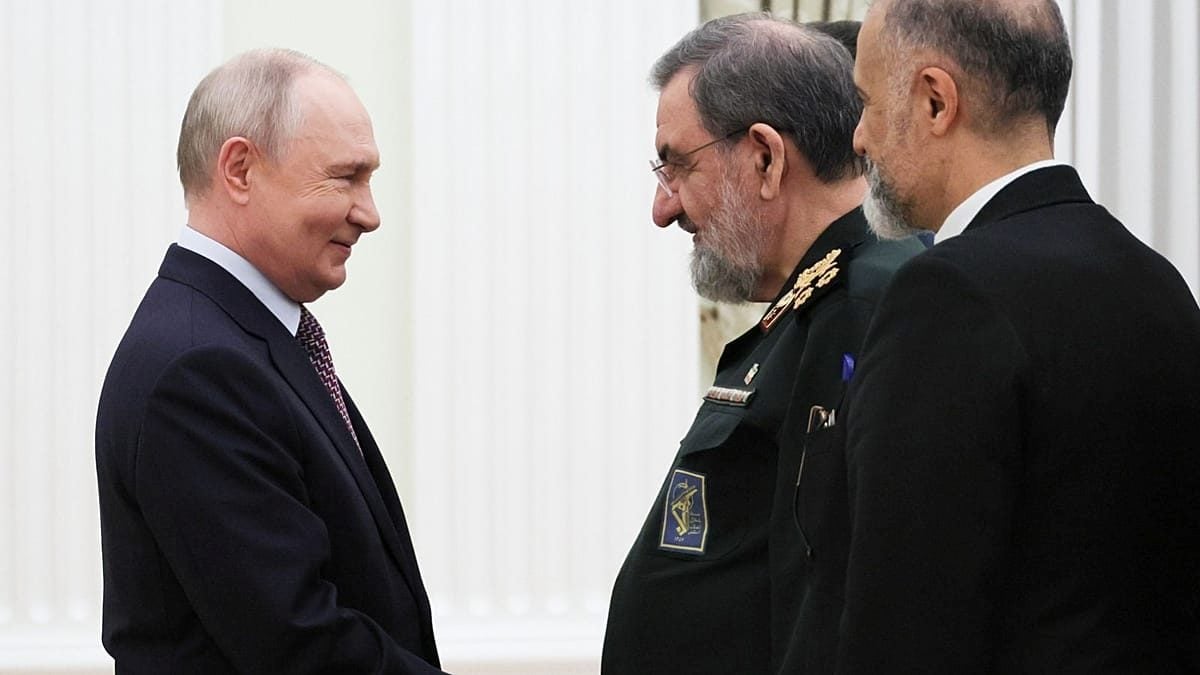
On 7 November United States Central Command announced the creation of the “Iron Gate” task force to prevent transfers of advanced weapons and dual use items to Iran via land borders and the Caspian Sea, prompting warnings from Iran and a firm response from Russia.
Russia’s Foreign Ministry described Washington’s plan as a clear threat to the rights and interests of the Caspian littoral states and said security in the Caspian Sea is an internal matter for the five bordering countries. The ministry called the move an escalatory and provocative step and said it supported Iran’s position that economic pressure will not collapse Iran’s economy.
Kazem Gharibabadi, deputy foreign minister for legal and international affairs, told the Russian ambassador in Tehran that Tehran and Moscow had discussed countering unilateral US measures and the Iron Gate programme and had stressed the need for coordination in the face of common threats.
CENTCOM also stated that US forces are working around the clock to keep the Strait of Hormuz open to commercial shipping, to rigorously enforce an “Iron Maritime Blockade” against Iran, and to work with partners to prevent the Islamic Revolutionary Guard Corps from using land routes and the Caspian Sea to move advanced weapons systems, dual use technologies, sanctioned items and illicit revenue streams.
The Institute for the Study of War and the Critical Threats Project assessed that Iran and Russia are cooperating to counter US efforts to stop weapons shipments via the Caspian Sea and land routes, noting that Iran has used Caspian trade routes with Russia to import Russian arms before and during the 2026 US-Israel-Iran War and that sanctioned Russian cargo ships move consignments from Astrakhan and Olya to Anzali, Nowshahr and Amirabad while switching off AIS to conceal cargoes.
Maritime traffic data cited in the assessment indicate sanctioned Russian cargo ships transfer cargoes to Iranian ports after loading in Astrakhan and Olya and then disable AIS signals as they approach shore. Ukraine’s Security Service also announced last summer that its long range drones had targeted two cargo ships in the Caspian Sea alleged to be transferring military equipment between Iran and Russia.
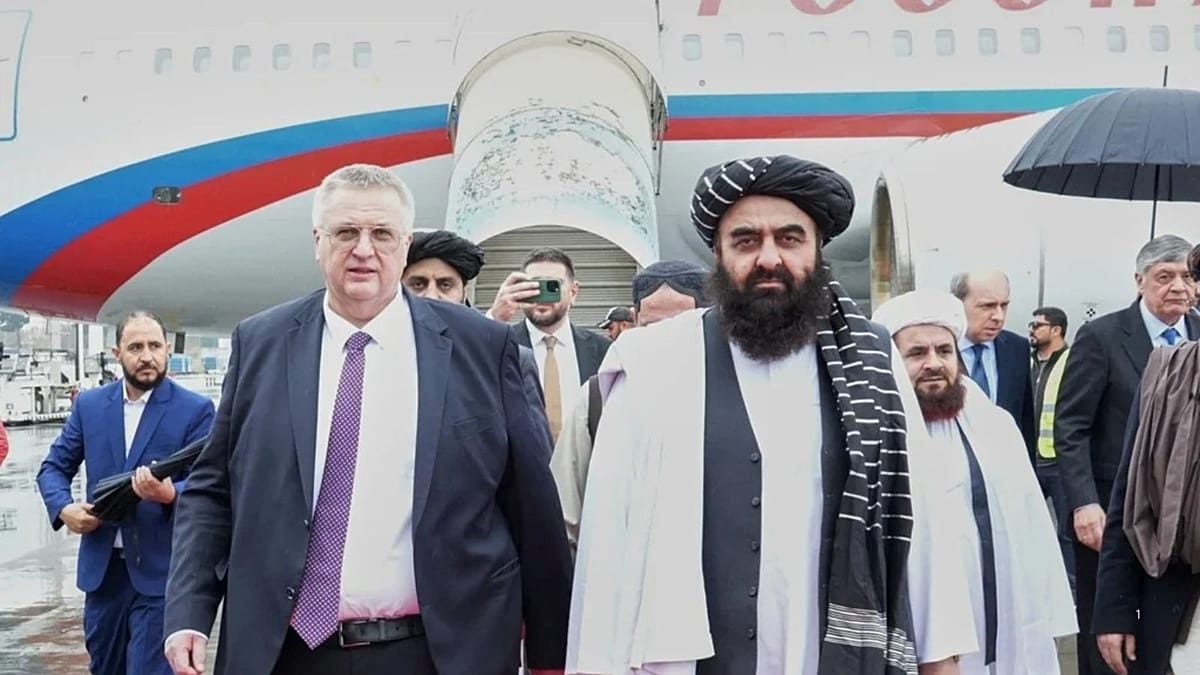
Separately Tehran and Moscow continue to deepen economic and transit relations within the North South corridor, with completion of the Rasht Astara railway described as a flagship project. Mohsen Rezaei, secretary of Iran’s Supreme National Security Council, said the council approved the executive agreement for this railway and that discussions in Moscow also covered building gas pipelines from Russia to Iran.
The security situation in the Strait of Hormuz remains fragile amid a no war no peace environment. The Revolutionary Guard Navy reported that two supertankers were halted by a massive explosion while transiting the southern route of the Strait of Hormuz and said the vessels had ignored repeated warnings about an unauthorised and unsafe route. Iran maintains that vessels should follow routes it has designated in the Strait and that violators bear responsibility for security consequences.
The ISW and CTP assessment also stated that Iran has abandoned the claimed 2,000 kilometre limit on the range of its ballistic missiles, formalising efforts to develop longer range systems. Tasnim reported the display of a new ballistic missile combining the Fattah warhead with the Kheibarshekan 2 booster, increasing the Fattah hypersonic missile range from 1,400 to 2,000 kilometres. Mohsen Rezaei reiterated a directive attributed to Iran’s Supreme Leader Ayatollah Mojtaba Khamenei for no geographical limitations in confronting the enemy.
Mohammad Bagher Ghalibaf, speaker of Iran’s parliament, criticised Washington’s regional approach and argued that acceptance of Israeli intelligence and plans is a primary cause of the United States’ current military, political and economic problems in the region.
The formation of the Iron Gate task force and the parallel statements from Moscow and Tehran indicate a mutual emphasis on protecting Caspian transit routes and resisting unilateral US measures. Russia’s framing of the US move as a threat to littoral state rights and Iran’s insistence on enforcing its designated Strait of Hormuz route underscore a regional security environment marked by competing control claims over maritime and overland arteries. The ISW and CTP assessments about concealed ship movements and prior weapons transfers highlight tensions over monitoring and enforcement in the Caspian Sea and increased coordination between Iran and Russia on transit and economic links.