24 Eylül 2026
açık


Todd Blanche, former Trump lawyer, confirmed as U.S. attorney general; implications for federal policy, legal priorities, and justice system oversight.
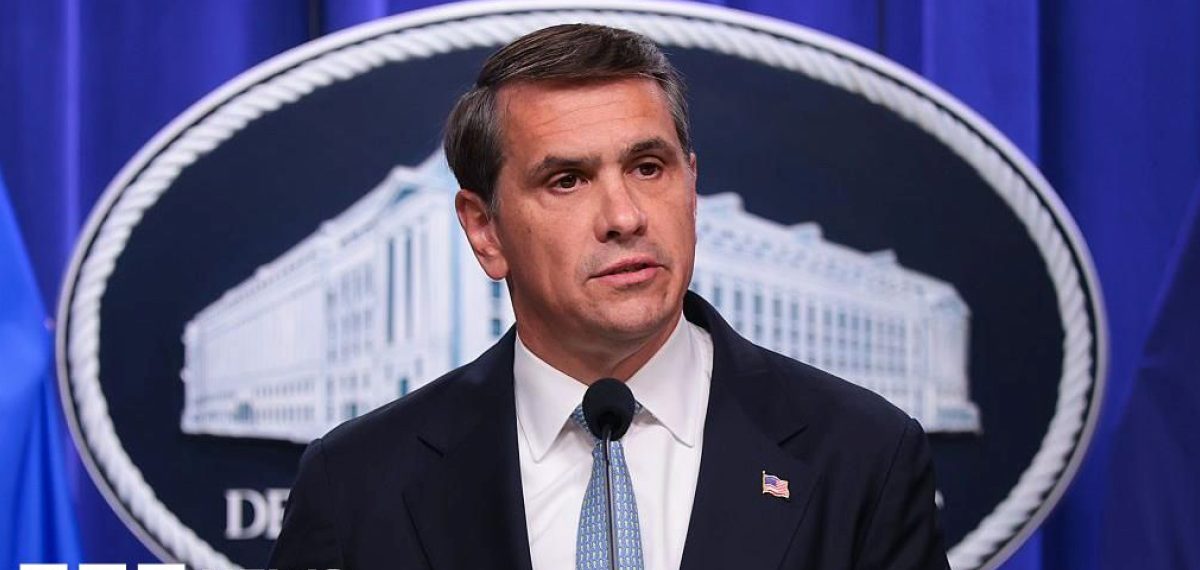
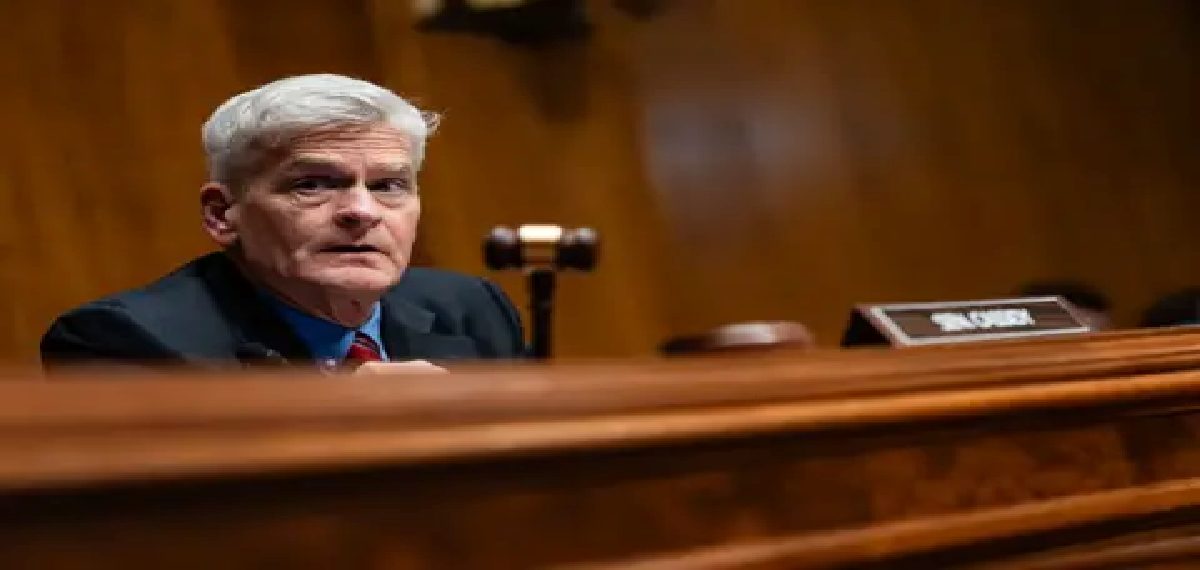
Todd Blanche was confirmed by the Senate in a 50-49 vote to serve as the United States attorney general, ending a prolonged standoff between Senate Republicans and the Trump administration over his nomination. Senator Bill Cassidy cast the deciding vote after concluding Blanche was the best choice the president would nominate; Senators Susan Collins and Lisa Murkowski opposed the confirmation. Blanche has served as acting attorney general since April.
The Senate vote followed debates over Blanche’s past actions, including his handling of Jeffrey Epstein–related document releases and his role in creating a proposed $1.8 billion fund to compensate individuals who alleged government persecution. Blanche pledged during confirmation hearings to walk back the fund after criticism from Republican senators.
Murkowski cited concerns about politicization of the Justice Department in announcing her opposition, while Collins raised questions about Blanche’s involvement in settling a $10 billion case with the Internal Revenue Service but ultimately said she trusted he would provide candid legal advice to the president. All Senate Democrats voted against the nomination.
The confirmation resolves the interim leadership at the Justice Department by elevating Blanche from acting to confirmed attorney general with a 50-49 Senate vote. Key concerns during the process included Blanche’s role in Epstein document decisions and the planned $1.8 billion compensation fund, which he agreed to retract during hearings. Republican Senators Collins and Murkowski opposed the nomination, while Senator Cassidy provided the decisive vote in favor.