02 Ekim 2026
parçalı bulutlu


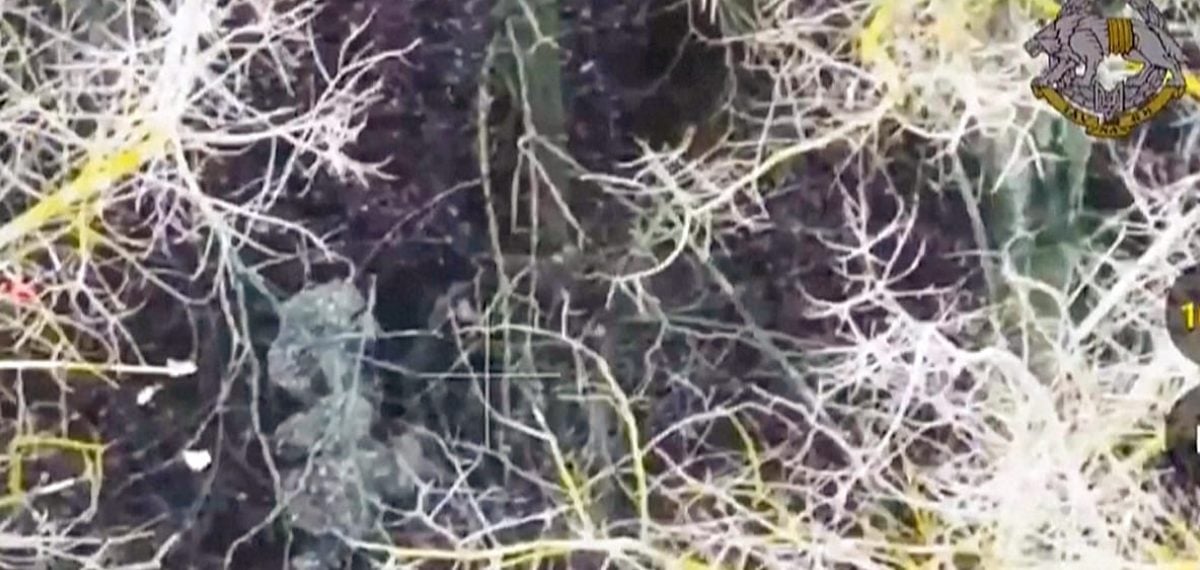
The POWs were captured by Ukrainian forces early last year after being deployed alongside thousands of North Korean troops to support Russia’s war against Ukraine.
South Korean President Lee Jae-myung has warned that Seoul could take “further measures” against Ukraine if Kyiv does not publicly apologise for disclosing the transfer of two North Korean prisoners of war to South Korea.
The dispute centres on Ukraine’s public disclosure of the transfer of the two soldiers, who were captured while fighting alongside Russian forces. Seoul has strongly objected to the decision, arguing that revealing their identities could expose their relatives to retaliation from North Korea.
Both prisoners can be identified because South Korean media photographed them before they arrived in the country. North Korea is known to retaliate against defectors and their family members.
The two soldiers were captured by Ukrainian forces early last year after being deployed to Russia alongside thousands of North Korean troops. Their deployment was part of an arrangement under which Pyongyang received economic and military support from Moscow.
Ukrainian President Volodymyr Zelenskyy disclosed the transfer during remarks at the United Nations last week. Hours later, Lee voiced his displeasure, with Seoul stressing that maintaining confidentiality was considered essential to protecting the prisoners’ relatives.
South Korea subsequently demanded an official apology from Ukraine, saying the two countries had reached a “clear understanding” during consultations that the transfer would remain confidential.
“If Ukraine continues to refuse to acknowledge the facts and publicly apologise, we will take further measures,” Lee said on Friday, accusing Kyiv of portraying him as a “liar.”
“This is a matter concerning the dignity of the Republic of Korea and its people and cannot be overlooked,” Lee wrote on X.
Analysts have suggested that confidentiality may also have served Ukraine’s interests, as publicly revealing the transfer could have complicated Kyiv’s prisoner-exchange efforts with Russia.
The issue could also create political difficulties for Lee’s administration at home. Shin Yul, a political science professor at Myongji University, said Seoul’s response to Ukraine could become problematic given the government’s relatively dovish approach toward nuclear-armed North Korea.
“The government has acted swiftly in this case involving Ukraine, while exercising extreme caution over the North Korean landmine incident,” Shin said, referring to an incident in which South Korean soldiers were injured. He warned that the contrast could leave the South Korean public deeply dissatisfied.
Lee also referred on Friday to comments made by Ukrainian Foreign Minister Andrii Sybiha in an interview published by RBC-Ukraine and other Ukrainian outlets on Thursday.
Sybiha said he would “not like to call it an incident,” instead describing the matter as a “diplomatic misunderstanding.”
“South Korea is an important country for us. And I very much hope for momentum, continued cooperation, and concrete results that we are indeed achieving with them,” Sybiha said.
South Korea’s intelligence agency has also suggested that Zelenskyy may have disclosed the transfer in an effort to strengthen public support in South Korea for providing weapons to Ukraine, according to a lawmaker who spoke on Wednesday.
South Korea has become a major arms exporter in recent years, particularly following Russia’s full-scale invasion of Ukraine in 2022. Its defence industry has secured major international deals, including a multibillion-dollar agreement with Poland.
Despite its growing role as an arms supplier, Seoul has continued to refrain from providing lethal weapons directly to Kyiv, maintaining its longstanding policy of not supplying arms to countries involved in active conflicts.