18 Kasım 2026
açık


Overnight missile strikes hit several Kyiv bridges, disrupting transport and services amid emergency response and infrastructure damage.
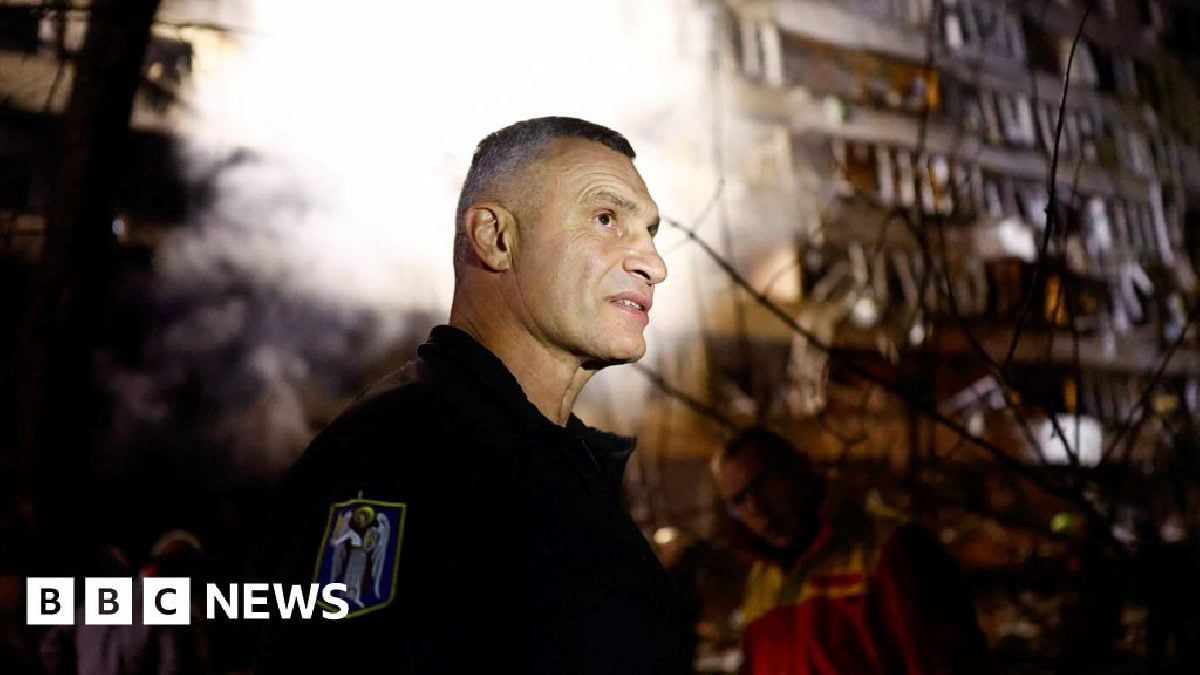
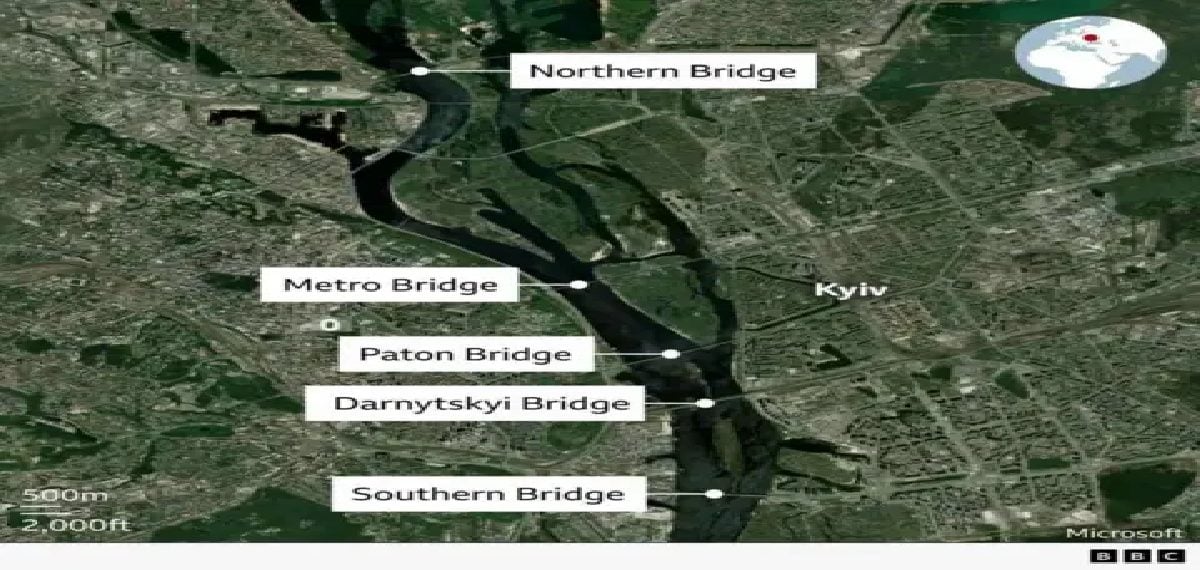
Russian ballistic missiles struck Kyiv’s Northern and Southern bridges over the Dnipro River overnight, Kyiv Mayor Vitali Klitschko said, causing disruption to the city’s water and power supplies and damage to critical infrastructure systems.
Explosions were heard in Kyiv just before midnight, and municipal officials reported that some above-ground subway services were damaged after civilians were directed to civil defence shelters and residents sheltered in underground stations.
Eight major bridges span the Dnipro River and connect the western and eastern parts of Kyiv, serving an estimated three million residents who rely on them to travel across the city. Several bridges had been targeted previously in October by Russian drone strikes.
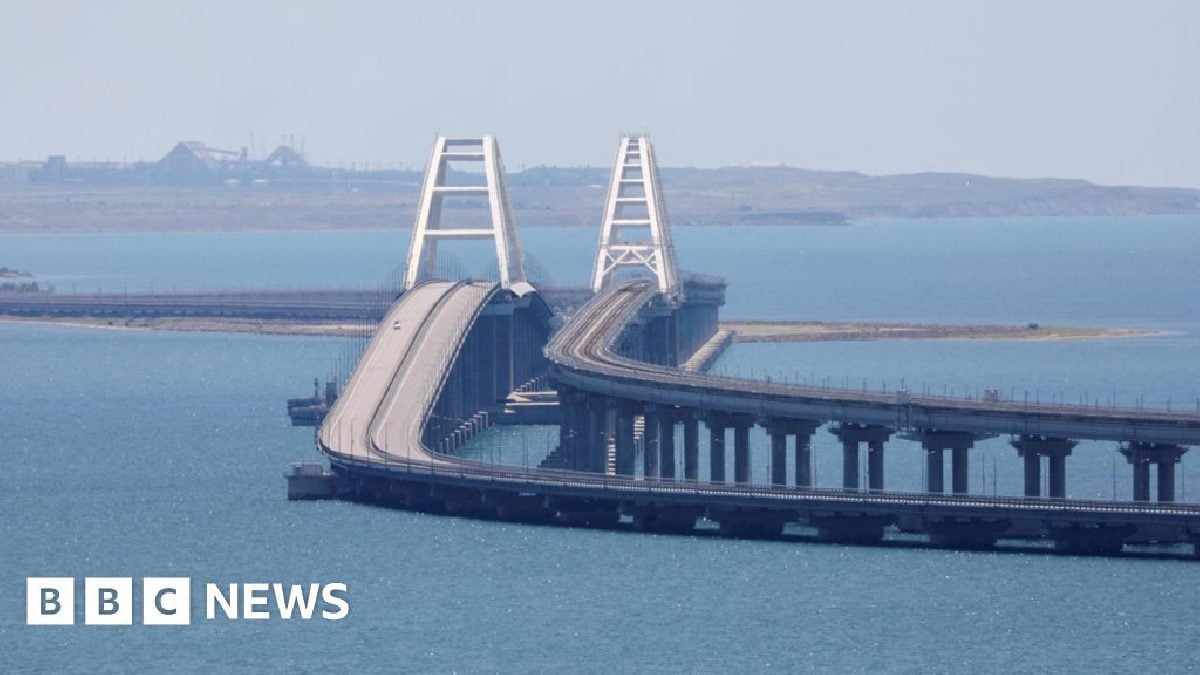
Elsewhere, the Kerch Bridge linking Russia to occupied Crimea was struck again overnight, the Moscow-installed governor Sergei Aksyonov said, with traffic across the bridge suspended. The landmark bridge has been repeatedly targeted by Ukrainian forces since its inauguration in 2018.
Local officials reported three people injured in a Russian missile attack in the Cherkasy region. Russian officials claimed to have intercepted and destroyed 2,049 drones and four Flamingo long-distance missiles over 24 hours, with around 600 reportedly flying towards the capital according to Moscow Mayor Sergey Sobyanin.
Following talks between US, Ukrainian and European officials aimed at facilitating direct engagement between Russia and Europe, US envoy Jared Kushner said the US was committed to providing Ukraine with strong security guarantees and a path towards EU membership, and that NATO would remain a critical pillar of European security.
President Volodymyr Zelensky described the recent meeting as difficult and said more support was needed to defend Ukraine against Russian ballistic missile strikes, adding that Europe was represented by the full delegation that will participate in negotiations with Moscow and that Moscow is receiving dozens of missiles per month from North Korea.
Ukrainian officials confirmed the final death toll from a Russian attack on the southern village of Kamyshuvakha earlier this month had reached 72, with four people still missing. Footage showed residents moving to an underground shelter after an initial attack on 2 November before a subsequent blast hit the shelter.
The simultaneous strikes on multiple Kyiv bridges and on the Kerch Bridge signal an intensification of infrastructure-targeted attacks that disrupt civilian mobility and essential services, complicating daily life for millions and increasing strain on urban resilience. Damage to above-ground subway lines and interruptions to water and heating services heighten civilian vulnerability during air raid alerts, while repeated attacks on strategic crossings underscore the symbolic and logistical significance of bridges in the conflict.
The reported interception of large numbers of drones and missiles indicates high-intensity exchanges across multiple fronts, and the suspension of traffic on the Kerch Bridge further illustrates the tactical impact of strikes on transport links. Diplomatic efforts involving US, Ukrainian and European officials continue amid these escalations, with stated commitments to security guarantees and negotiations reflecting ongoing attempts to manage the conflict’s broader political and security dimensions.