24 Kasım 2026
parçalı bulutlu


Major Delta software fault strands over 1,000 flights before Thanksgiving; airline works to restore systems and minimize passenger disruption.
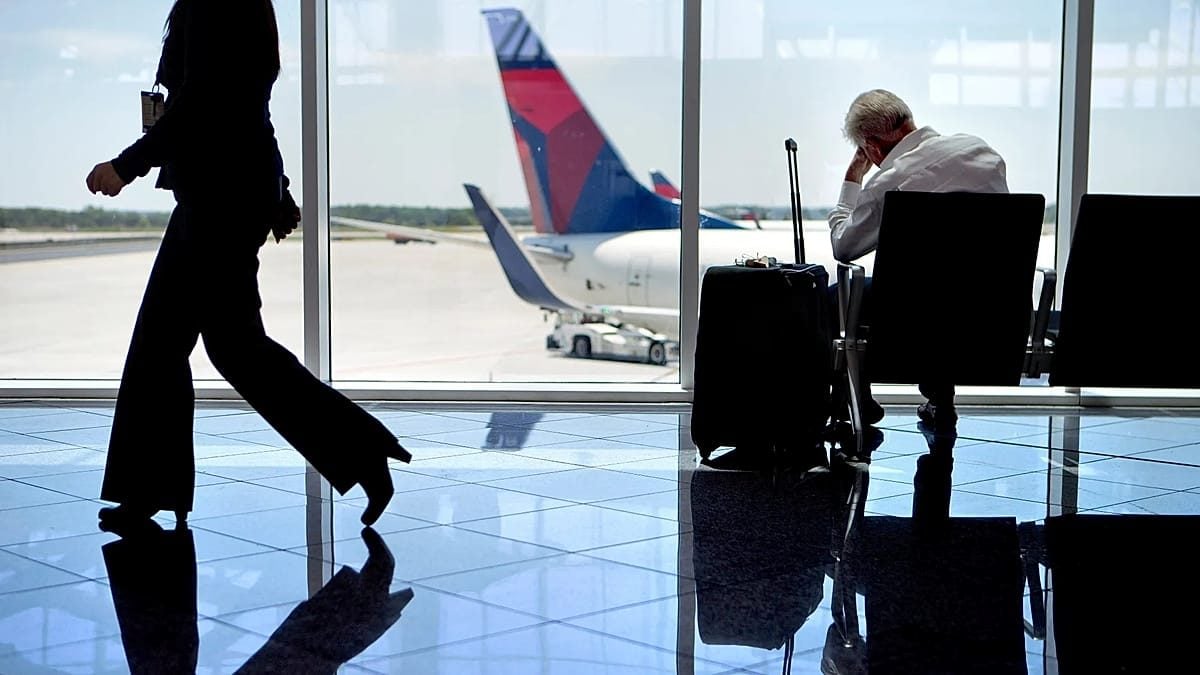
Delta Air Lines experienced a software fault at its Atlanta base that left more than 1,000 flights running late as staff reverted to manual weight and balance checks just days before the Thanksgiving rush.
The fault affected the tool Delta uses to ensure each aircraft is loaded within safe weight limits. Engineers worked on a fix while ground crews used manual procedures to dispatch planes, and the tool was later reported back online although the schedule remained disrupted.
The Federal Aviation Administration briefly held some flights destined for Hartsfield-Jackson airport for roughly an hour. FlightAware data from Sunday evening showed about 2,000 Delta flights, or 58% of its schedule, running late, with around 58% of departures and half of arrivals at Atlanta delayed and about 3% of the airline’s flights cancelled.
Delta attributed roughly 70% of the delays and cancellations logged by FlightAware to the software fault and cited bad weather for the remainder. The airline apologised to travelers, rebooked affected passengers, arranged food and hotels where required, and offered refunds on cancelled services.
Jay Clayton, the director of national intelligence, cautioned that Americans should brace for more technology breakdowns as many systems are undergoing major upgrades, saying investigators have seen no indication of a coordinated cyberattack or foreign state involvement and that failures have been linked to organisations rolling out security patches and software updates.
The incident followed other recent infrastructure faults in November, including a Federal Aviation Administration network fault that halted departures nationwide for more than four hours and a separate United Airlines system outage, while similar glitches recently affected Microsoft email services, major banks and the National Security Agency’s network.
The recurrence of major software and network faults across airlines and national infrastructure highlights operational vulnerability during wide scale system upgrades and patch rollouts. The Delta incident demonstrates how reliance on automated safety tools requires robust contingency planning and rapid manual procedures to maintain operations when technical issues arise. Public confidence in transportation and critical services can be affected when multiple, high-profile outages occur in quick succession.