27 Kasım 2026
açık


It is being reported that Japan will become the world’s sixth-largest economy in 2027.
Most people interpret this as Japan’s economy shrinking.
Japan is not shrinking; it is paying the price for a promise it made to its ally, the United States, 41 years ago.
Meanwhile, the United States is preparing a new tariff on Japanese goods this week.
Let me show you what that promise was and why these tariffs are being considered.
In the 1980s, Japanese automobile, television and chip companies were rapidly expanding in the US market. Because the yen was cheap, they could sell their products at lower prices.
As American companies struggled to compete, Congress wanted to impose restrictions on Japanese goods.
In 1985, Japan made a promise to its ally and agreed to let the yen appreciate.
Japan expected the yen to appreciate by 20%, but within less than three years, the yen had doubled in value.
Japanese companies lost their price advantage in the US market. They would either have to raise prices and lose customers or sacrifice their profit margins.
As the yen appreciated, Japan cut interest rates to protect its companies. But the real cost came after that decision.
People and businesses borrowed money cheaply and invested in stocks and land. Prices soared.
When the Bank of Japan raised interest rates to stop the surge, stock and property prices collapsed, and the economy slowed down.
Japan cut interest rates again and kept them near zero for 30 years.
As other countries raised interest rates, the yen lost value and hit its lowest level in 40 years this summer. Today, one US dollar is worth approximately 160 yen.
A country can fall in global economic rankings without its economy actually shrinking, because these rankings are calculated in US dollars.
Japan’s economy has reached record levels in yen terms, but because the yen has weakened, it appears smaller when measured in dollars.
Imagine you have 160 yen. In 2012, you could exchange that amount for 2 dollars. Today, you can only get 1 dollar.
If the yen were at its 2012 value, Japan would be the world’s third-largest economy today.
Toyota has also been the world’s best-selling automaker for six consecutive years.
The stated justification for this week’s tariffs is Japan’s excess production in automobiles, steel and semiconductors.
In my opinion, the real reason is the weak yen. When the yen is cheap, Japanese companies regain a competitive pricing advantage in the US market.
Forty-one years ago, the response to this situation was to strengthen the yen. Today, the response is tariffs.
The US is preparing these tariffs against the foreign country that lends it the most money. Japanese companies also employ more than one million people in the United States.
So, what happens in the markets if the yen strengthens again today?
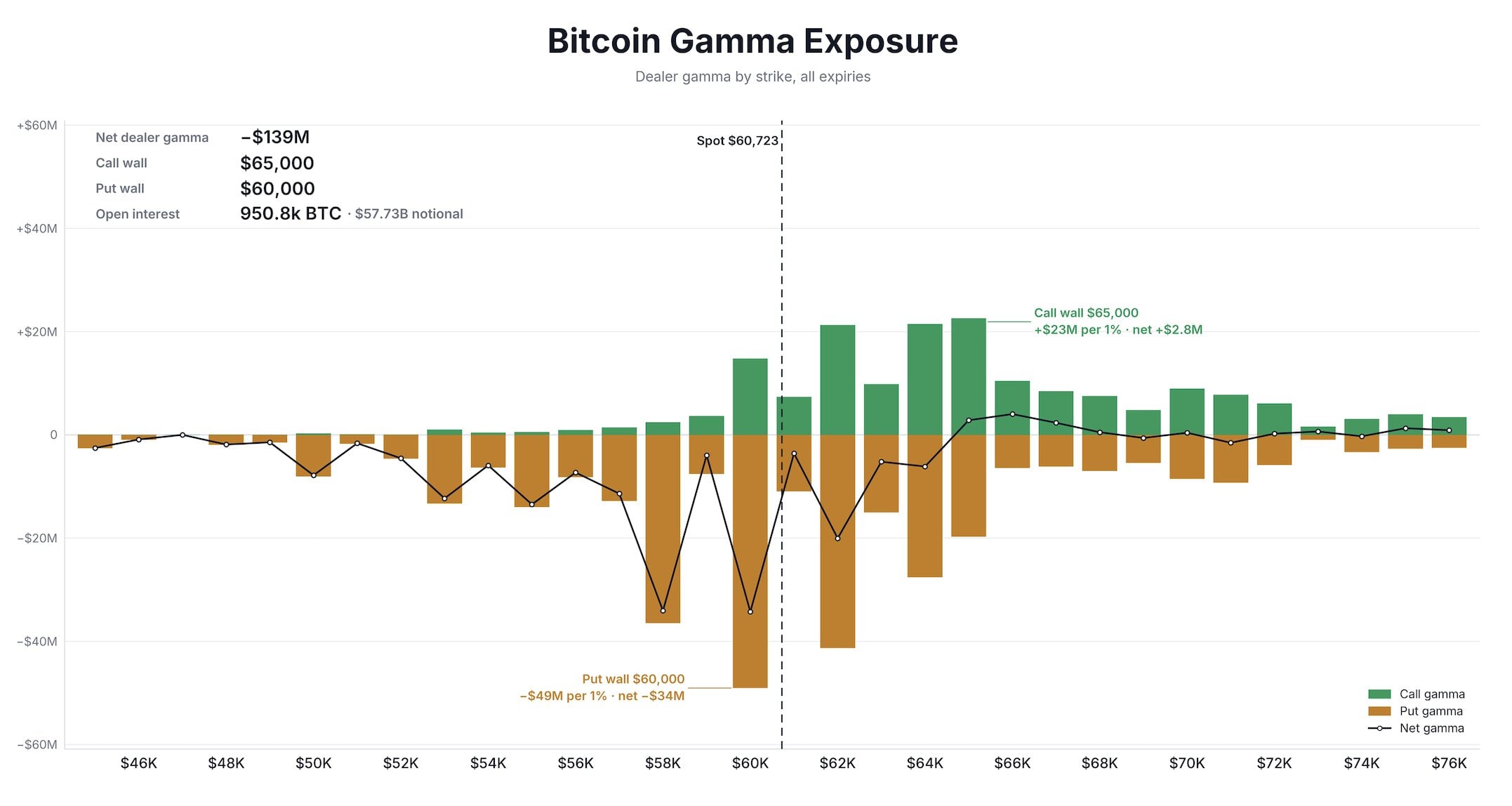
Investors borrowed yen from Japan at interest rates close to zero and used that money to buy stocks, bonds and Bitcoin.
As long as the yen remains cheap, they profit from this strategy.
Today, the Japanese yen is present in almost every market.
If the yen appreciates rapidly, borrowing costs rise. Investors may then be forced to sell their stocks and Bitcoin to repay their debts.
In 2024, the yen appreciated rapidly over just a few weeks.
The Japanese stock market plunged 12% in a single day, while Bitcoin lost approximately 15% of its value within a few hours.
Japan is gradually raising interest rates. Its next interest rate decision is scheduled for December 18.
If the yen appreciates gradually, investors can repay their debts over time, and Japan may climb back up the global economic rankings.
Economic rankings measure a country’s currency, not the promises it has made.
In his 1899 book, Japanese writer Inazo Nitobe described the samurai as follows:
A samurai’s word was sufficient assurance, and promises were often kept without the need for a written document.
This is my personal analysis.
I am following developments closely. I will keep you informed.
Kaynak: Penguin X @ThePenguinBTC