20 Kasım 2026
parçalı bulutlu


Institutions return to buying U.S. spot Bitcoin funds in Q3, led by wealth platforms driving renewed demand and market momentum.
Institutional investors returned to net purchases of U.S. spot bitcoin funds during the third quarter, reversing a nine-month run of net selling. Between July and September these institutions acquired fund shares representing 49,229 bitcoin (BTC), a quantity worth about $4.11 billion at Sept. 30 prices, according to a Galaxy Research report.
The quarter’s inflows were the largest since Q2 2025 and more than offset the 47,054 BTC that institutions had sold, net, over the preceding three quarters. Galaxy converted reported fund-share holdings on Form 13F into underlying bitcoin amounts so that price moves in BTC would not distort the ownership tally.
As of Sept. 30, 13F filers reported owning a record 356,491 BTC in these exchange-traded spot bitcoin funds, valued at $29.78 billion. Roughly half of the quarter’s buying came from firms that invest on behalf of high-net-worth clients and advisers—groups Galaxy labels as wealth platforms. That channel now controls 40.5% of all institution-reported bitcoin fund shares, the highest share since the funds launched.
Wealth platforms led the quarter’s inflows. The category added a record 24,838 BTC during Q3. This collection of buyers ranges from small independent advisory firms to large broker-dealers—often called wirehouses—which operate broad financial-advisor networks.
Wells Fargo was especially prominent in the filings: its reported position increased by 14,636 BTC to 30,553 BTC, nearly doubling from 15,931 at the end of June. Galaxy notes that about 85% of Wells Fargo’s position is held in its advisory and brokerage channels, implying the bulk of that exposure represents client assets rather than proprietary bank bets.
By contrast, other banks showed different patterns. Bank of America reported adding 7,201 BTC, but roughly 90% of that sits within its dealer and trading desks—an allocation Galaxy interprets as dealer positioning rather than retail or advisor-driven client demand.
Hedge funds also appeared among buyers. For example, Brevan Howard increased its holdings by 8,606 BTC and Millennium Management added 7,114 BTC. However, Form 13F only discloses long positions in listed securities; it does not show short exposure or many derivatives. As a result, a hedge fund’s long shareholdings can coexist with offsetting short positions in futures or swaps.
One common strategy is the basis trade: a fund buys spot fund shares while selling bitcoin futures to capture the spread. In filings such a position looks like a long allocation to spot, yet the manager might hold little or no net directional bitcoin exposure.
A relatively small set of managers accounted for most of the quarter’s purchases: the 50 largest holders added 59,578 BTC, while the remainder of managers were net sellers by 10,349 BTC. Galaxy expects the wealth-advisor channel to continue expanding because these accounts generally follow longer-term target allocations, buying on dips and trimming on rallies, which can reduce volatility and moderate downturns.
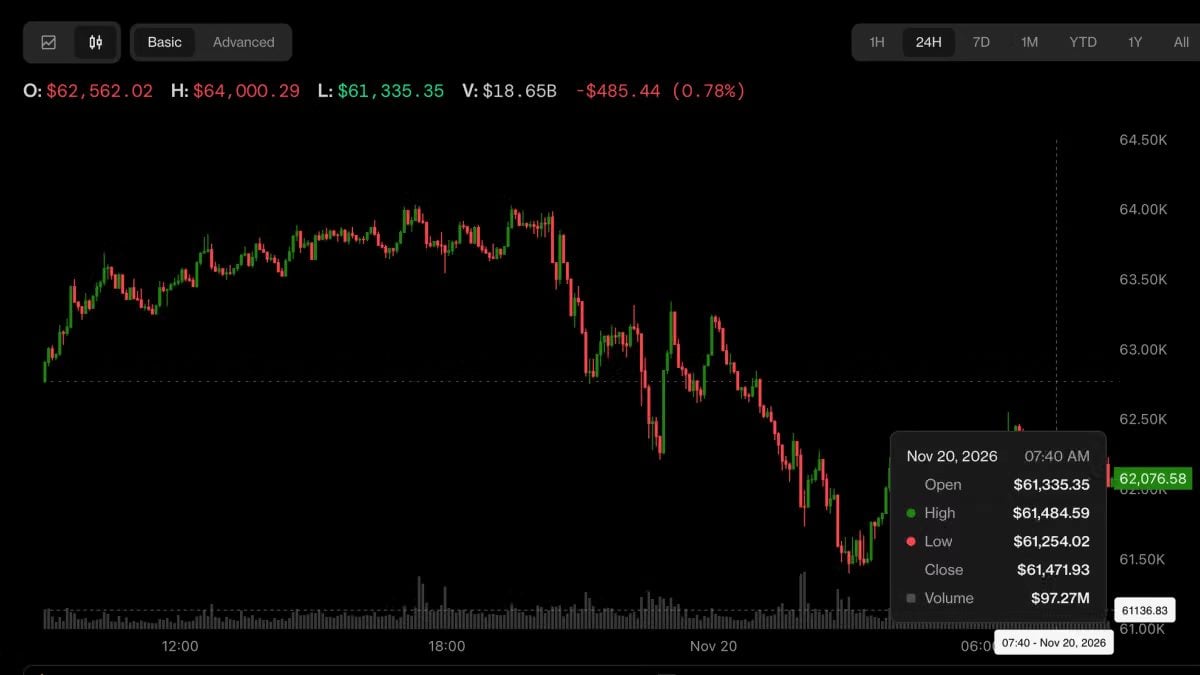
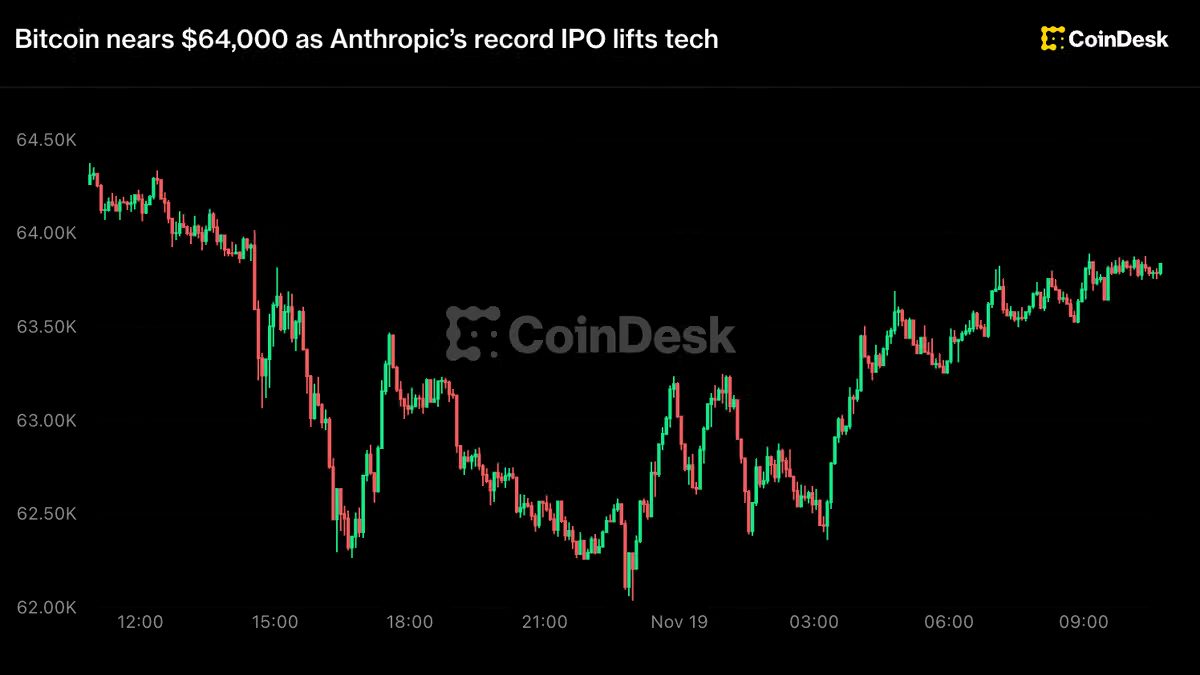
Short-term movements since the reporting date: the 13F snapshots reflect positions as of Sept. 30. By Nov. 16 the funds had 38,531 fewer bitcoin and bitcoin’s USD price had fallen to $64,943 from $83,580, per Galaxy. The next set of 13F filings, due in February, will reveal how institutional holders adjusted through that decline.