17 Eylül 2026
parçalı az bulutlu


Houthi missiles struck Abha in retaliation after Saudi airstrikes hit Sanaa airport, escalating tensions and regional security concerns.
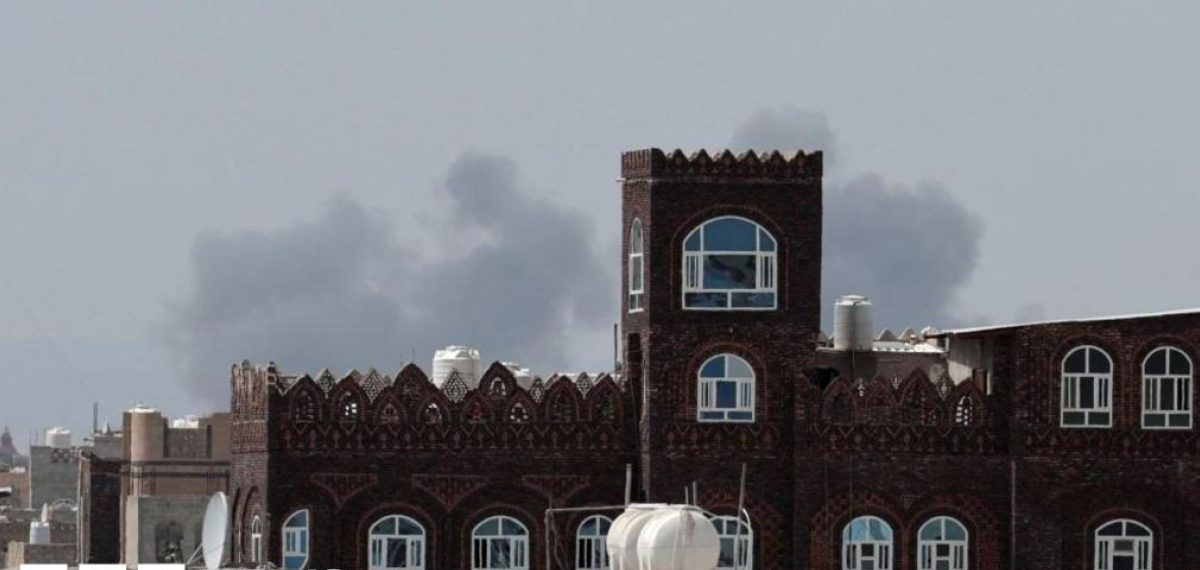
The Houthis said they launched ballistic missiles and drones at Abha International Airport on Monday after Saudi-led air strikes struck the runway of Sanaa International Airport, an attack the Houthis linked to attempts to prevent an Iranian plane from landing. Saudi coalition spokespeople reported that air defences intercepted the incoming threats and no casualties were reported.
Footage circulating on social media showed smoke rising over Sanaa after the strikes. The Houthis’ al-Masirah TV said the airport’s departure and landing runways were targeted, while the internationally recognised Yemeni government said its forces carried out the strikes amid a dispute over an Iranian plane carrying a Houthi delegation returning from Iran.
The Yemeni defence ministry said the runway was targeted because the Houthi militias had blocked Yemeni national aircraft from landing while allowing the Iranian plane to land, forcing the Iranian aircraft to divert and later touch down in Hudaydah, roughly 150km south-west of Sanaa, the Houthis said.
Yahya Saree, a Houthi military spokesperson, accused Saudi Arabia of initiating the Sanaa strikes and warned that the group would respond. Saudi-led coalition statements on social media said air defences had dealt with ballistic missile threats toward the southern region.
At an emergency UN Security Council meeting, Assistant Secretary-General Khaled Khiari warned against renewed escalation and urged negotiations under UN auspices. The UK condemned the Houthi attacks on Saudi Arabia, while Iran denounced the attack on Sanaa’s airport as a clear violation of international law.
The renewed exchanges underscore how fragile the informal truce that has largely held for four years remains. A localized incident — a dispute over a single aircraft — rapidly triggered cross-border strikes and retaliatory missile launches, illustrating low thresholds for escalation and the continued strategic influence of regional actors.
For markets and humanitarian efforts, any uptick in hostilities risks disrupting shipping and aid corridors, raising insurance costs and complicating already strained relief operations for more than 22 million Yemenis in need. Diplomatically, the incident highlights the limits of de facto controls over airspace and the need for clearer, enforceable protocols to avoid similar flashpoints.