
24 Eylül 2026
açık


Deadly neonatal ward blaze in Islamabad kills 14 amid safety lapses; calls grow for urgent hospital reforms and accountability.
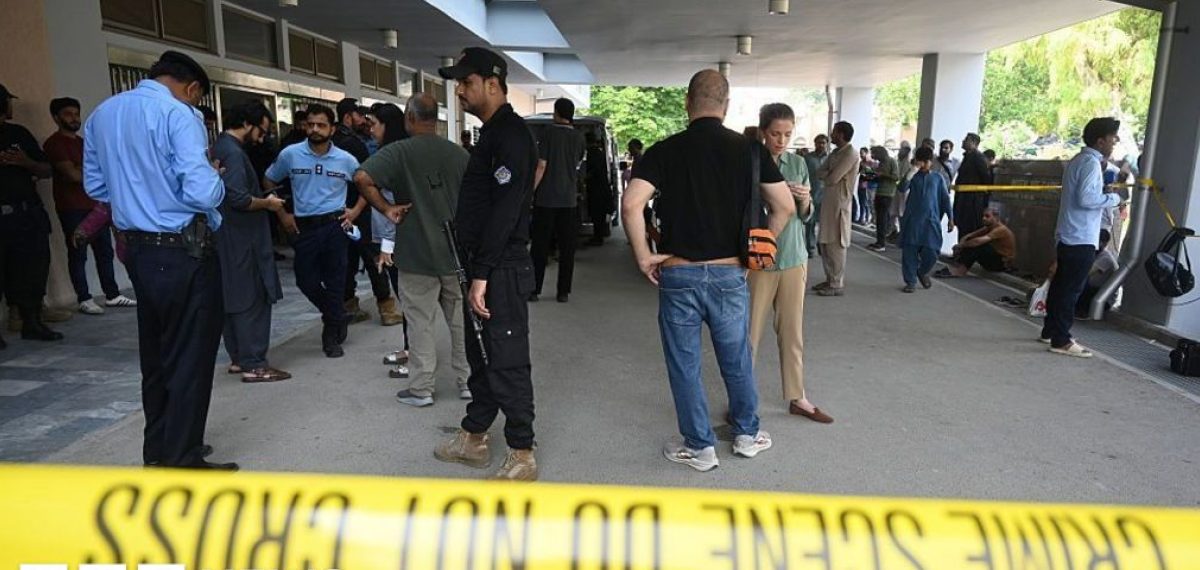
An official inquiry found that a blaze in the neonatal unit of the Pakistan Institute of Medical Sciences (PIMS) in Islamabad on 26 August killed 14 newborns, with investigators identifying a lack of smoke detectors, alarms and sprinklers and reporting that escape routes were locked or obstructed.
The committee, led by a retired senior civil servant, concluded the most probable origin was an electrical spark from an overheating supply cable in an air conditioning unit. CCTV footage and witness accounts show the fire spread rapidly through plastics, equipment and bins, producing dense smoke that engulfed the ward within a minute.
According to the report, the first sign of trouble on 26 August was recorded at 06:38 when a nurse ran from the ward to fetch help and returned within 20 seconds with a security guard; another nurse then emerged carrying one baby, the only survivor. Emergency services were not notified until 06:54 and arrived at 07:01.
Investigators documented multiple safety shortcomings: no functioning smoke detection, fire alarms or sprinkler system; absence of staff training and evacuation drills for medically fragile newborns; and lack of procedures to isolate oxygen supplies. The report notes air conditioning units had maintenance but not formal safety checks and that recommended replacements approved in 2018 had not been completed.
Witnesses and rescue personnel described locked doors that hindered entry. One firefighter said rescuers had to break windows and still found doors inside the building locked or obstructed. Hospital management had earlier said ward access was guarded, citing past abduction incidents, but the inquiry stressed that security restrictions must not render emergency routes inaccessible.
The hospital had received prior warnings after a recent fire at its nursing hostel that highlighted deficiencies in smoke detection and alarm systems. The investigative committee attributed the incident to “systemic and institutional failure” and held the hospital and senior management primarily responsible for not converting known risks and prior warnings into an effective safety system.
The inquiry links the rapid escalation and deadly outcome to an electrical fault likely in an air conditioning unit and to institutional shortcomings: absence of active fire detection and suppression systems, delayed notification of emergency services, lack of evacuation training for staff, and restricted access routes that impeded rescue efforts. The report records that maintenance did not equate to safety certification and that equipment replacements approved years earlier remained unimplemented.