12 Eylül 2026
açık


Flooding along the Guadalupe River kills at least one as emergency teams continue rescues across central Texas, authorities urge caution and updates.
Heavy rains have driven the Guadalupe River to record levels in central Texas, killing at least one person and prompting ongoing evacuations and rescue operations, Texas Governor Greg Abbott said on Thursday. The National Weather Service in San Antonio warned that “catastrophic flooding is occurring” and urged residents to move to higher ground.
The river surged rapidly; regional reports say the Guadalupe rose about 32 feet in a four-hour span. Officials said roughly 80 rescues have been conducted so far, and the person confirmed dead was not a camper. Multiple counties, including Uvalde, Kerr and Kendall, have been affected by the flooding.
Authorities issued early-morning evacuation notices as rainfall continued through the day. Emergency teams and local agencies remain active in search-and-rescue efforts, and the National Weather Service has been providing near-constant alerts about rising water levels and the imminent threat to life and property.
Last summer the same reach of the Guadalupe produced a devastating flash flood that killed more than 130 people, including 25 children and two counselors at Camp Mystic near Kerrville. Camp Mystic reported the river rose 26 feet in about 45 minutes during that event; the camp did not reopen this year and later filed for bankruptcy.
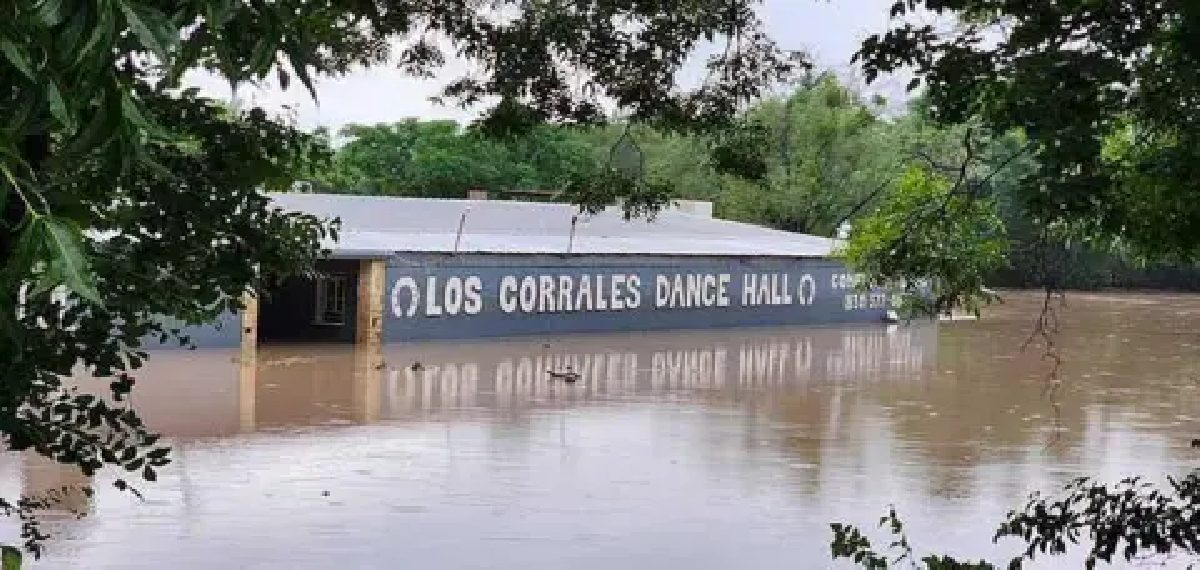
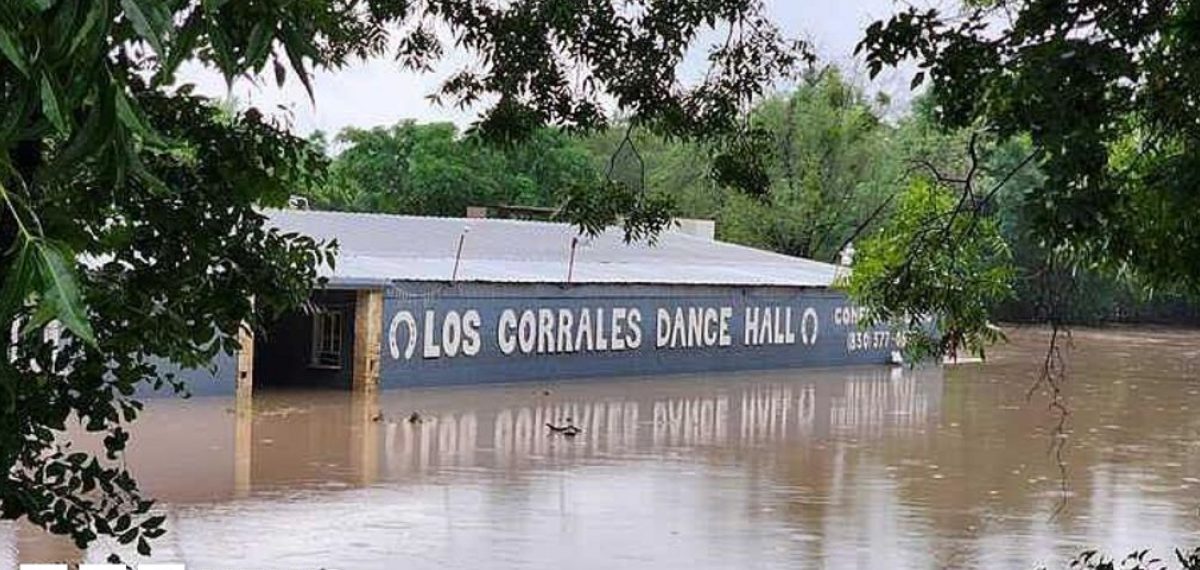
Local landmarks and businesses were inundated as floodwaters advanced; images and eyewitness accounts describe submerged roads and buildings, including the Rodeo Los Corrales Dance Hall in Comfort, Texas. County authorities are coordinating shelter and relief efforts as they assess damage and ongoing risks.
The recurrence of severe flooding along the Guadalupe River highlights persistent vulnerability in low-lying communities and camp sites near fast-rising waterways. Short-term, the focus is on search, rescue and shelter; medium-term, communities will face rebuilding costs, insurance claims and potential scrutiny of flood mitigation and emergency planning.
For residents and regional planners, the flood underscores the need to reassess camp locations, evacuation routes and early-warning systems. Repeated extremes strain local emergency services and can accelerate policy discussions on land use, infrastructure investment and community preparedness.