02 Eylül 2026
açık


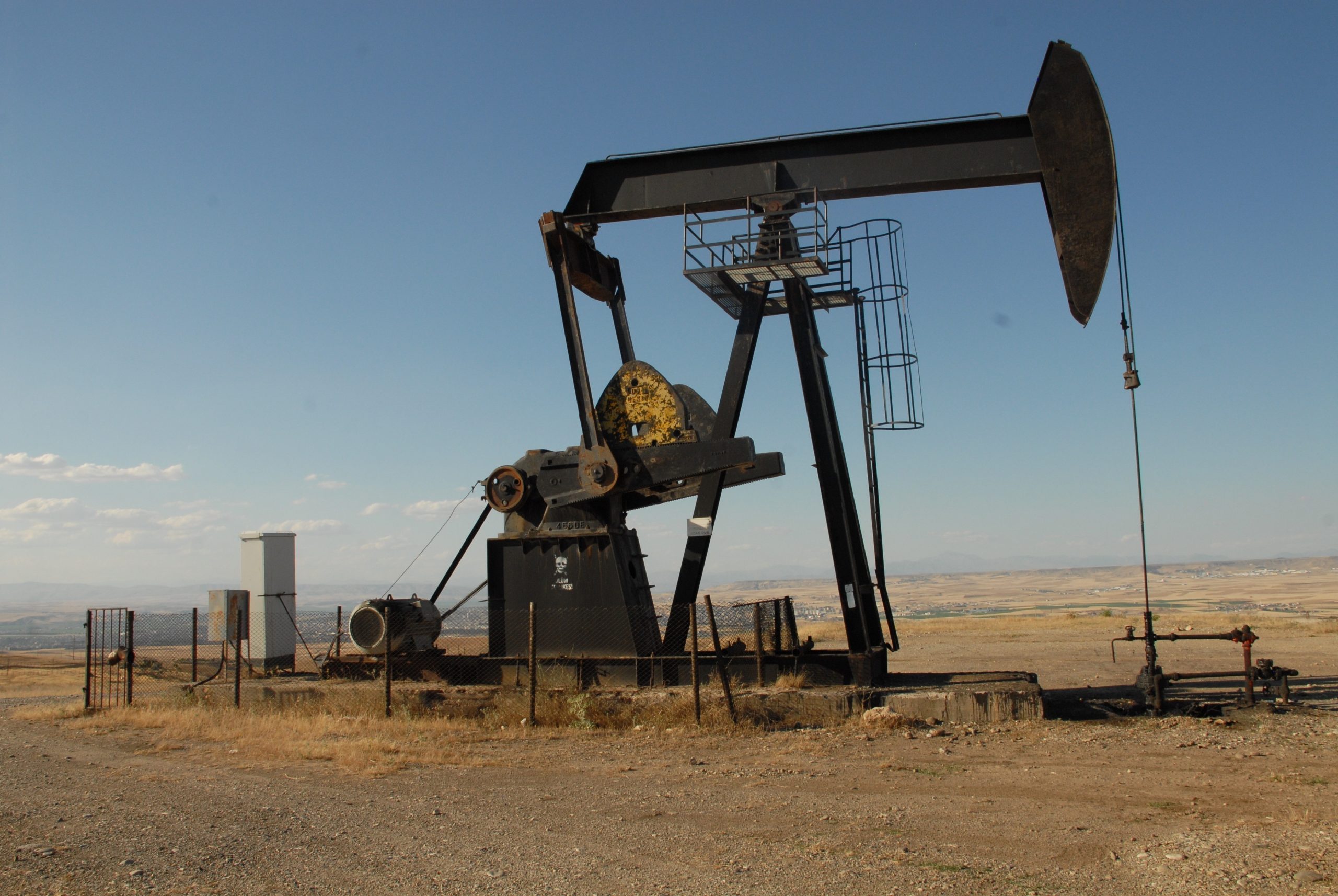
Global oil markets are facing heightened volatility as geopolitical tensions, supply risks and shifts in global demand continue to shape price movements. Brent crude has climbed into the $90-$95 range, while U.S. West Texas Intermediate (WTI) crude is approaching the $90 level.
The latest surge in oil prices is being driven primarily by rising geopolitical risks and concerns over the security of global energy supplies. Developments in the Middle East, particularly growing concerns surrounding the Strait of Hormuz, remain a key focus for energy markets.
The Strait of Hormuz is one of the world’s most important energy corridors. Any disruption to tanker traffic through the waterway could trigger fears of a major supply shock and push crude prices significantly higher.
The escalating military tensions between the United States and Iran are therefore being closely monitored by investors. Any attacks on energy infrastructure, export terminals or refineries could further tighten global supply conditions.
Disruptions to regional oil exports and refinery operations are another major upside risk. Even temporary interruptions at key production or transportation facilities could increase the risk premium embedded in crude prices.
Strategic petroleum reserves are also drawing attention. The use of emergency reserves by major economies, particularly the United States, has reduced the available supply buffer. Lower inventories could leave markets more vulnerable to a new disruption.
Higher oil prices could also create broader economic consequences. Rising energy costs can feed into transportation, manufacturing and logistics expenses, potentially increasing inflationary pressures across major economies.
However, several factors could push crude prices lower. One of the most important is the production policy of OPEC+. If planned increases in output reach global markets as expected, additional supply could ease pressure on crude prices.
Alternative export routes could also reduce the impact of potential disruptions around the Strait of Hormuz. Saudi Arabia and the United Arab Emirates have infrastructure capable of moving part of their oil exports through routes that bypass the strategic waterway.
On the demand side, China’s economic performance remains critical. A slowdown in industrial activity or refinery processing rates in the world’s largest crude oil importer could weaken global demand and put downward pressure on prices.
Growing production outside OPEC is another factor limiting the potential supply deficit. Higher output from the United States, Brazil and Guyana could help offset disruptions in other producing regions.
The direction of oil prices in the coming weeks will largely depend on geopolitical developments. A reduction in military tensions, renewed diplomatic engagement and improved security around the Strait of Hormuz could remove part of the market’s geopolitical risk premium.
Under such a scenario, Brent crude could potentially retreat toward the $70-$75 range.
However, a much more severe outcome could emerge if the Strait of Hormuz were completely closed or major oil production facilities suffered significant damage. Such a scenario could push Brent crude above $100 per barrel.
| Scenario | Potential Trigger | Brent Price Range |
|---|---|---|
| Downside / Relief | Safer shipping through Hormuz, diplomatic progress and higher OPEC+ output | $70-$75 |
| Current / High Volatility | Continued conflict and restrictions on tanker traffic | $90-$95 |
| Severe Upside | Full closure of Hormuz or major damage to production facilities | Above $100 |
For now, geopolitical headlines remain the dominant driver of short-term oil prices. Investors will be closely watching developments around the Strait of Hormuz, OPEC+ production decisions, global inventories and China’s demand outlook.
Editor’s Note:
The price ranges outlined above are scenario-based estimates rather than firm price targets. Actual crude prices may differ significantly depending on geopolitical developments, supply disruptions, production decisions and changes in global demand.